
Plants
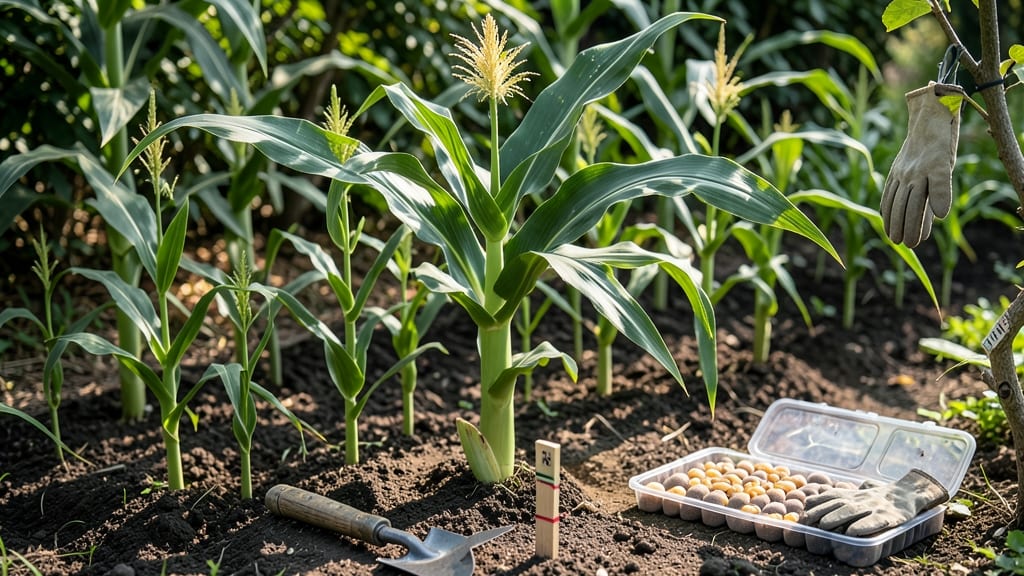
Timing your 🌽 corn planting in Vermont isn’t just about following a calendar—it’s about dodging late frosts that can turn your hard work into a sad, wilted memory.
With Vermont’s Zone 5b climate, getting those seeds in the ground too early or too late can mean the difference between a golden harvest and a disappointing flop.
Most gardeners here know the struggle: you wait patiently for that last frost warning, only to have Mother Nature throw a curveball with a surprise chill.
That’s why nailing the mid-April to mid-May window is critical—soil needs to warm up to at least 55°F, and those tender seedlings won’t survive if nighttime temps dip below freezing.
But here’s the good news: with the right variety and a few smart tricks, you can stretch Vermont’s short growing season to get the most out of your corn.
I’ll walk you through the exact dates, frost-risk factors, and even which cold-hardy varieties thrive here so you can confidently plant and reap a bountiful harvest.
Let’s break down the science—and the secrets—so you can skip the guesswork and start planting with precision. Your future summer barbecues will thank you!
Vermont corn planting deadlines by Zone 5-6: exact dates and frost risk analysis
Vermont’s Zone 5-6 climate demands precise timing for planting corn (🌽)—a crop that thrives on warmth but struggles with late frosts. The optimal window spans mid-April to mid-May, aligning with soil temperatures of 55°F+ and the average last frost date of April 15.
However, Vermont’s microclimates (e.g., Chittenden County’s cooler valleys vs. Windham County’s warmer slopes) can shift this by 1-2 weeks.
Northern Vermont gardeners should wait until late April to avoid frost damage, while southern regions can start as early as mid-April. The 165 frost-free days in Vermont’s growing season mean corn planted after May 15 risks stunted ears or poor maturation before the first frost in mid-October.
For sweet corn varieties, like ‘Ambrosia’ or ‘Silver Queen,’ this timing is critical to ensure peak sweetness.
Soil temperature is your best indicator—corn seeds won’t germinate below 60°F. Use a soil thermometer to confirm readiness, especially in cooler microclimates. Vermont’s short growing season also means prioritizing early-maturing varieties (60–70 days to harvest) over standard types, which may not fully develop.
Here’s a quick reference for Vermont’s corn planting deadlines by region, including frost risk and soil prep timelines:
| Region | Last Frost Date | Optimal Planting Window | Soil Temp Threshold | Frost Risk |
|---|---|---|---|---|
| Northern VT (e.g., Burlington) | April 22 | May 1–15 | 60°F+ | High (late frosts common) |
| Central VT (e.g., Montpelier) | April 15 | April 25–May 10 | 55°F+ | Moderate |
| Southern VT (e.g., Bennington) | April 5 | April 15–May 1 | 50°F+ (with row covers) | Low |
If you’re in Zone 5b, like most of Vermont, aim for May 1 as your cutoff date for direct sowing.
For transplants (less common for corn), start seeds indoors 6-8 weeks before the last frost, but harden them off carefully to avoid transplant shock in Vermont’s cool, damp springs.
Choose dwarf varieties like ‘Golden Bantam’ if your season is particularly short—they mature in 60 days and tolerate cooler temps better.
Vermont’s unpredictable weather means monitoring local forecasts and having row covers ready to protect seedlings from unexpected late frosts. Even a single night below 32°F can kill young corn plants, so err on the side of planting slightly later if your soil is slow to warm.
Pair this with black plastic mulch to raise soil temps by 5–10°F, accelerating germination.
For successful corn growth, also consider planting in blocks (not rows) to ensure cross-pollination and even maturation. Space plants 8–12 inches apart in rows 30–36 inches wide, and avoid overcrowding, which leads to poor air circulation and fungal diseases like corn smut.
In Vermont’s humid climate, this spacing is non-negotiable.
Finally, keep an eye on the tasseling stage (when pollen sheds) to predict harvest timing. In Vermont, this typically occurs 60–70 days after planting, with ears ready to harvest 20–25 days later.
Use a frost date calculator to map your harvest window—aiming for July–September ensures you beat the first frost.
By following these Vermont-specific deadlines and adjusting for your local microclimate, you’ll maximize your chance of a bountiful corn harvest despite the state’s cool, variable weather. 🌽
How to adjust corn planting timing for Vermont’s unpredictable weather patterns
Vermont’s weather can be as unpredictable as a snowstorm in July, which is why I’ve learned to play it smart with my corn planting. Even if the calendar says it’s safe, a late frost can still sneak in—especially in the northern counties like Chittenden.
The key is flexibility: knowing how to extend your planting window and protect those tender seedlings.
One of my go-to tricks is choosing cold-hardy varieties like ‘Early Sunglow’ or ‘Golden Bantam,’ which can handle cooler soils better than standard sweet corn. These varieties tolerate temperatures down to 50°F for short periods, giving you a buffer if Mother Nature decides to linger with frost.
I’ve also started planting a second batch in late May as a backup—just in case the first round gets nipped.
🌱
🔍 5 Smart Strategies to Extend Vermont’s Corn Growing Season
- 1. Use row covers: Lightweight fabric can raise soil temps by 5-10°F and protect seedlings from late frosts. Remove when plants reach 6 inches tall to avoid overheating.
- 2. Warm your soil: Spread black plastic mulch 2 weeks before planting to absorb heat. This speeds up germination and gives you an earlier start.
- 3. Plant in microclimates: South-facing slopes or near buildings warm up faster. I’ve had success planting near my stone walls, which retain heat.
- 4. Succession plant: Sow seeds every 10-14 days until mid-June for a staggered harvest. This spreads out your risk if early plantings fail.
- 5. Choose early-maturing varieties: Look for 60-70 day varieties like ‘Ambrosia’ or ‘Peaches and Cream’ to ensure harvest before the first frost in October.
Another game-changer for me has been soil warming techniques. I’ve taken to laying down clear plastic sheeting a few weeks before planting to trap heat from the sun. This can raise soil temperatures by 10°F or more, helping those seeds germinate faster.
Just be sure to remove the plastic once the soil is warm enough—you don’t want to bake those roots!
Don’t overlook the power of microclimates either. My garden has a few spots that stay warmer longer, like near the south-facing fence or under the overhang of my shed. These areas can give you an extra 1-2 weeks of growing time.
I’ve even planted a few extra seeds in these spots just in case the main batch gets hit by frost.
Finally, keep an eye on your local frost forecasts. The Vermont Weather Underground station in my area is a lifesaver—I check it daily in May to adjust my planting schedule.
If they predict a hard freeze, I’ll either rush to cover my seedlings or delay planting until the threat passes. It’s all about staying one step ahead of Vermont’s mood swings!
☀️