
Plants
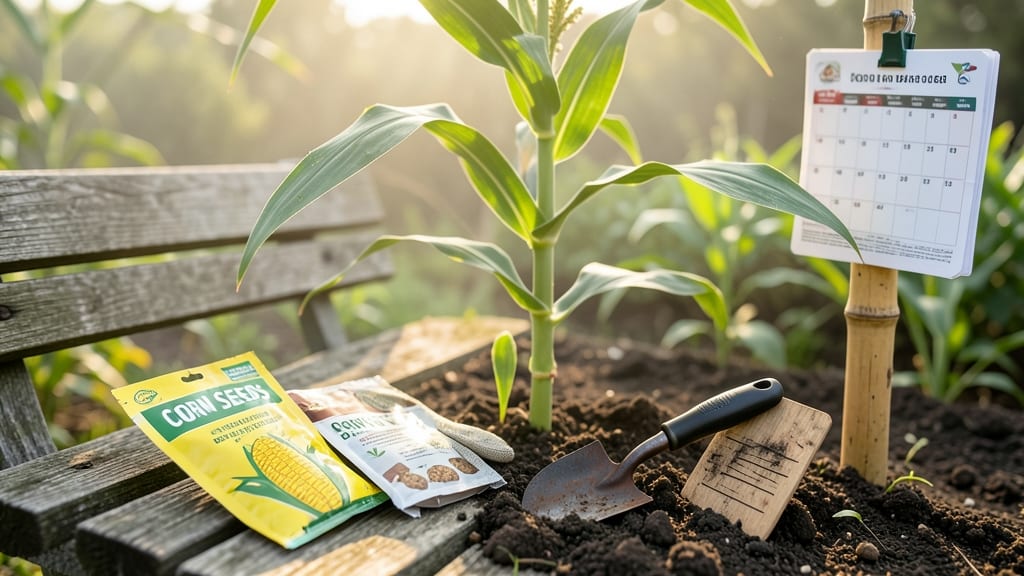
Timing your 🌽 corn planting in Zone 5 isn’t just about the calendar—it’s about catching that sweet spot between frost danger and peak growing conditions.
Plant too early, and a late frost could wipe out your tender seedlings; too late, and you’ll miss the window for sweet, plump ears before summer fades. The key?
Waiting until the soil warms to at least 50°F and the last frost has passed—usually 2-3 weeks after mid-May—but there’s more to it than just dates.
Most gardeners in Zone 5 rush to plant as soon as the ground is workable, but that’s a recipe for disappointment. Corn thrives when nighttime temperatures stay consistently above 60°F, which typically happens after Memorial Day in most of the region.
Even then, northern parts of Zone 5 (like Michigan’s Upper Peninsula) may need to wait another week compared to southern areas (like Kentucky).
Here’s the game-changer: succession planting. By staggering your corn in 2-week intervals, you can extend your harvest from July through September—no more glut of ears all at once. But timing isn’t just about the clock; soil type, moisture, and even your microclimate play a role.
Let’s break down exactly how to nail it, so you’re not left with half-baked ears (literally).
Whether you’re a first-timer or a seasoned grower, these insights will help you avoid the 5 biggest mistakes that sabotage Zone 5 corn crops—from planting too densely to ignoring soil prep. Ready to turn your garden into a cornucopia? Let’s get started.

Zone 5 corn planting timeline: exact weeks after last frost for peak growth
Timing is everything when planting corn in Zone 5. The last frost date isn’t the only factor—soil temperature and regional microclimates play critical roles.
For most of Zone 5, aim to plant 2-3 weeks after your average last frost date, when soil reaches a steady 50°F or warmer. This ensures strong germination and rapid growth before summer heat arrives.
In northern Zone 5 (e.g., Minnesota, Wisconsin), where frosts linger longer, start seeds indoors 4-6 weeks before transplanting around May 10-20. Southern areas (e.g., Ohio, Pennsylvania) can plant directly outdoors April 15-May 1, thanks to earlier frost-free windows.
Always check your local frost calendar—even a 2-week difference can mean the difference between a thriving crop and a failed harvest.
Corn thrives on consistent warmth, so avoid planting if nights dip below 55°F—this slows growth and increases disease risk. Use a soil thermometer to confirm readiness: 50°F+ for 10+ days is ideal.
Pro tip: Plant early-maturing varieties (e.g., Silver Queen, Honey & Pearl) if your season is short to ensure harvest before first frost in October.
| Zone 5 Region | Last Frost Date | Optimal Planting Window | Soil Temp Requirement | Harvest Window |
|---|---|---|---|---|
| Northern Zone 5 (e.g., Duluth, Madison) | Mid-May | May 10–20 (transplant seedlings) | 50°F+ for 10+ days | Late July–Early Sept |
| Central Zone 5 (e.g., Chicago, Cleveland) | Early May | April 25–May 10 (direct sow) | 50°F+ for 7+ days | Mid-July–Mid-Sept |
| Southern Zone 5 (e.g., Pittsburgh, Columbus) | Late April | April 15–May 1 (direct sow) | 50°F+ for 5+ days | Late June–Late Aug |
*Adjust for microclimates—low areas frost later; hills warm faster.
For succession planting, sow second batches every 2 weeks until June 15 to stretch your harvest. This works best with short-season varieties (e.g., Ambrosia, Peaches & Cream) that mature in 60-75 days.
Space your plantings so ears ripen at 2-week intervals, ensuring a continuous supply of fresh corn.
Moon phases also influence success. Plant during the waxing moon (just after the new moon) to boost root development. Avoid the waning moon if possible—this can lead to leggy, weak stalks. Use a moon planting calendar to align your schedule with lunar cycles for stronger yields.
If you’re starting seeds indoors, begin 4-6 weeks before transplanting in biodegradable pots to avoid root disturbance. Harden off seedlings for 7-10 days before moving them outdoors. Transplant on a cool, cloudy day to reduce shock. Water deeply after planting to settle soil around roots and encourage quick establishment.
Watch for late-season heatwaves, which can stress corn plants. If temperatures exceed 90°F for 3+ days, provide shade cloth during peak afternoon hours to prevent ear damage.
Mulch with straw or grass clippings to retain moisture and regulate soil temperature, especially in sandy loam soils that dry out quickly.
Remember: Corn needs space. Plant in blocks (not rows) for better pollination, with 12-18 inches between stalks and 30-36 inches between rows. This ensures cross-pollination and maximizes ear production. Thin seedlings to the strongest 2-3 per hill once they reach 6 inches tall.
By following this Zone 5 corn planting timeline, you’ll avoid the #1 mistake: planting too early and risking frost damage. Start with soil temperature, adjust for your region, and use succession planting to guarantee a bountiful harvest from July through September.
Zone 5 corn planting timeline: exact weeks after last frost for peak growth
In Zone 5, your corn planting window opens when the soil temperature hits a steady 50°F and nighttime lows stay above 55°F. This typically lands 2-3 weeks after your last frost date, which varies by region.
For most of Zone 5, that means late April to mid-May, but northern areas (like northern Wisconsin) may need to wait until early June to avoid frost risk.
Corn is sensitive to cold snaps, so don’t rush—waiting until Memorial Day weekend is a safe bet for southern Zone 5. Northern growers should monitor local forecasts for consistent warmth before planting. Even a single 32°F night can kill seedlings, so patience pays off.
Here’s the exact timeline based on your location within Zone 5:
| Zone 5 Region | Last Frost Date | Optimal Planting Window | Soil Temp Requirement |
|---|---|---|---|
| Southern Zone 5 (e.g., Kentucky, Tennessee) | Mid-April | Late April to early May | 50°F+ (consistent) |
| Central Zone 5 (e.g., Illinois, Indiana) | Early May | Mid-May | 50°F+ (nighttime >55°F) |
| Northern Zone 5 (e.g., Michigan, Wisconsin) | Late May | Early June | 55°F+ (no frost risk) |
For succession planting, sow a second batch 2 weeks later to extend your harvest into September. This works especially well for sweet corn varieties like 'Silver Queen' or 'Peaches and Cream', which mature in 70-80 days.
Pro tip: Use a soil thermometer to confirm temps—corn won’t germinate well below 50°F, even if the air feels warm.
If you’re in a microclimate (like a south-facing slope), you might plant 1-2 weeks earlier than your region’s average. Conversely, low-lying areas with cold air pockets should wait until all risk of frost is gone. Check your local USDA Plant Hardiness Zone Map for precise local data.
Remember: Corn thrives on warm soil and consistent moisture. If your spring is dry, plan to water deeply after planting to encourage strong root growth. Skipping this step can lead to stunted plants and poor ear development—don’t let that happen to your hard work! 🌽