
Plants
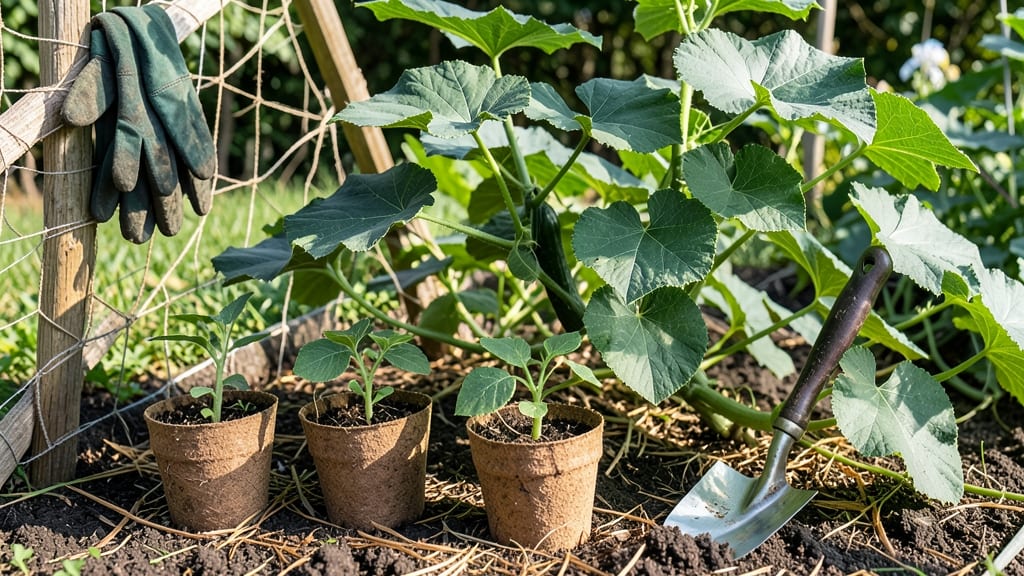
Timing your cucumber planting in Zone 8a can make or break your harvest—get it wrong, and you’ll either watch your vines wilt in the heat or miss the growing season entirely.
The key is planting when soil temperatures hit 60°F and all frost risk has passed, giving your 🥒 vines the perfect head start before summer’s punishing heat arrives.
Spring is your best bet, but don’t overlook fall planting for a second harvest. I’ll break down the exact windows—March-April for spring and August-September for fall—so you can avoid the common mistakes that leave gardeners scratching their heads come July.
Whether you’re a first-time gardener or a seasoned pro, these strategies will help you beat the heat and grow cucumbers that thrive. From choosing heat-resistant varieties to mastering watering schedules, you’ll learn how to turn Zone 8a’s challenges into a bounty of crisp, homegrown 🥒.
Ready to skip the guesswork and plant with confidence? Let’s dive into the science-backed timing that’ll keep your vines happy—and your kitchen stocked—all season long.

Ideal planting windows for cucumbers in Zone 8a’s heat
In Zone 8a, where summers can hit 90°F+ and last for months, timing your cucumber planting is everything. The key is planting when soil temperatures are warm enough to prevent bolting (premature flowering) but not so late that your vines struggle to mature before the first frost.
For most of Zone 8a, this means two main planting windows: early spring and late summer.
For spring planting, aim to sow seeds or transplant seedlings 2-3 weeks after your last frost date. In Zone 8a, this typically falls between mid-March and early April. Cucumbers thrive when soil temperatures reach at least 60°F, which usually aligns with these dates.
If you plant too early, your seeds may rot in cold soil, while planting too late risks vines bolting before they produce fruit.
Here’s the critical threshold: Soil temperature must stay above 60°F for at least 2 weeks before planting. Use a soil thermometer to check—this is non-negotiable for cucumbers. If your soil is cooler, wait or opt for shade cloth to protect young plants until the ground warms up.
🌱 Cucumber Planting Windows in Zone 8a
| Planting Window | Ideal Dates (Zone 8a) | Soil Temp Requirement | Key Considerations |
|---|---|---|---|
| Spring Planting | Mid-March to early April | 60°F+ (consistent) | Avoid frost; use row covers if nights are chilly. |
| Summer Planting | Late July to early August | 70°F+ (for fall harvest) | Succession plant every 2 weeks for extended harvest. |
| Fall Planting | August to early September | 65°F+ (for seed germination) | Harvest before first frost (Nov 15 in Zone 8a). |
💡 Pro Tip: In Zone 8a, late July is your last chance for a fall harvest—plant heat-tolerant varieties like ‘Straight Eight’ for best results.
If you’re direct sowing seeds, plant them ½ inch deep and 1 inch apart in hills spaced 3-4 feet apart. This spacing gives vines room to sprawl and improves air circulation, reducing the risk of powdery mildew, a common issue in Zone 8a’s humidity.
For transplants, harden them off for 5-7 days before moving them outdoors to avoid shock.
For gardeners in microclimates—like coastal areas with cooler summers or inland zones with extreme heat—adjust your timing. Coastal Zone 8a may have cooler soils in spring, delaying planting by 1-2 weeks.
Inland areas might need shade cloth or drip irrigation to protect vines from afternoon heat stress. Always monitor local weather patterns and use a frost calendar for your specific area.
One mistake I see often is planting cucumbers too close to summer’s peak heat. By June, daytime temperatures in Zone 8a can exceed 95°F, causing vines to wilt or flowers to drop.
To avoid this, opt for shade cloth (30-50%) during the hottest months or choose heat-tolerant varieties like ‘Suyo Long’ or ‘Marketmore 76.’
For a continuous harvest, stagger your planting by 2 weeks in both spring and fall. This ensures you always have mature vines producing while others are just getting started.
Pair this with succession planting—sow a new batch every 10-14 days—to keep the harvest going from June through October.
Remember, Zone 8a’s long growing season is your advantage. Unlike cooler zones, you can push cucumbers later into the year for a fall harvest. Just ensure your last planting is 8-10 weeks before your first frost (typically early September in Zone 8a).
With the right timing, you’ll enjoy crisp cucumbers well into autumn.
Finally, keep an eye on soil moisture during planting. Dry soil can delay germination, while soggy soil invites rot. Aim for consistently moist (not waterlogged) soil at planting time.
Mulch with straw or grass clippings to retain moisture and regulate soil temperature—this is especially helpful in Zone 8a’s intense sun.
Ideal planting windows for cucumbers in Zone 8a’s heat
In Zone 8a, cucumbers thrive when planted during two distinct windows: spring and fall. Spring planting starts when soil temperatures hit 60°F, typically around mid-March to early April, while fall planting occurs in late August to early September for a second harvest.
These timings align with Zone 8a’s 245 frost-free days, ensuring your vines mature before summer’s peak heat or early frost.
For spring planting, wait until after the last frost date (February 15) and confirm soil is warm enough. Use a soil thermometer—cucumbers won’t germinate below 60°F. If you’re transplanting seedlings, harden them off for 7-10 days before moving them outdoors.
This gradual adjustment prevents shock and bolting, which is common when vines face sudden heat stress.
Fall planting is your secret weapon for a late harvest. Aim for August-September, giving vines 60-70 days to mature before the first frost (November 15).
Choose heat-tolerant varieties like ‘Straight Eight’ or ‘Marketmore’—these handle Zone 8a’s intense summers better than standard types. Start seeds indoors 4-6 weeks before transplanting to jumpstart growth.
| Planting Window | Soil Temp | Frost Risk | Best Method |
|---|---|---|---|
| Spring (March-April) | 60°F+ | Low (after Feb 15) | Direct sow or transplant hardened seedlings |
| Fall (August-September) | 60°F+ | Moderate (before Nov 15) | Start indoors 4-6 weeks before transplanting |
🌱 Pro Tip: Use black plastic mulch to warm soil faster in spring or retain moisture in fall.
Direct sowing is ideal for spring, but transplanting gives you a 2-week head start. Bury seedlings 1 inch deeper than their containers to encourage root growth—this helps them establish faster in Zone 8a’s intense heat.
Space vines 12-24 inches apart in rows 3-4 feet apart to allow airflow, reducing fungal diseases like powdery mildew that thrive in humidity.
Adjust your timing based on microclimates. South-facing beds warm up faster, while shaded areas may need delayed planting. If your garden runs hotter than average, opt for shade cloth (30-50%) during peak afternoon sun.
This trick extends the growing season by 2-3 weeks in both spring and fall, letting you squeeze in extra harvests.
Missed the spring window? Don’t panic—fall planting still delivers. Just ensure your vines get consistent water (1-1.5 inches weekly) and balanced fertilizer (5-10-10) every 4-6 weeks. With the right timing, you’ll enjoy cucumbers from June through October, beating the heat and maximizing your garden’s potential.