
Plants
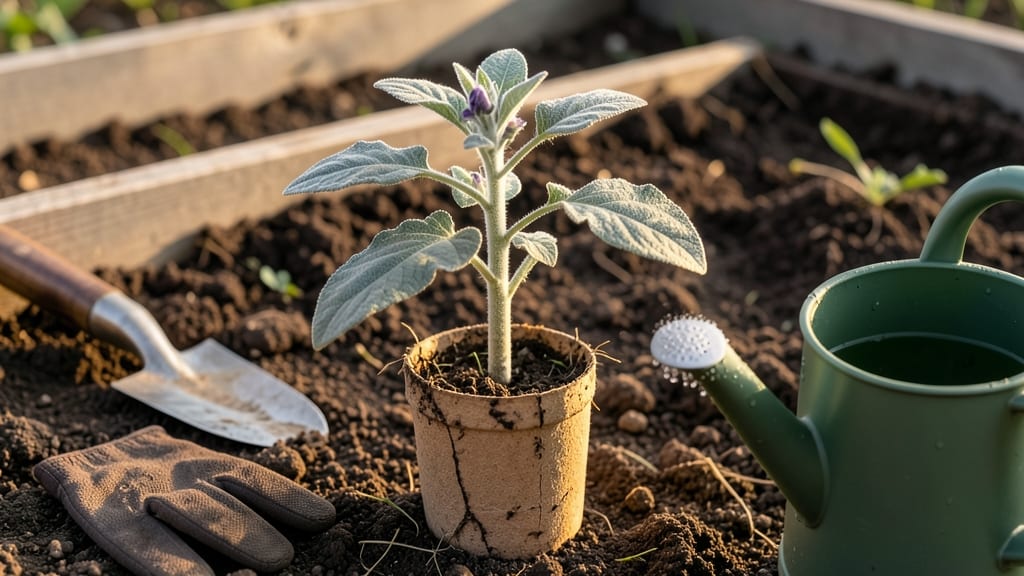
If you’ve ever wondered when to plant eggplant in California, timing is everything—especially when your 🍆 could bolt or wilt before producing a single fruit.
The Golden State’s wild climate swings from coastal chill to inland heat, meaning your planting window might be a 3-month difference depending on where you live.
Let’s cut through the confusion: coastal gardeners in USDA Zones 10a-11 can start as early as February, while inland valleys (Zones 9a-10a) should wait until March or April. The key? Soil temperature—eggplants crave warmth, and rushing them in cool soil is a recipe for failure.
In this guide, I’ll break down the exact month-by-month timing for your region, plus pro tips for container gardening and extending your harvest. Whether you’re in San Francisco or the Central Valley, you’ll learn how to align your planting with nature’s rhythm for a bumper crop.
Ready to grow eggplants that thrive? Let’s dive into the secrets that’ll keep your garden productive from June through October—no matter where in California you’re planting.
Optimal eggplant planting dates by California region (coastal vs inland)
California’s eggplant planting windows shift dramatically between coastal and inland regions. In coastal areas like San Francisco or Los Angeles, you can start as early as February under protection, while inland valleys like Sacramento or the Central Valley wait until March or April when soil warms.
Desert regions like Palm Springs even allow year-round planting with proper irrigation.
The key factor? Soil temperature—eggplants thrive when soil reaches 70°F (21°C). Coastal areas hit this mark by late February to March, while inland valleys may need to wait until April or May.
Using black plastic mulch can warm soil faster in cooler zones, shaving off critical weeks.
🌱
| Region | Ideal Planting Window | Soil Temp Threshold | Last Frost Risk | Notes |
|---|---|---|---|---|
| Coastal (SF, LA) | February - April | 70°F+ (late Feb) | None (USDA 10a-11) | Year-round possible with row covers |
| Inland Valleys (Sacramento, Central Valley) | March - May | 70°F+ (April) | January - March | Use black mulch for earlier planting |
| Desert (Palm Springs, Coachella) | February - November | 70°F+ (year-round) | None (USDA 11) | Shade cloth needed in summer (100°F+) |
| High Altitude (Mountains) | May - June | 70°F+ (late May) | April - June | Start indoors 8-10 weeks early |
For coastal gardeners, early varieties like 'Black Beauty' or 'Ichiban' (60-70 days to harvest) give you the best chance to beat summer heat. Inland growers should opt for heat-tolerant varieties like 'Rosa Bianca' or 'Fairy Tale', which handle 90°F+ temperatures better than traditional types.
Timing isn’t just about months—it’s about heat accumulation. Coastal areas benefit from longer growing seasons (up to 365 frost-free days), while inland valleys have just 240-300 days.
This means coastal gardeners can plant two crops per year (spring and fall), whereas inland gardeners focus on one spring planting with possible fall extensions.
Pro tip: Check your local USDA hardiness zone. Coastal California is mostly 10a-11, while inland valleys fall into 9a-10a. Desert regions? Zone 11—where eggplants grow year-round if you manage heat stress.
🌿
If you’re in a transition zone (like the Bay Area’s East Bay), err on the side of planting later. A single 30°F night can kill young seedlings. For extra protection, use frost blankets or row covers until plants reach 12 inches tall.
Remember: Eggplants hate cold feet. Even if air temperatures are mild, soil must stay above 60°F (15°C) for roots to develop properly. Use a soil thermometer to monitor—it’s the only way to know for sure when your garden is truly ready.
☀️
How to adjust eggplant planting for microclimates and soil conditions
California’s varied landscapes mean your eggplant’s success hinges on adapting to your specific microclimate. In urban gardens like Los Angeles or San Diego, heat islands can push soil temperatures up faster than rural areas, while high-altitude spots like the Sierra foothills stay cooler longer.
The key? Adjust your planting timeline based on soil temperature (aim for 70°F+) and local heat patterns.
For sandy soils common in coastal areas, water drains quickly, so mulch heavily with straw or wood chips to retain moisture. In clay-heavy inland soils, amending with compost improves drainage—eggplants hate soggy roots.
Test your soil’s pH too; eggplants thrive in 6.0-6.8, and California’s native soils often skew alkaline.
🌱
- 🌡️ Coastal areas: Use row covers in February-March to warm soil faster; remove after last frost (typically late March).
- 🏜️ Inland valleys: Wait until April 15-May 1 when soil hits 75°F+; shade cloth helps in June’s extreme heat.
- 🏙️ Urban heat islands: Plant in containers with black plastic mulch to raise soil temps by 5-10°F.
- ⛰️ High-altitude (3,000ft+): Start seeds indoors in March for transplant by May 15.
- 💧 All regions: Water deeply at planting (1-2 gallons per container) to encourage root growth into warmer lower soil.
If your area has unpredictable frosts (like the Central Coast), opt for early-maturing varieties like ‘Black Beauty’ (70 days) or ‘Ichiban’ (65 days). For desert regions (Palm Springs, Coachella), plant in fall (September-October) to avoid summer’s 110°F+ temps—eggplants wilt above 95°F.
Pro tip: Use a soil thermometer to monitor temps. If your garden’s soil runs cold, try raised beds filled with a 50/50 mix of compost and native soil—they warm up faster than in-ground spots. And always plant on a cloudy day to reduce transplant shock from California’s intense sun.
🌿
Finally, don’t overlook companion planting. Pair eggplants with basil or marigolds to deter pests like flea beetles, and avoid planting near fennel or dill—their scent inhibits eggplant growth. With these adjustments, your eggplants will thrive year-round, no matter where in California you garden.