
Plants
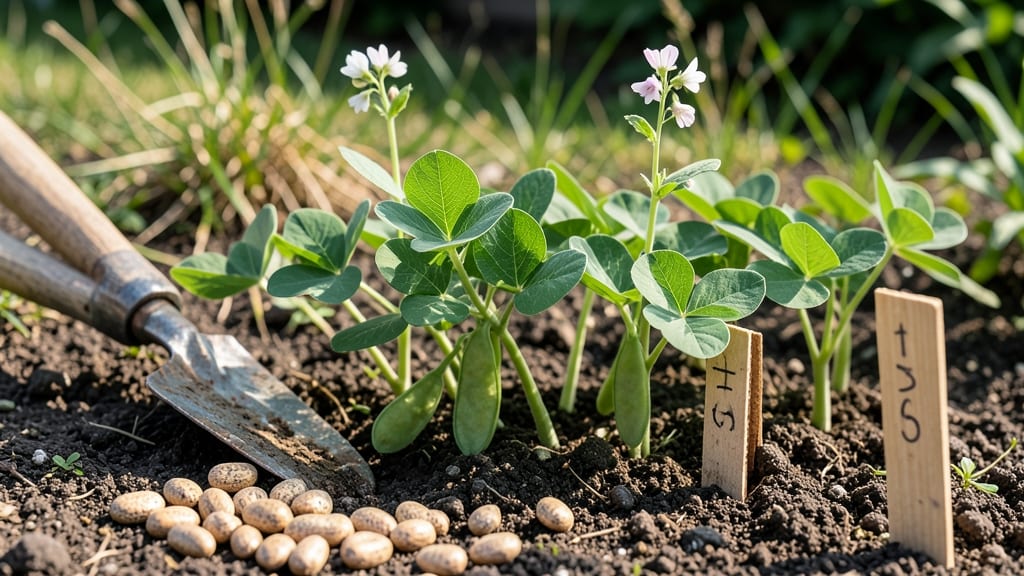
Timing is everything when it comes to growing fava beans in Zone 6—plant them too early, and frost will nip them in the bud; too late, and summer heat will stifle their growth.
The sweet spot? A narrow window where cool temperatures align with your garden's readiness, ensuring a bountiful harvest.
If you've ever wondered why some gardeners swear by spring planting while others prefer fall, it all comes down to Zone 6's unique climate.
The key is understanding how soil temperatures and daylight hours shift between seasons, allowing you to choose the perfect moment for your 🌱 fava beans to thrive.
In this guide, I'll break down the exact planting windows—early spring and late summer—that work best for Zone 6, plus how to adjust for your specific microclimate.
You'll also learn how to prepare your soil, avoid common pitfalls, and maximize your yield, whether you're a seasoned gardener or just starting out.
Ready to transform your garden into a fava bean paradise? Let's dive into the cool-season secrets that will have you harvesting fresh pods in no time.

Optimal planting windows for fava beans in Zone 6
Fava beans love cool weather, making Zone 6 a perfect fit—but timing is everything. Plant too early, and frost will damage young seedlings. Too late, and summer heat stresses the plants before they mature. The sweet spot? Early spring (March-April) or late summer (August-September) for a fall harvest.
In Zone 6, the average last frost date is around April 15, while the first frost hits October 15. Fava beans need 60-100 days to mature, so align your planting with these dates to maximize yields.
For spring plantings, aim for 4-6 weeks before the last frost—typically late March to early April.
For a fall harvest, plant 8-10 weeks before the first frost (early September). This gives fava beans enough time to mature before temperatures drop. In Zone 6, this window is shorter than in warmer zones, so precision matters.
Soil temperature is critical: fava beans germinate best in soil 40-85°F. In Zone 6, soil warms to this range by early April, making it ideal for spring planting. For fall, soil stays cool enough until late September.
Microclimates can shift your timing. If your garden is in a warmer microclimate (e.g., near a brick wall), plant 1-2 weeks later to avoid heat stress. Conversely, cooler spots (like shaded areas) may need earlier planting to reach soil temperature thresholds.
Here’s a quick reference for Zone 6 planting windows, including frost dates and soil conditions:
| Season | Planting Window | Soil Temp | Frost Risk |
|---|---|---|---|
| Spring | Late March - Early April | 40-60°F | Low (after last frost) |
| Fall | Early September | 50-70°F | Moderate (8-10 weeks before first frost) |
🌱 Key: Soil temp must stay below 85°F for optimal growth.
If you’re unsure about your last frost date, check your local USDA Plant Hardiness Zone Map or use a frost calendar from your state’s agricultural extension service. For example, Chicago (Zone 6a) has a later last frost than Denver (Zone 6b), so adjust accordingly.
For succession planting, sow seeds every 2-3 weeks in spring to extend your harvest. In fall, a single planting in early September usually suffices, but you can try a second planting in mid-August if your growing season is long enough.
Pro tip: Use black plastic mulch in spring to warm the soil faster, or straw mulch in fall to insulate roots. Both tricks help you fine-tune your planting schedule based on microclimates.
Finally, monitor your garden’s daylight hours. Fava beans need 12-14 hours of daylight to thrive. In Zone 6, daylight peaks in June, so avoid planting in late spring when days are longest—your plants may bolt prematurely.
Optimal planting windows for fava beans in Zone 6
Zone 6 gardeners have two prime planting windows for fava beans: early spring (March-April) and late summer (August-September). These timing strategies leverage the crop's love for cool temperatures while avoiding summer heat stress.
The key is planting when soil temps reach 40-50°F—too cold, and germination stalls; too warm, and plants bolt prematurely.
For spring planting, aim for 2-4 weeks before your last frost date (typically mid-April in Zone 6). This gives seeds time to sprout before warmer weather arrives. Meanwhile, fall planting should occur 8-10 weeks before first frost (around early September) to ensure pods mature before winter sets in.
🌱
Pro Tip: Use a soil thermometer to confirm readiness—fava beans need consistently warm soil to germinate properly.
🌱 Fava Bean Planting Timeline for Zone 6
| Season | Planting Window | Soil Temp | Key Consideration |
|---|---|---|---|
| Spring | March 15 - April 15 | 40-50°F | Avoid frost-sensitive stages |
| Fall | August 15 - September 15 | 50-60°F | Ensure 80+ days to harvest |
| Avoid | May - July | Above 75°F | Heat stress causes bolting |
Microclimates matter! If your garden sits in a warmer microclimate (like near a south-facing wall), push spring planting to late April to avoid premature bolting. Conversely, in cooler pockets, start seeds indoors in February for an earlier transplant.
For fall harvests, prioritize early-maturing varieties like 'Aquadulce Claudia' (70-80 days) over slower growers. These varieties give you a safety net if frost arrives early. Always check your local frost dates—they can vary by 1-2 weeks even within Zone 6.
🌡️
Remember: Fava beans are frost-tolerant but won't germinate in freezing soil. Wait until temperatures stabilize above 40°F nightly before planting.