
Flowers
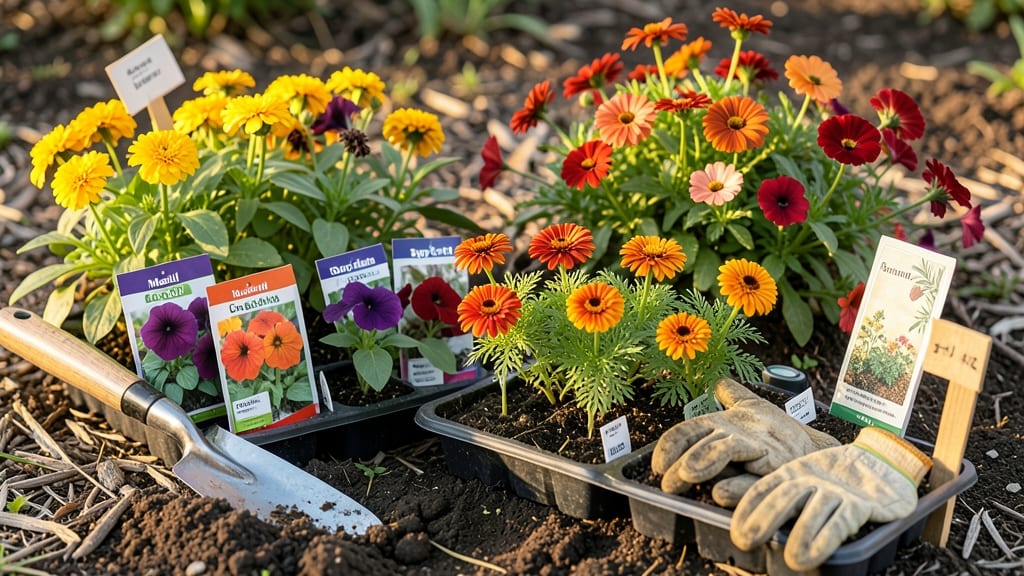
When to plant flower seeds in Ohio isn’t just about avoiding frost—it’s about unlocking a garden bursting with color from spring to fall. With USDA zones 6a-6b and unpredictable spring weather, planting too early risks frost damage, while waiting too long might mean missing peak bloom seasons.
I’ve learned the hard way that Ohio’s last frost typically hits around mid-April, but that doesn’t mean you should rush. The key is knowing which flowers thrive in cool early springs (like pansies) versus those that need warm soil (like marigolds).
In this guide, I’ll break down the exact weeks to plant for bold, long-lasting blooms, whether you’re sowing annuals in March or perennials in August. You’ll discover how to extend your season, avoid common mistakes, and pick the best varieties for Ohio’s climate.
Ready to transform your garden into a year-round showstopper? Let’s dive into the zone-specific secrets that will make your flower seeds flourish—no guesswork required.
Ohio flower seed planting timeline by hardiness Zone (5a-6b)
Ohio spans USDA Hardiness Zones 5a-6b, which means your planting window can shift by 2-3 weeks depending on whether you're in Toledo (Zone 5b) or Columbus (Zone 6a).
The last spring frost typically arrives between mid-April and early May, while the first fall frost hits around mid-October. These dates are your garden’s bookends—plant too early, and frost will nip tender seedlings; too late, and you’ll miss peak blooms.
For annual flowers, the sweet spot is 4-6 weeks after your last frost date.
This gives seeds time to germinate and establish roots before summer heat arrives. Perennials and cool-season flowers, however, can handle earlier planting—even as early as late March in Zone 6b—since they’re built to withstand light frosts.
Microclimates matter too: Urban areas like Cincinnati often warm up faster than rural Appalachian foothills, so adjust accordingly.
Here’s how to calculate your personalized planting window:
| Zone | Last Frost | Spring Planting Window | Fall Planting Window | Notes |
|---|---|---|---|---|
| 5a (e.g., Youngstown) | Mid-May | Late April – Early June | Late July – Early September | Wait for soil to warm to 50°F+. |
| 5b (e.g., Toledo) | Early May | Late March – Mid-June | Early August – Mid-September | Use row covers for early starts. |
| 6a (e.g., Columbus) | Mid-April | Early April – Late May | Mid-August – Late September | Ideal for zinnias and marigolds. |
| 6b (e.g., Cincinnati) | Late April | Late March – Early May | Late July – Early October | Extend season with black plastic mulch. |
For summer-blooming annuals like petunias and sunflowers, aim to plant 4-6 weeks before your last frost. These heat-lovers need time to mature before Ohio’s humid summers arrive.
Meanwhile, cool-season flowers such as pansies and snapdragons thrive when sown in late summer (August-September) for fall and early winter blooms—just be ready to protect them with frost cloth when temps dip below 28°F.
Ohio’s heavy clay soil can delay germination, so amend beds with compost 2-3 weeks before planting. Mix in sand or perlite to improve drainage, especially in low-lying areas where frost lingers.
Test your soil’s pH too—most flowers prefer a neutral 6.0-7.0 range, but azaleas and blueberries (if you’re adventurous) crave acidic soil (4.5-5.5).
Pro tip: Use biodegradable seed starters to jumpstart growth in Ohio’s cool, wet springs. These paper pots protect seeds from soilborne diseases and make transplanting easier.
For direct-sown seeds, press them into soil at a depth 2-3x their width—deeper planting can lead to leggy, weak seedlings struggling to reach the surface.
Don’t overlook succession planting to keep your garden blooming all season. Sow fast-growing annuals like bachelor’s buttons or cosmos every 2-3 weeks from May through July.
This ensures continuous color even as early bloomers fade. Pair this with perennials like coneflowers, which self-seed and return year after year with minimal effort.
For fall planting, focus on cold-hardy varieties such as calendulas and sweet alyssum. These tolerate light frosts and often rebloom in spring if protected. Time your last sowing for 6-8 weeks before your first frost—this gives seeds time to germinate and establish roots before winter sets in.
In Zone 6b, that means late August; in Zone 5a, aim for early August.
Ohio’s microclimates can create 2-week differences in frost dates, so monitor local forecasts and use frost-sensitive plants as early warning systems. For example, plant marigolds as frost indicators—they’ll wilt if temps drop below 32°F, signaling it’s time to cover nearby seedlings.
Pair this with a garden journal to track your personal frost dates over time.
Finally, extend your season with row covers or cold frames to protect early or late plantings. These tools add 2-4°F of warmth
Best flower seeds to plant in Ohio by season (fastest blooms to longest seasons)
Ohio’s gardeners know timing is everything—especially when choosing flower seeds that thrive in our USDA Zones 5a-7a. The right varieties can mean the difference between wimpy blooms and a showstopping garden that lasts from spring to frost.
I’ve ranked the top performers by season, focusing on bloom speed, drought tolerance, and Ohio-friendly hardiness.
For spring blooms, nothing beats pansies or snapdragons, which handle Ohio’s cool early springs like champs. These cool-season annuals germinate in 45-60 days and tolerate light frosts, making them perfect for February-March sowing.
Pro tip: Mix in lobelia for trailing color that spills over containers—it’s a garden designer’s secret.
Top Ohio Flowers by Season
| Season | Variety | Bloom Time | Drought Tolerance | Ohio Performer? |
|---|---|---|---|---|
| Spring | Pansies | 45-60 days | Moderate | ✅ Top Pick |
| Spring/Fall | Snapdragons | 60-75 days | Low | ✅ Frost-tolerant |
| Summer | Zinnias | 50-70 days | High | ✅ Disease-resistant |
| Summer/Fall | Marigolds | 45-60 days | Very High | ✅ Pest deterrent |
| Perennial | Coneflowers | 70-90 days | Very High | ✅ Low-maintenance |
Summer is all about long-lasting color, and zinnias and sunflowers are Ohio’s MVPs. These warm-season annuals thrive in our hot, humid summers and attract pollinators like crazy. For a native touch, try black-eyed Susans—they’re drought-proof once established and bloom from July to frost.
Plant them in June after last frost for maximum impact.
Don’t overlook fall planting! Cool-season flowers like cosmos and calendula germinate quickly in August-September and provide late-season color when many gardens fade. These self-seeding annuals also replant themselves, saving you time next year. Bonus: They’re edible (yes, flowers count!) and deer-resistant, making them a low-stress choice.
For perennials, coneflowers and bee balm are Ohio garden staples. They return year after year with minimal care and long bloom times. Plant them in spring or early fall—just give them full sun and well-draining soil.
Pro move: Group them with Russian sage for a drought-tolerant pollinator magnet that thrives in Ohio