
Flowers
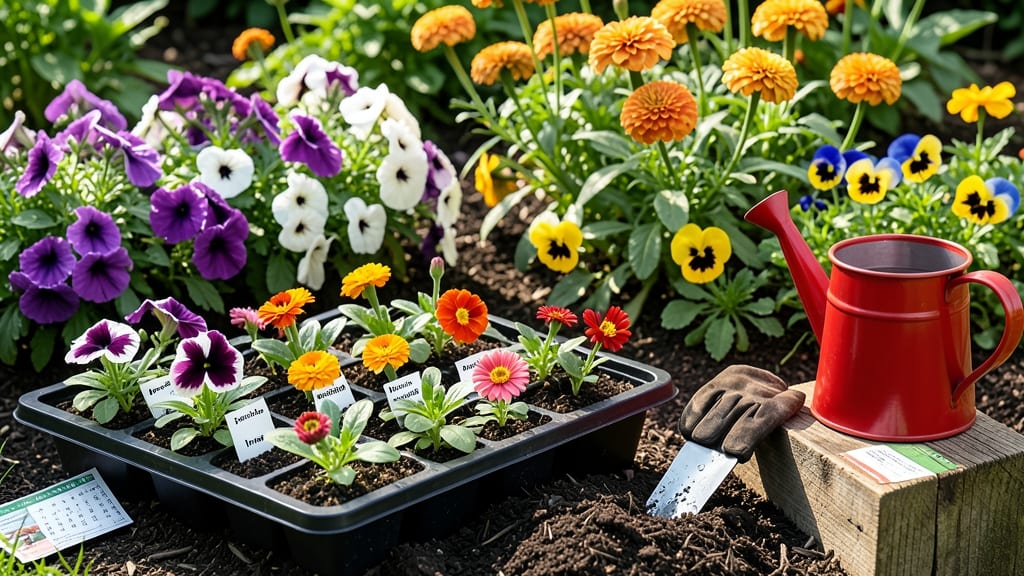
Timing your flower planting in Zone 7 can mean the difference between vibrant blooms and wilted disappointment—knowing the exact window for each variety ensures a showstopping garden all season long.
With 190 frost-free days in Zone 7, you’ve got a longer growing season than most, but that doesn’t mean you can plant whenever you feel like it.
The last frost date (March 15) and first frost (November 15) are your bookends, but the real magic happens between them—when soil warms to 60°F and your 🌸 friends start their journey from seed to bloom.
Spring planting kicks off after that last frost, but not all flowers are created equal. Cool-loving annuals like pansies can handle early spring, while heat-lovers like zinnias need to wait until soil temperatures rise. Meanwhile, fall planting gives you a second chance to extend your blooms into autumn.
I’ll break down the best planting times for every type of flower in Zone 7, so you can maximize your garden’s potential and enjoy nonstop color from spring through fall. Let’s get those blooms growing!

Zone 7 flower planting calendar by heat tolerance levels
Mastering the Zone 7 planting calendar starts with understanding your flowers' heat tolerance. In this zone, we enjoy 190 frost-free days, but not all blooms thrive in our hot summers (85-95°F).
I've broken down planting times into three categories: cool-loving, moderate, and heat-tolerant flowers, with exact windows to maximize your garden's potential.
Your last frost date (around March 15) and first frost date (about November 15) create the framework for our seasonal timing. But soil temperature matters just as much—most seeds need 60°F soil to germinate, while transplants can handle slightly cooler conditions.
Let's dive into the specifics that will transform your garden from "meh" to "wow!"
| Heat Category | Best Planting Window | Soil Temp Requirement | Examples | Bloom Season |
|---|---|---|---|---|
| Cool-Loving | Early Spring (Feb-March) or Fall (Sept-Oct) | 45-55°F | Pansies, Sweet Alyssum, Snapdragons | Spring/Fall |
| Moderate | Late Spring (April-May) | 55-65°F | Petunias, Marigolds, Zinnias | Summer |
| Heat-Tolerant | Late Spring (May-June) | 65-75°F | Sunflowers, Lantana, Portulaca | Summer-Fall |
| Bulbs | Fall (Sept-Oct) for Spring Bloom | 50-60°F | Tulips, Daffodils, Hyacinths | Spring |
| Perennials | Early Spring (March-April) or Fall (Sept) | 50-60°F | Coneflowers, Black-Eyed Susans, Lavender | Summer-Fall |
🌱 Pro Tip: Use a soil thermometer to check temperatures before planting!
For cool-loving flowers, think of them as the early risers of your garden. These beauties like it chilly and can actually bolt (go to seed) in heat. Pansies and sweet alyssum are perfect for February-March planting or September-October for fall color.
I always plant these in partial shade to protect them from our Zone 7 summer heatwaves.
When soil temperatures hit 55-65°F, it's time for moderate flowers like petunias and marigolds. These thrive with April-May planting and handle our 80-90°F summers beautifully. I've found that mulching with straw helps maintain even soil temperatures and reduces watering needs by up to 30%.
The heat-tolerant superstars like sunflowers and lantana are my summer garden's showstoppers. Wait until May-June when soil is at least 65°F—these plants actually prefer the heat and will reward you with bold, long-lasting blooms. I plant these in full sun areas with well-draining soil, and they've become my go-to for butterfly gardens.
Don't overlook fall planting—it's my secret weapon for extended
Zone 7 flower planting calendar by heat tolerance levels
Zone 7 gardeners enjoy a longer growing season than many, but not all flowers thrive in the same conditions. Some love the cool spring air, while others crave summer heat. Understanding these heat tolerance levels helps you plant at the perfect time for each variety.
Cool-loving flowers like pansies and snapdragons can handle early spring temperatures as low as 40°F, while heat-tolerant zinnias and marigolds need soil temps above 60°F. The key is knowing when your last frost date (March 15) and first frost (November 15) fall—and how to adjust for microclimates.
Here’s a breakdown of planting windows based on heat tolerance, so you can time your garden for maximum blooms all season.
For cool-loving flowers, start seeds indoors in February or plant directly after your last frost. These varieties often bolt (flower prematurely) in heat, so avoid planting them after May 1.
Moderate flowers like petunias and coleus thrive when planted after April 15, once soil temperatures rise. These can handle summer heat but may struggle in extreme drought or high humidity.
Heat-tolerant flowers like zinnias and sunflowers should wait until after May 15, when soil temps are consistently above 60°F. These summer bloomers will reward you with vibrant color until your first frost in November.
Pro tip: Use a soil thermometer to check temps before planting—this is the #1 way to avoid stunted growth or failed germination. Happy planting! 🌸