
Plants
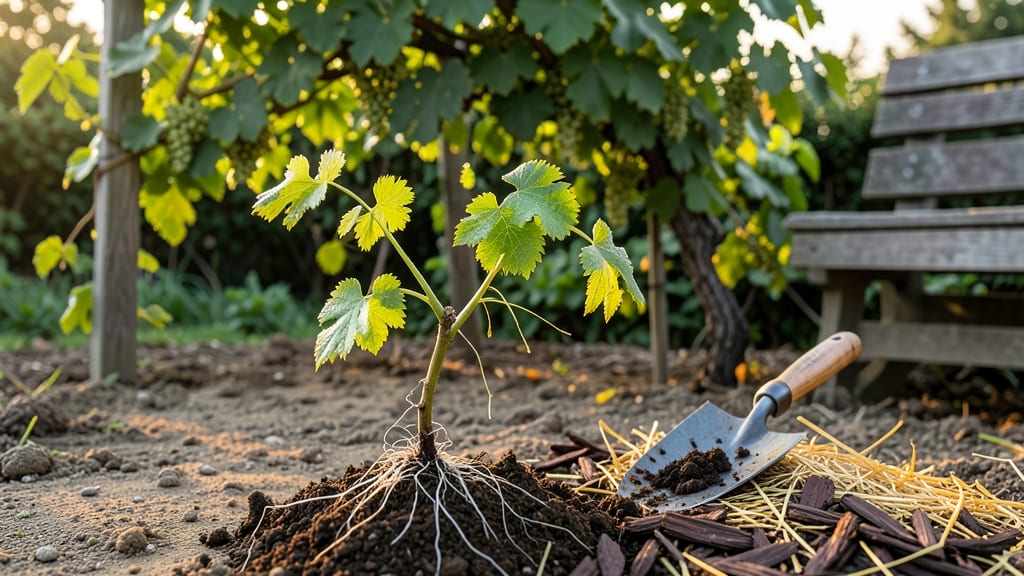
If you’ve ever dreamed of growing your own 🍇 grapes in Indiana, timing is everything—plant too early, and frost will nip your vines in the bud. Too late, and your 🍇 grape might struggle to establish roots before winter sets in.
The secret to success? Knowing the exact planting window for Indiana’s climate and chill-hour needs.
Indiana’s USDA Zones 5b-6b mean you’ve got a narrow but critical window to plant—either in early spring (March-April) or fall (September-October). But not all grape varieties thrive equally here. Some need 500+ chill hours to set fruit, while others adapt better to Indiana’s shorter winters.
I’ll break down which types work best and how to time your planting for a reliable harvest every August-September.
Whether you’re planting bare-root stock, cuttings, or even experimenting with containers for urban spaces, the right timing ensures your vines take root strong. Skip the guesswork—learn the step-by-step schedule that Indiana gardeners swear by, from soil prep to frost-proofing your young plants. Let’s get those grapes growing!
Ready to avoid the top mistakes that kill grape vines? We’ll cover everything—from avoiding early planting pitfalls to choosing the perfect spot with full sun. By the end, you’ll know exactly when to dig in for plump, homegrown grapes that taste better than anything you’ve ever bought at the store.
Indiana grape planting timeline: chill-hour requirements by variety
Indiana’s USDA Zones 5b-6b mean chill hours (0-45°F) are critical for grape success. Most varieties need 500-1,000 chill hours—hybrids like Concord thrive with 600-800 hours, while European types need 800-1,000 hours for reliable fruiting. Planting at the wrong time risks poor bud break or winter dieback.
Spring planting (March-April) works best for dormant bare-root vines, while fall planting (September-October) gives roots time to establish before winter. Indiana’s last frost date (April 15) signals safe spring planting, but soil temperatures must reach 50°F for root growth.
🍇 Key varieties for Indiana: Concord (600-800 chill hours), Niagara (700-900 hours), and Valiant (900-1,000 hours). European types like Chardonnay or Cabernet Franc need 1,000+ chill hours—risky in northern Indiana without microclimate protection.
| Variety | Chill Hours | Best Planting Window | Notes |
|---|---|---|---|
| Concord | 600-800 | Early Spring (March-April) | Cold-hardy, great for jellies/wine |
| Niagara | 700-900 | Fall (September-October) | Sweet table grapes, needs trellis |
| Valiant | 900-1,000 | Early Spring | Disease-resistant, red table grapes |
| Chardonnay | 1,000+ | Spring (Zone 6b only) | Risky in northern IN; needs microclimate |
Northern Indiana (Zone 5b) gardeners should prioritize hybrid varieties like Concord or Valiant, which handle shorter growing seasons better. Southern Indiana (Zone 6b) can attempt European varieties with 1,000+ chill hours, but plant them in south-facing slopes or near buildings for warmth.
Fall planting (September-October) is ideal for bare-root vines—roots establish before winter, giving a 2-3 week head start in spring. Avoid planting after October 15, Indiana’s average first frost date, as new roots won’t harden before cold snaps.
Mulch with 4-6 inches of straw to protect roots in winter.
🌡️ Pro tip: Use a chill-hour calculator (like the USDA ARS tool) to verify your variety’s needs. Indiana’s winter lows often dip below 0°F, so mulching and winter protection are non-negotiable for tender varieties.
Container growing extends options for urban gardeners. Dwarf varieties like ‘Frontenac’ (600 chill hours) thrive in 15-gallon pots with full sun and well-draining soil. Move containers to garages or sheds in winter to protect roots—critical for Zone 5b areas.
🌱 Soil prep is just as critical as timing. Indiana’s clay-heavy soils drain poorly—amend with compost and sand to improve aeration. Test pH (6.0-6.5) and add lime if needed. Plant vines 2-3 feet apart with 6 feet between rows for airflow and disease prevention.
Monitor bud break in spring—healthy buds swell 2-3 weeks after last frost. If buds rot or fail to open, you’ve planted too early or too late. Adjust next year’s timing based on actual frost dates, not averages.
Step-by-step guide: when and how to plant grapes in Indiana’s climate
Timing your grape planting in Indiana isn’t just about the calendar—it’s about soil temperature, frost risks, and dormancy cycles. The two best windows are early spring (March-April) or fall (September-October), but each has unique advantages.
Spring planting lets vines establish roots before summer heat, while fall planting gives them a head start on root growth before winter dormancy.
For Indiana’s USDA Zones 5b-6b, aim to plant when daytime temperatures consistently stay above 50°F (10°C)—this usually aligns with mid-April for spring or late September for fall.
Check your local last frost date (typically around April 15 in Indiana), and plant at least 2 weeks after to avoid frost damage to tender new growth.
Here’s my proven planting schedule for Indiana gardeners, broken into clear steps to ensure your grapevines thrive from day one:
Pro tip: If you’re planting in containers for urban spaces, use large pots (15+ gallons) with drainage holes and plant dwarf varieties like ‘Black Monukka’ or ‘Frontenac.’ Just remember—containers dry out faster, so monitor soil moisture closely!
For Indiana’s unpredictable frosts, protect young vines with row covers or burlap wraps if late frosts threaten. Once established (year 2+), your grapes will handle Indiana’s climate like a pro—just keep that full sun and well-draining soil in check.