
Plants
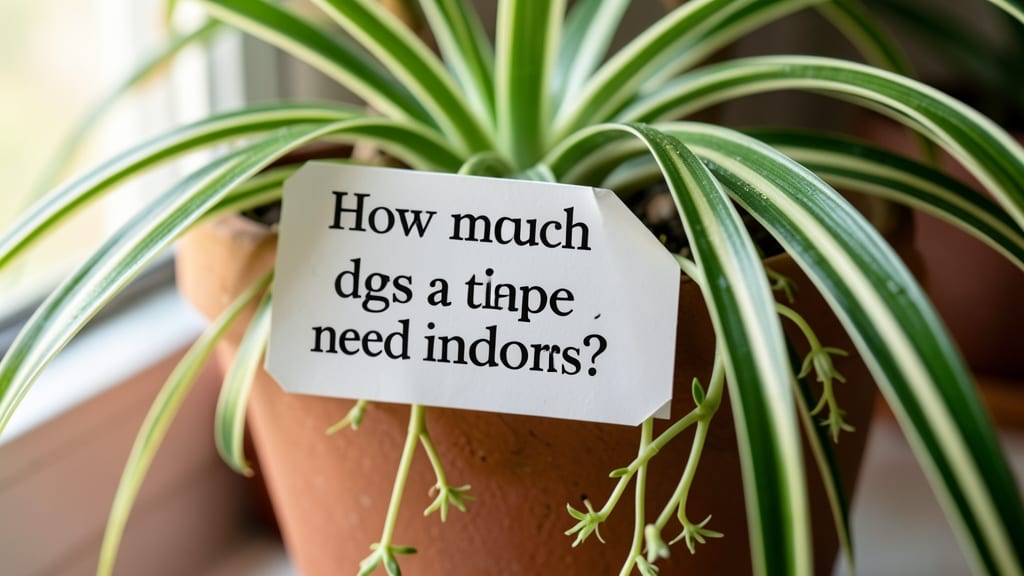
If your 🕷️ spider plant looks more like a sad, leggy shadow than a lush, cascading beauty, how much light does a spider plant need indoors to thrive? These tropical plants crave bright indirect light—but too little or too much can turn your green friend into a struggling survivor.
The good news? With the right placement, you can transform your plant’s health in just a few weeks.
Most homes have the perfect spot for a spider plant—it just takes knowing where to look. East-facing windows offer gentle morning sun, while north-facing windows provide consistent, soft light all day.
Even dimmer corners can work with a few clever adjustments, like rotating your plant or adding a simple grow light.
Yellow leaves? Brown tips? These are your spider plant’s way of saying, "I need more—or less—light!" I’ll show you exactly how to read your plant’s signals and tweak its environment for vibrant growth. No guesswork, just science-backed tips to keep those iconic striped leaves happy and healthy.
Whether you’re dealing with a bright kitchen or a cozy, low-light bedroom, this guide will help you create the ideal conditions. Let’s get your spider plant thriving—without needing a sunroom or greenhouse.

Ideal light requirements for spider plants: bright indirect sunlight explained
Spider plants (Chlorophytum comosum) thrive in bright indirect light, making them perfect for most indoor spaces. Unlike sun-loving plants, they despise direct sunlight, which can scorch their leaves. Think of their ideal spot as similar to a dappled forest floor—bright but filtered.
Most homes have three natural light zones: low light (far from windows), medium light (a few feet from windows), and bright light (direct window exposure). Spider plants prefer medium to bright indirect light, which translates to 4-6 hours of filtered sunlight daily.
This is typically found 1-3 feet from an east or north-facing window.
Here’s why bright indirect light matters: it fuels photosynthesis without causing leaf burn. South-facing windows can work, but only if your plant isn’t touching the glass. West-facing windows may be too harsh, especially in afternoon sun.
Many gardeners mistakenly assume spider plants are low-light plants. While they can tolerate lower light conditions, this leads to leggy growth and fewer spiderettes (those adorable baby plants). For optimal health, aim for at least 40% of the light intensity near a north-facing window.
A common misconception is that all variegated spider plants need more light than solid green varieties. While variegated types (like 'Variegatum') do require slightly more light to maintain their striped patterns, they still thrive in bright indirect conditions.
Solid green varieties are more forgiving in lower light.
To test your home’s light conditions, place your spider plant in a potential spot for 1-2 weeks. Observe the leaves: if they’re dark green and upright, you’ve found the sweet spot. If they stretch toward the light or develop pale yellow streaks, it’s too dim.
Pro tip: Rotate your plant quarter-turns every 2-3 weeks to ensure even growth. This prevents one side from becoming lopsided or leaning toward the light source, which is a classic sign of light deprivation.
| Light Condition | Ideal Placement | Leaf Color | Growth Pattern |
|---|---|---|---|
| Low Light (<30%) | 10+ feet from windows | Dark green, pale variegation | Leggy, sparse spiderettes |
| Medium Light (30-50%) | 3-6 feet from east/north windows | Vibrant green, bold stripes | Compact, frequent spiderettes |
| Bright Indirect (50-70%) | 1-3 feet from east/north windows | Rich green, crisp variegation | Balanced, bushy growth |
| Direct Sunlight (>70%) | South/west windows without filter | Yellow/brown patches | Stunted, crispy edges |
If your home lacks natural light, don’t despair! Spider plants adapt well to artificial lighting, especially full-spectrum LED grow lights. Place the light 6-12 inches above the plant and provide 12-14 hours of light daily. Fluorescent bulbs work too but require closer placement (3-6 inches).
For renters or small spaces, consider a window sill with a sheer curtain to diffuse harsh light. This mimics the dappled shade spider plants love. Avoid plastic or dark curtains, as they block too much light. Instead, opt for linen or voile fabrics.
Remember: Consistency is key. Sudden changes in light exposure can stress your plant. If you move it to a brighter spot, do so gradually over 1-2 weeks to allow it to adjust. Watch for new growth—this is the best indicator of happy, well-lit foliage!
Signs your spider plant isn’t getting the right light (and how to Fix it)
Your 🕷️ spider plant speaks volumes through its leaves—if you know what to listen for. Yellow leaves or brown tips often signal light issues, but the real clues lie in the plant’s growth patterns.
Leggy stems with sparse foliage? That’s a cry for more light. Pale, stretched-out leaves? Your plant is reaching toward a brighter spot.
First, check the color of new growth. Healthy spider plants produce striped leaves with vibrant green and white variegation. If those stripes fade to solid green, your plant may be getting too much direct sun.
Conversely, if the leaves turn dull or develop brown patches, it’s likely not enough light.
🚨 CRITICAL: Direct sunlight burns spider plants, causing crispy, brown edges. Even a few hours of harsh afternoon sun can scorch leaves. If your plant is near a south-facing window, move it back at least 6 feet or use a sheer curtain to diffuse the light.
⚠️ Warning: Common Light Mistakes
- Too little light: Leads to leggy growth and weak stems.
- Too much light: Causes brown leaf tips and crispy edges.
- Direct sun exposure: Burns leaves, turning them yellow or white.
🌱 Fix it: Rotate your plant weekly to ensure even light exposure and avoid shadows.
If your spider plant’s growth slows dramatically, it’s likely not getting enough light. These plants thrive in bright indirect light, so aim for spots near east or north-facing windows. Even bathrooms with skylight exposure can work—just avoid dark closets or corners.
For low-light homes, try placing your spider plant on a dresser or shelf near a window. If that’s not an option, a LED grow light on a timer (12-14 hours/day) can mimic natural light. Look for lights labeled "full-spectrum" to cover all light wavelengths.
Finally, observe your plant’s leaf texture. Healthy leaves should be plump and firm. If they feel soft or mushy, it could indicate overwatering combined with poor light.
Adjust both watering and light to restore balance. With these adjustments, your spider plant will bounce back in 2-4 weeks.