
Companion Plants
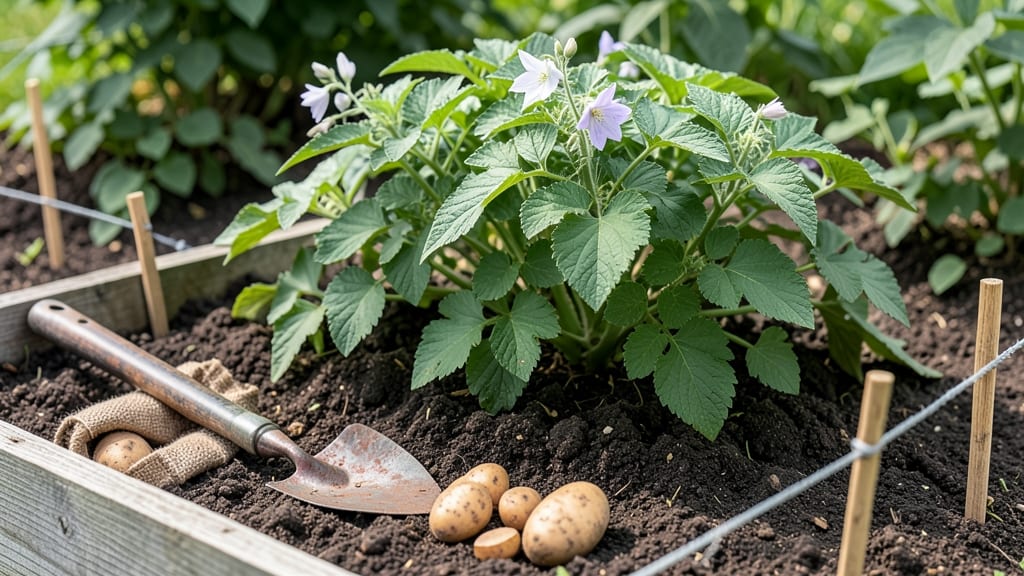
If you’ve ever stared at your 🥔 seed potatoes wondering, "when do I plant potatoes in Zone 7?"—you’re not alone. Timing these tubers wrong can mean the difference between a harvest so abundant you’ll need a storage bin and a sad, frost-nipped failure.
The key isn’t just guessing when to dig; it’s knowing your soil’s secret language—temperature triggers that tell you it’s finally safe to plant.
Zone 7 gardeners face a unique challenge: early springs with lingering frost or late summers where first frost sneaks up faster than you can say "Yukon Gold." Plant too early, and your potatoes rot in cold, wet soil.
Too late, and you miss the 90-day window for a full harvest. The solution? A soil thermometer and a few pro tips to outsmart Mother Nature’s mood swings.
Here’s the game-changer: Most Zone 7 growers nail their potato timing by waiting until soil hits 45°F—but there’s a catch. Cold-hardy varieties like Kennebec can handle 40°F soil, while heat-lovers like Russets need 50°F+.
I’ll walk you through the exact window, plus how to stretch your harvest season with a second planting—because why stop at one batch when you can double your spud success?
Ready to ditch the guesswork? Let’s break down the Zone 7 potato calendar, from chitting your tubers to knowing when to hibernate them for next year. Spoiler: The best time isn’t just about dates—it’s about reading your soil’s cues like a pro.

Zone 7 potato planting timeline: exact soil temperature triggers
Zone 7 gardeners face a unique challenge: balancing early spring planting with lingering frost risks. Unlike colder zones, your last frost date (around April 15) gives you a narrow window to plant seed potatoes without exposing them to 32°F or lower temperatures. The key? Monitoring soil temperature—not just air temperature—since cold soil can stunt growth or even kill tender sprouts.
Most potato varieties thrive when soil reaches 40-50°F for early plantings, but warmer varieties prefer 50-60°F. Using a soil thermometer (just $10 at garden centers) takes the guesswork out of timing.
For example, in Raleigh, NC, soil often hits 50°F by early March, while Atlanta, GA may wait until late March. Local weather stations or USDA Plant Hardiness Zone maps can help refine your schedule.
Here’s the golden rule: Plant potatoes 2-4 weeks before your last frost date—but only if the soil is workable and above 40°F. Planting too early in cold, wet soil leads to rotten tubers or slow germination.
Conversely, waiting too long risks crowded plants or blight from summer heat. The sweet spot? Mid-March to early April for most of Zone 7.
Pro tip: Chitting potatoes (pre-sprouting in a bright, cool spot) gives you a 2-week head start. When you see 1-inch sprouts, your potatoes are ready to hit the ground running—literally. This trick is especially useful in Zone 7b (warmer microclimates) where soil warms faster.
| Stage | Action | Soil Temp | Zone 7 Timeline |
|---|---|---|---|
| Prep Soil | Add compost, loosen soil to 12" deep | N/A | Late February |
| Chit Potatoes | Place seed potatoes in light, cool spot (55-60°F) | N/A | 4-6 Weeks Before Planting |
| Plant Early Varieties | 4" deep, 12" apart; mulch with straw | 40-50°F | Mid-March |
| Plant Late Varieties | Same depth, but wait for 50-60°F soil | 50-60°F | Early April |
| Hill Soil | Pile soil around stems when vines reach 6" | 55°F+ | April-May |
| Harvest Early Potatoes | Dig when tops flower or yellow | N/A | June-July |
🌱 Zone 7 Planting Calendar
Don’t fall for the myth that you should plant potatoes "as early as possible". In Zone 7, rushing leads to frost damage or slow growth from cold soil. Instead, aim for consistent 50°F+ soil and watch for sprouts breaking through the soil—that’s your cue for success.
If a late frost hits after planting, cover young plants with row fabric or straw mulch to protect them.
For second plantings (late summer), time it so tubers mature before the first frost (October 15). Use fast-maturing varieties like Red Pontiac (60 days) and plant 8-10 weeks before frost. This extends your harvest into fall and makes the most of your garden space.
Just avoid planting after July 15, or your potatoes may not reach maturity before cold weather sets in.
One common mistake? Ignoring soil drainage. Potatoes rot in soggy soil, so amend clay-heavy areas with compost or sand. A quick test: Dig a hole, fill it with water, and time how long it drains.
If it takes more than 4 hours, improve drainage before planting. Well-drained soil = happy potatoes = bigger yields.
To track your progress, mark your planting date and harvest date on a garden journal. Over time, you’ll notice patterns—like whether March 20 or April 5 works better for your microclimate.
Share your timeline with fellow Zone 7 gardeners; local variations can be huge! For example, Charlottesville, VA might plant a week earlier than Birmingham, AL due to elevation differences.
Finally, remember that potatoes are cool-season crops, but they hate heat stress. If summer temperatures soar above 85°F, use shade cloth or plant in partial shade to prevent blight.
With the right timing and care, you’ll enjoy homegrown spuds from June through October—no grocery store needed!
Zone 7 potato planting timeline: exact soil temperature triggers
In Zone 7, your potato planting success hinges on two critical factors: soil temperature and frost dates. Unlike cooler zones, Zone 7’s mild winters and warm summers create a narrow window where timing is everything.
The last average frost date for most Zone 7 areas is around April 15, but planting too early—when soil is still below 40°F—can lead to rot. Meanwhile, waiting too long risks missing the 90-day growth window before summer heat sets in.
Here’s the golden rule: Plant potatoes when soil reaches 45°F for cold-hardy varieties or 50°F+ for heat-loving types. This typically falls between late March and early April in most of Zone 7, but your exact timing depends on microclimates.
For example, coastal areas may hit this threshold weeks earlier than inland regions. A soil thermometer is your best friend here—don’t guess, measure!
| Planting Stage | Soil Temp | Zone 7 Window | Action |
|---|---|---|---|
| Chitting (Pre-Planting) | 60-65°F | Late Feb - Early Mar | Expose seed potatoes to light |
| Primary Planting | 45-50°F | Late Mar - Early Apr | Plant 4" deep, 12" apart |
| Second Planting | 50-60°F | Late Jun - Early Jul | Use fast-maturing varieties |
| Harvest Ready | N/A | 90-120 days after planting | When foliage yellows |
Pro tip: If your soil is still too cold by mid-April, don’t panic. Use black plastic mulch or straw bales to warm the soil faster. This trick can shave off 1-2 weeks of waiting time. Just be sure to remove the mulch once plants emerge to avoid overheating.
Another common mistake? Planting based on air temperature alone. Soil temperature can be 10-15°F colder than the air, so always check below the surface.
For fall planting (a Zone 7 favorite for extending harvests), aim for 8-10 weeks before your first frost (typically late August). Choose early-maturing varieties like ‘Red Norland’ or ‘Yukon Gold’ that can bulk up before cold sets in.
The key here is soil warmth—even in fall, your soil should stay above 50°F for roots to develop properly.
Remember: Potatoes hate wet feet. If your Zone 7 spring brings heavy rains, consider raised beds or mounds to improve drainage. Poor drainage is the #1 reason potatoes rot in the ground.
And if you’re really ambitious, try container growing—just ensure your pots have drainage holes and use a lightweight potting mix. Containers warm up faster in spring, giving you an edge on early planting.
Finally, mark your calendar for June 1—this is your last chance to start a second crop in most of Zone 7. After that, the days get too long, and potatoes shift their energy from tubers to foliage.
By following these soil temp triggers, you’ll turn your Zone 7 garden into a potato powerhouse, not a frost casualty. 🥔