
Plants
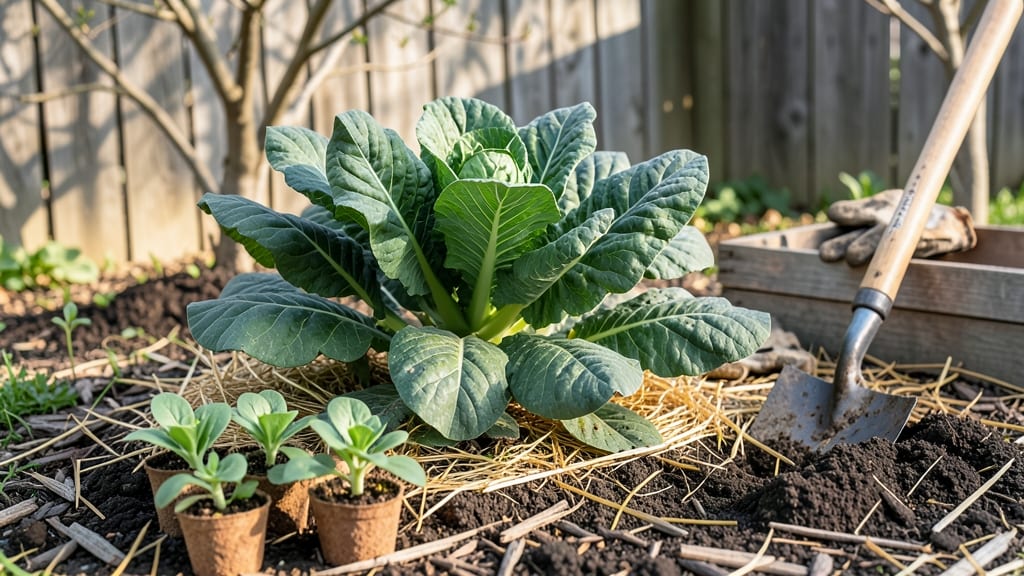
If you're growing 🥬 collards in North Carolina, timing your planting can make the difference between a bountiful harvest and a frost-bitten disappointment. The key to success lies in understanding your USDA Zone 7a-8b climate—where early springs and late falls create perfect windows for this cold-hardy green.
Most gardeners in NC plant collards twice a year: once in early spring (March-April) and again in late summer/early fall (August-September). But here's the catch—planting too early in spring risks frost damage, while waiting too late in fall might cut your harvest short.
Let me show you exactly when to start seeds or transplants for maximum yield.
In Zone 7a, where average lows dip to 0-5°F, your planting window is narrower than in Zone 7b (5-10°F). That means microclimates matter—whether you're in the Piedmont or Coastal Plain, local frost dates can shift your schedule by 2-3 weeks.
I'll break down the precise timing so you never miss a harvest opportunity.
Ready to grow collards that thrive all season long? Let's dive into the frost-free planting schedule tailored just for North Carolina gardeners like you.
Optimal collard planting calendar for NC zones 7a & 7b
Collards are a cool-season powerhouse that thrive in North Carolina's mild winters and hot summers. For Zone 7a (average lows 0-5°F) and Zone 7b (5-10°F), timing is critical to avoid early spring frosts or summer bolting.
The best windows are early spring and late summer/fall, when temperatures stay moderate.
In Zone 7a, your last frost date typically falls around April 15, while Zone 7b sees it slightly earlier, around April 1. For fall planting, aim to sow seeds 8-10 weeks before the first frost, which usually arrives in mid-November.
This gives collards enough time to mature before cold sets in.
🌱
For spring planting, start seeds indoors 4-6 weeks before your last frost date to give seedlings a head start. In Zone 7a, this means mid-February sowing, while Zone 7b gardeners can begin slightly later, around late February.
Transplant seedlings outdoors once soil temperatures reach at least 40°F and nighttime temps stay above 30°F.
Fall is often the most productive time for collards in NC, as cooler temps prevent bolting. In Zone 7a, aim to plant by October 15 for a winter harvest, while Zone 7b gardeners have until November 1.
Use row covers or cold frames to extend harvests into late winter or even early spring.
If you're planting in late summer, choose heat-tolerant varieties like 'Blue Max' or 'Georgia Southern' to avoid bolting. Sow seeds in partial shade during the hottest months (August-September) and provide consistent moisture to keep plants thriving.
Avoid planting after mid-August in Zone 7a or late August in Zone 7b, as seedlings may struggle to establish before winter.
Always check your local microclimate, as urban areas or higher elevations may experience earlier frosts. Use a frost calendar from your NC Cooperative Extension office for precise dates tailored to your county. For example, Asheville (Zone 7a) has later frosts than Raleigh (Zone 7b), so adjust accordingly.
🌿
Pro tip: Direct-sow collard seeds in the garden for the strongest plants. They germinate best in 60-70°F soil, so wait until soil warms up in spring or after summer heat subsides.
Space seeds 12-18 inches apart in rows 24-30 inches apart to allow for leafy growth and easy harvesting.
For container gardening, choose compact varieties like 'Top Bunch' and plant 2-3 plants per 12-inch pot. Containers dry out faster, so monitor soil moisture closely and water daily during hot spells. Containers also warm up quicker in spring, so delay planting until soil temps stabilize.
✂️
Optimal collard planting calendar for NC zones 7a & 7b
North Carolina's USDA Zones 7a and 7b create distinct planting windows for collards, where timing directly impacts your harvest success. In Zone 7a (average lows 0-5°F), your frost-free window is tighter, while Zone 7b (average lows 5-10°F) offers slightly more flexibility.
The key is planting when soil temperatures consistently stay above 45°F—this threshold ensures strong germination and growth.
For spring plantings, aim for late March to mid-April in both zones. This timing gives seedlings enough time to establish roots before summer heat arrives. In Zone 7a, wait until mid-April to avoid late frosts, while Zone 7b gardeners can start as early as late March.
Fall plantings should begin 8-10 weeks before your first frost, typically mid-August to early September.
Here's your tailored planting schedule with frost-free windows for maximum collard production:
| Planting Window | Zone 7a (0-5°F) | Zone 7b (5-10°F) | Soil Temp |
|---|---|---|---|
| Spring Planting | Mid-April to early May | Late March to mid-April | 45°F+ |
| Fall Planting | Mid-August to early September | Late August to mid-September | 50°F+ |
| Last Frost Risk | Mid-April | Early April | N/A |
| First Frost Risk | Mid-November | Late November | N/A |
Remember that microclimates in North Carolina can shift these dates by 1-2 weeks. Coastal areas like Wilmington may have earlier last frost dates, while inland Piedmont regions like Greensboro could face later frosts.
Always check your local frost-free date and adjust accordingly—this small tweak can mean the difference between a thriving collard patch and a failed crop.
For both spring and fall plantings, direct sowing is ideal, but you can also use transplants if starting indoors. Harden off seedlings for 7-10 days before transplanting to help them adjust to outdoor conditions.
Plant seeds ½ inch deep and 12-18 inches apart to give your collards room to grow into their 1-2 foot mature height.
Pro tip: If you're growing collards for winter harvests, consider planting a second fall crop in early September—this gives you younger, more tender leaves before winter sets in. Just be sure to use row covers if temperatures dip below 20°F to protect your plants.