
Plants
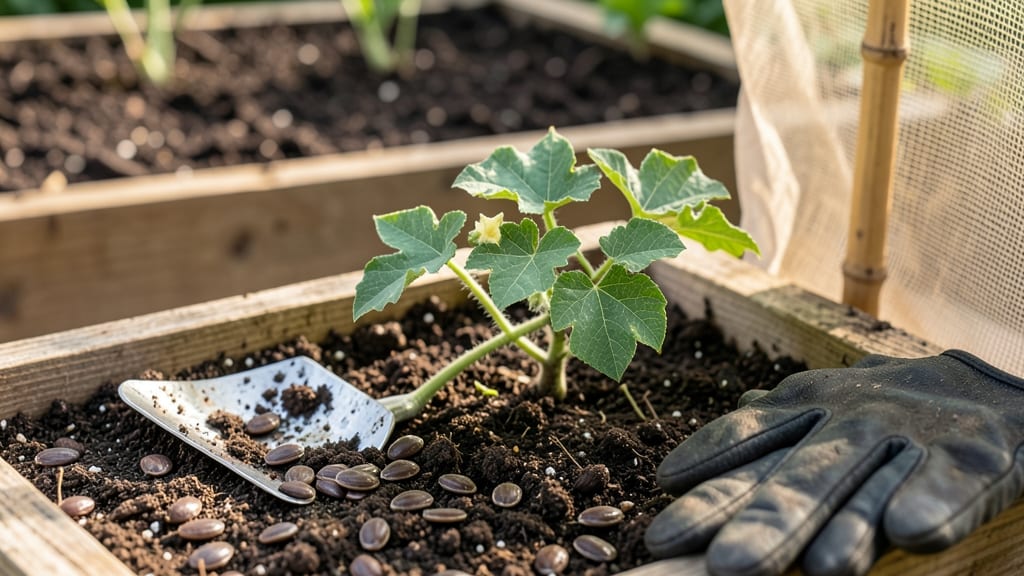
Planting watermelon seeds at the right time in California can mean the difference between a bountiful harvest and wasted effort. With 🍉 vines thriving year-round in zones 9b-10a, you might think timing doesn’t matter—but soil temperature and regional microclimates still play a crucial role.
The key is waiting until soil reaches 70°F+, which typically happens between mid-March and mid-June in most areas. Coastal regions like San Diego may start earlier, while inland valleys like the Central Valley can begin planting as early as February.
This precision ensures your seeds germinate quickly and avoid the rare late-spring chill that could stunt growth.
Whether you're a first-time gardener or a seasoned grower, understanding these regional variations will help you maximize your harvest. I’ll break down exactly when to plant—plus pro tips for extending your growing season—so you can enjoy sweet, homegrown watermelons from July to September.
Ready to skip the guesswork? Let’s dive into the science behind California’s perfect planting windows and how to adapt for your specific microclimate.
California watermelon planting calendar: soil temperature and frost-free deadlines
Watermelons thrive in California’s frost-free climate, but soil temperature is the real game-changer. Unlike northern states, CA gardeners don’t need to wait for frost-free dates—just soil warmth. Aim for 70°F (21°C) at least 1 inch deep before planting seeds.
In most regions, this happens between mid-March and mid-April, but coastal areas may need to wait until May.
Southern California’s desert regions (Zone 10a) can plant as early as February, while coastal Zone 9b areas like San Francisco should wait until late April.
Use a soil thermometer to confirm—this tool is your best friend for precise timing. Without it, watch for warm, dry soil that crumbles easily when squeezed.
Here’s the critical timeline for CA watermelon planting:
| Region | Ideal Planting Window | Soil Temp Requirement | Notes |
|---|---|---|---|
| Southern CA (Desert) | February–March | 70°F+ (earlier than coastal) | Use black plastic mulch to retain heat |
| Central CA (Sacramento) | Mid-April–May | 70°F+ (wait for warm spells) | Frost risk in valleys—monitor forecasts |
| Northern CA (San Francisco) | Late April–June | 70°F+ (cooler coastal soil) | Start seeds indoors 2–3 weeks early |
| All Regions (Year-Round) | July–August (succession) | 70°F+ (for late-season harvests) | Use shade cloth to prevent bolting |
For direct sowing outdoors, California gardeners typically plant watermelon seeds 2–3 weeks after the last frost date in their area. Since most of CA is frost-free year-round, focus on soil temperature instead.
If you’re in a cooler microclimate (like high-elevation areas), opt for early-maturing varieties like ‘Sugar Baby’ or ‘Crimson Sweet’ to avoid summer heat stress.
Pro tip: Black plastic mulch can raise soil temperature by 5–10°F, letting you plant 2–3 weeks earlier in spring. Lay it down 1–2 weeks before planting to warm the soil. Pair this with drip irrigation to maintain moisture—watermelons need 1–2 inches of water weekly once established.
If you’re unsure about your last frost date, check the USDA Plant Hardiness Zone Map for your specific location. Most of California falls in Zones 9b–10a, meaning you can plant watermelons almost anytime.
However, late summer plantings (July–August) often yield sweeter fruit because the longer daylight hours boost sugar production.
For container gardening, start seeds indoors 4–6 weeks before your target outdoor planting date. Use biodegradable pots to avoid transplant shock. Watermelons need at least 5-gallon containers per plant, so plan your space carefully—those vines can spread 6–10 feet!
Remember: Watermelons hate cold soil. If you plant too early and temperatures dip below 50°F (10°C), seeds may rot or seedlings will fail to germinate. Always test your soil with a thermometer before committing to planting.
🌱
California watermelon planting calendar: soil temperature and frost-free deadlines
California’s frost-free climate means you can plant watermelon seeds almost year-round—but soil temperature is your real deadline. Watermelons thrive when soil reaches 70°F (21°C) or warmer.
In most of CA, this happens between mid-March and mid-June, but coastal areas like San Francisco may need to wait until late April.
Since CA spans USDA zones 9b-10a, frost isn’t a concern, but cool soil will stunt germination.
Use a soil thermometer to confirm warmth before planting. Southern CA (e.g., Los Angeles, San Diego) can start as early as February, while Northern CA (e.g., Sacramento, Redding) should wait until mid-April.
| Region | Ideal Planting Window | Soil Temp Requirement | Notes |
|---|---|---|---|
| Southern CA (LA, SD) | February–April | 70°F+ (earlier with mulch) | Year-round possible in deserts |
| Central CA (SF, Sacramento) | Mid-April–May | 70°F+ (cooler coastal areas) | Use black plastic mulch |
| Northern CA (Redding, Chico) | Mid-April–June | 70°F+ (wait for warmth) | Start indoors for earlier harvests |
For direct sowing outdoors, aim for 2–3 weeks after your last frost date (though most of CA has none). If you’re starting seeds indoors, begin 3–4 weeks before transplanting when soil is ready. Use biodegradable pots to avoid root disturbance when moving seedlings.
Pro tip: Black plastic mulch raises soil temperature by 5–10°F, letting you plant 2–3 weeks earlier in cooler areas. Lay it down 1–2 weeks before sowing to maximize warmth. Pair this with drip irrigation to keep soil consistently moist—watermelons hate dry spells during germination.
If you’re in a high-desert area (e.g., Death Valley, Palm Springs), you can plant year-round, but focus on shade cloth during peak summer to prevent fruit sunscald. In coastal foggy zones, row covers can accelerate soil warming and speed up growth.
Remember: Watermelons need 70–90 days to mature. Plant your last batch by mid-June to ensure harvests before fall rains reduce quality. For a continuous harvest, stagger plantings every 2 weeks from March to June.