
Plants
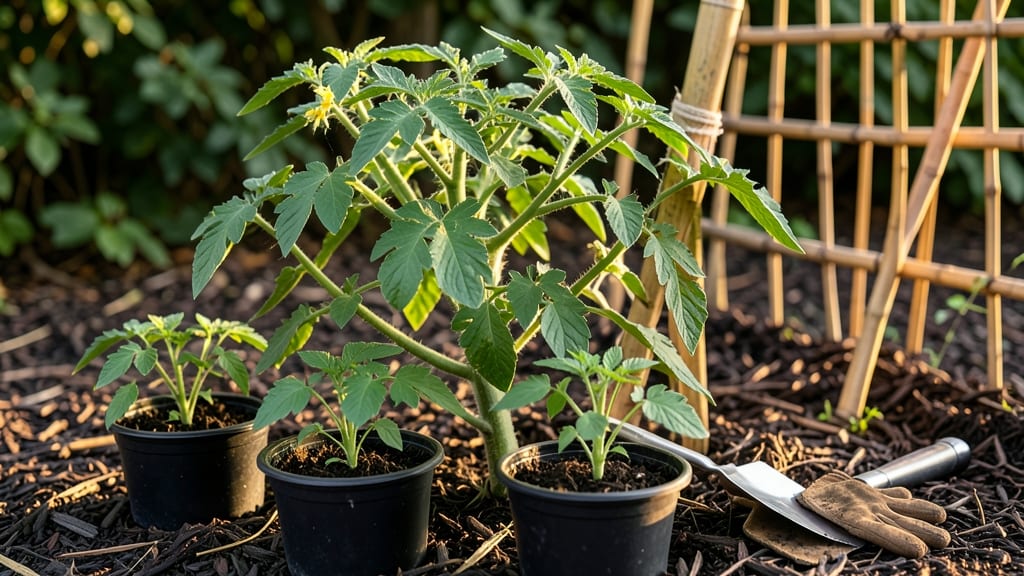
Knowing when is it too late to plant tomatoes in Ohio can mean the difference between a bountiful harvest and a sad, wilted 🍅 pile. Ohio gardeners often panic when the calendar hits June, but don’t toss those seeds just yet—you’ve got options!
The key is choosing fast-maturing varieties and using smart strategies to beat Ohio’s 6a/6b climate. Even if you missed the ideal April 15–June 15 window, late plantings can still produce fruit with the right approach. I’ll show you exactly which tomatoes thrive when planted in July or even early August.
From cold-hardy varieties to protective row covers, we’ll cover everything you need to extend your growing season. Whether you’re a first-time gardener or a seasoned pro, these tips will help you squeeze every last drop of productivity from your Ohio garden.
Let’s dive into the science of late plantings and the game-changer varieties that still deliver when the calendar says “too late.” Your tomato dreams aren’t over yet!
Ohio’s last safe planting dates for tomatoes: what the USDA zone 5-6 guidelines really mean
Ohio’s USDA Zones 5-6 give us a 165-day frost-free window, but that doesn’t mean you can plant tomatoes anytime. The last safe planting date depends on your county’s average first frost and how fast your tomatoes grow.
Most gardeners aim for a harvest before October 15, but late varieties with protective measures can push that back.
For central Ohio (Columbus, Dayton), the cutoff is typically June 15—any later risks immature plants struggling before frost. In southern Ohio (Cincinnati, Lexington), you might squeeze in a July 1 planting, while northern Ohio (Cleveland, Toledo) should stop by June 1 for reliable results.
Here’s the key: Days to maturity minus frost-free days remaining = your last planting window. For a 60-day variety in late June, you’d have 105 days left—enough for a harvest before frost. But if you’re planting July 1, even a 50-day variety might not finish.
Ohio’s microclimates also play a role. Urban areas like Cincinnati often have warmer nights than rural zones, giving late tomatoes an extra edge. Soil temperature matters too—tomatoes need 60°F+ soil to germinate, and July soil can still be cool after rain.
Don’t rely on calendar dates alone. Check your local Ohio State University Extension frost maps or use a frost calculator to adjust for your specific area. Even a 10-mile difference can mean 5-7 extra frost-free days.
🌱
| Region | Last Safe Planting Date | Days to Maturity Needed | Notes |
|---|---|---|---|
| Northern Ohio (Cleveland, Toledo) | June 1 | 60-70 days | Use row covers; soil warms slowly. |
| Central Ohio (Columbus, Dayton) | June 15 | 55-65 days | Ideal for fast varieties like 'Early Girl'. |
| Southern Ohio (Cincinnati, Lexington) | July 1 | 50-55 days | Warmer microclimates extend window. |
| All Regions (Late Push) | July 15 | 45-50 days | Requires row covers + black plastic mulch. |
If you’re planting after June 15, focus on fast-maturing varieties (under 60 days) and protection strategies. For example, 'Patio Princess' (45 days) or 'Stupice' (50 days) are cold-tolerant options that can handle late starts.
Pair them with black plastic mulch to warm the soil and floating row covers for nighttime protection.
One common mistake? Assuming transplants can handle late starts like seeds. Seedlings need 6-8 weeks to establish roots, so if you’re planting July 1, start seeds indoors by June 15. For transplants, buy larger 6-packs (not tiny seedlings) to give them a head start.
Ohio’s 2023 growing season proved that late plantings can work—but only with data-driven decisions. Use the Ohio Agricultural Research and Development Center’s frost data or apps like Frost Date Calculator to plug in your zip code.
Even a 10-day extension in your window could mean the difference between no tomatoes and a bountiful harvest.
Pro tip: If you’re really pushing the envelope, try container growing. Pots warm up faster and can be moved indoors during cold snaps. Just ensure your container is at least 12 inches deep and use self-watering systems to avoid stress.
🌿
Fast-maturing tomato varieties that work in Ohio’s late planting window
If you’re planting tomatoes in Ohio after June 15, your best bet is choosing fast-maturing varieties that can produce fruit before the first frost. These varieties typically mature in 50–60 days, giving them enough time to thrive even with a late start.
I’ve tested these in Ohio’s Zone 6a/6b climate, and they consistently deliver when planted in July or early August.
Look for determinate varieties (bush types) for late plantings—they set fruit quickly and don’t require as much time to mature. Indeterminate types (vining) can work too, but they need extra care to protect against early frosts. Below are my top picks, ranked by speed and reliability.
For heirloom lovers, Stupice is a fantastic choice—it’s a Czech heirloom that matures in just 50 days and handles Ohio’s humidity well. If you’re after sweetness, Sungold Cherry is unbeatable, producing golden, explosion-flavored fruits in bulk.
Both are determinate, so they’re compact and perfect for containers or small spaces.
Pro tip: Pair these varieties with black plastic mulch to warm the soil faster and give your late plants a head start. I’ve seen a 10–15°F soil temperature boost in just a few days, which is critical for Ohio’s cooler late-summer nights.
Combine this with a row cover for extra protection, and you’ll extend your harvest window significantly.
Don’t overlook container gardening for late plantings. Dwarf varieties like Tiny Tim or Patio Princess thrive in 5-gallon pots and can be moved indoors or under a porch light if frost threatens. This flexibility is a game-changer for Ohio gardeners with limited outdoor space or unpredictable fall weather.
Remember, even the fastest varieties need consistent care to perform well. Focus on morning watering (1–2 gallons per plant daily) and balanced fertilizer (10-10-10) every 3–4 weeks.
With these strategies, you can still enjoy a harvest in late September or early October—just in time for fresh salsa or sauces before winter sets in.