
Companion Plants
If you've ever stared at your Ohio garden in May wondering "when should I plant pumpkins", you're not alone—getting the timing right is the difference between a jackpot harvest and a sad, wilted vine.
Ohio's USDA Zone 6a climate throws a curveball with its unpredictable frost dates, but with the right strategy, you can outsmart Mother Nature and grow 🎃 pumpkins that rival the pros.
Here's the secret: pumpkins need 90-120 warm days to mature, so planting too early risks frost damage, while waiting too long cuts your harvest short.
Whether you're growing carving-size monsters or sweet pie pumpkins, the ideal window opens after your last frost date—typically mid-to-late May—but soil temperature matters just as much.
In this guide, I'll walk you through Ohio's frost-free planting schedule, including when to start seeds indoors (or not), how to adjust for northern vs. southern Ohio microclimates, and which fast-maturing varieties give you the best shot at success. Spoiler: some pumpkins thrive even with late starts!
Ready to turn your Ohio garden into a pumpkin patch? Let's dive into the exact planting timeline, soil prep tips, and variety recommendations that'll have you carving (or baking!) your own pumpkins by fall—no guesswork required.
Ohio pumpkin planting calendar: frost-free dates by variety type
Ohio’s USDA Zone 6a climate means pumpkins need precise timing to thrive. Most varieties require 90-120 days to mature, so planting too early risks frost damage, while late plantings may not yield before winter.
My Ohio planting calendar breaks down ideal windows by pumpkin type, accounting for Ohio’s average last frost date (April 15) and first frost (October 15).
For northern Ohio (e.g., Cleveland, Toledo), aim for May 15-June 1 planting. Southern Ohio (e.g., Cincinnati, Columbus) can start slightly earlier, around May 1-May 15, thanks to warmer microclimates. Always verify soil temperatures—pumpkins need 70°F+ (21°C+) to germinate successfully.
Here’s how to match your pumpkin goals with Ohio’s growing season:
If you’re unsure about frost dates, check the Ohio State University Extension’s frost calendar or use a soil thermometer to confirm readiness.
I’ve planted pumpkins in northern Ohio using row covers for early starts—this can push your window back by 2-4 weeks if you’re brave enough to risk a late frost.
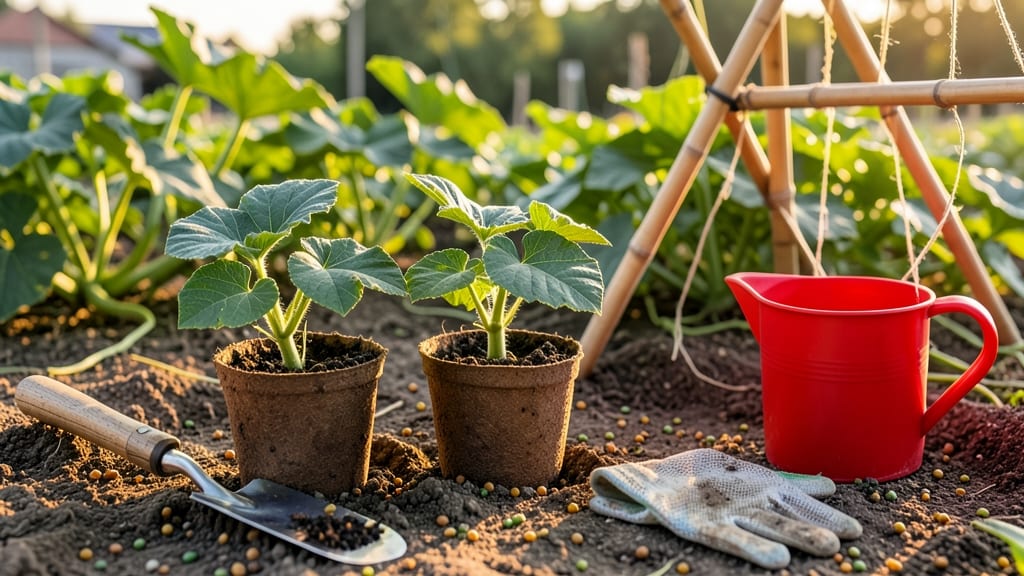
For direct sowing (planting seeds outdoors), wait until nighttime temperatures stay above 55°F (13°C). If you’re starting indoors (4-6 weeks before last frost), use biodegradable pots to avoid transplant shock when moving to the garden.
Ohio’s short growing season demands efficiency. Prioritize fast-maturing varieties if you’re in Zone 6a’s cooler regions. For example, 'Autumn Gold' (85 days) is my go-to for northern Ohio—it consistently produces 5-7 lb pumpkins even with late starts.
Remember: Pumpkins hate cold feet. If your soil is below 60°F (15°C), seeds won’t germinate. Test your soil’s temperature at 4 inches deep for accurate readings. I’ve wasted $20 worth of seeds in the past by planting too early—don’t make my mistake!
For extended harvests, succession plant summer squash every 2 weeks from May through June. This ensures a continuous supply of zucchini and pattypan squash while your main pumpkin crop matures.
🎃
How to adjust pumpkin planting for Ohio’s microclimates and weather quirks
Ohio’s weather can throw curveballs—one week of unseasonable warmth might fool you into planting early, while a late spring frost can wipe out tender seedlings overnight. The key is flexibility. If your last frost date slips past mid-May (common in northern Ohio), don’t panic. With the right adjustments, you can still grow pumpkins successfully. Start by monitoring your local soil temperature—pumpkin seeds need consistent warmth above 70°F (21°C) to germinate reliably. For gardeners in southern Ohio (USDA zones 6b-7), where springs arrive earlier, you might plant direct-sown seeds as early as mid-April under row covers or black plastic mulch. But in northern Ohio (zones 5b-6a), wait until May 15–June 1 to avoid frost damage. If you’re unsure, use a soil thermometer—pumpkins won’t sprout below 60°F (15°C), and growth stalls below 70°F (21°C). Pro tip: Warm the soil faster by laying down black plastic mulch 1–2 weeks before planting.🌱 Key Takeaways for Ohio Pumpkin Growers
- 📅 Late Planting? Choose fast-maturing varieties (75–90 days) if planting after June 1.
- ❄️ Frost Risk? Use row covers or cloches for early starts in cold zones.
- 🌡️ Soil Too Cold? Extend the season with black plastic mulch to warm soil by 5–10°F.
- 🌱 Seedlings Struggling? Harden off transplants gradually to prevent shock.
💡 Pro Move: Test your soil’s pH (6.0–7.0) and add compost for nutrient-rich vines.
🌿 Remember: Ohio’s microclimates mean your neighbor’s perfect pumpkin patch might not work for you. Adjust your planting strategy based on your local frost history and soil conditions—that’s how you turn Ohio’s weather chaos into a bountiful harvest.