
Plants
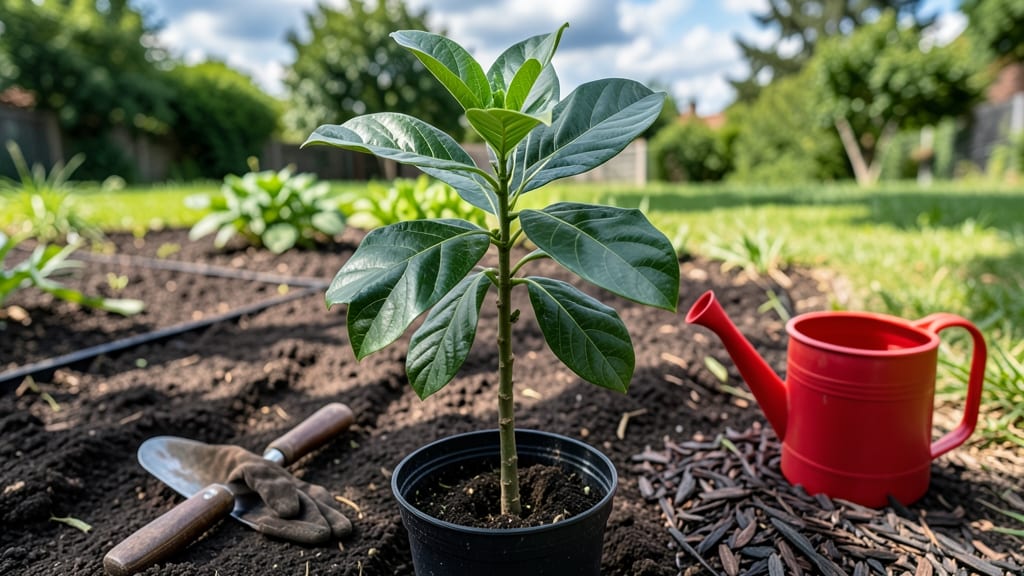
Knowing when to plant an avocado seedling in the soil could mean the difference between a thriving 🥑 tree and a sad, wilted sapling—especially if you're in a cooler climate. The key isn't just waiting for spring; it's about soil warmth, frost risk, and knowing when your young tree can handle the transition from pot to ground.
If you're in USDA Zone 9b or warmer (think Phoenix or coastal California), you might plant year-round—but most gardeners in Zones 8-9a should wait until after the last frost, typically late winter or early spring. The real secret? Soil temperature matters more than calendar dates.
I’ll walk you through the exact warmth-triggered schedule, from checking soil temps to preparing the perfect drainage mix, so your avocado seedling doesn’t just survive—it thrives from day one. Let’s get those roots into the right conditions at the right time.
Whether you’re a first-time grower or a seasoned gardener, these insights will help you avoid common mistakes like overwatering or planting too early. Ready to turn that seedling into a fruit-bearing tree? Let’s dive in.
Optimal soil planting temperature for avocado seedlings (with hardiness zones)
Avocado seedlings thrive when soil temperatures consistently stay above 55°F (13°C). This warmth-triggered rule is non-negotiable—planting too early in cool soil stresses roots, while waiting until soil warms ensures robust growth.
In USDA Zones 8-11, this typically aligns with late spring or early summer, but tropical climates (Zones 10-11) allow year-round planting.
For Zone 9b (e.g., coastal California, Phoenix), aim for March-April when nighttime lows exceed 45°F (7°C). In Zone 8 (e.g., Dallas, Atlanta), wait until May to avoid late frosts. Always check soil temp with a soil thermometer—surface temps can mislead.
Cold soil isn’t the only risk—frost sensitivity is critical. Avocado trees cannot tolerate frost, even as mature specimens. If your last frost date falls after your ideal planting window, opt for container growing and delay outdoor planting until temperatures stabilize.
Here’s how hardiness zones dictate your planting timeline:
| Zone | Optimal Planting Window | Soil Temp Requirement | Frost Risk |
|---|---|---|---|
| Zone 8 (e.g., Dallas, Atlanta) | Late April–May | 55°F+ (13°C+) | High (last frost: March 15) |
| Zone 9a (e.g., San Diego, Orlando) | March–April | 55°F+ (13°C+) | Moderate (last frost: Feb 15) |
| Zone 9b (e.g., Phoenix, LA) | February–April or September–October | 55°F+ (13°C+) | Low (frost-free) |
| Zone 10-11 (e.g., Miami, Hawaii) | Year-round | 60°F+ (16°C+ ideal) | None |
In Zone 9b+, you can plant twice a year: once in spring (Feb-Apr) for summer growth and again in fall (Sep-Oct) to avoid extreme summer heat. For containers, move pots indoors if nighttime temps drop below 50°F (10°C).
Pro tip: If you’re in a transitional zone (e.g., Zone 8b), harden off seedlings indoors by placing them near a south-facing window for 2 weeks before transplanting. This mimics outdoor conditions and reduces shock.
Always test soil drainage before planting—avocados hate soggy roots. Mix in sandy loam or perlite to create a well-draining medium. A simple test: Dig a hole, fill it with water, and time how long it drains. If it takes more than 30 minutes, amend the soil.
Remember: Patience pays off. Rushing seedlings into cold soil or frost-prone periods guarantees failure. Wait for the perfect warmth window, and your avocado will reward you with years of lush growth.
Signs your avocado seedling is ready for soil (and how to prepare it)
Your avocado seedling won’t magically transform into a tree overnight—it needs the right signs of readiness before meeting the soil. Look for 3-4 true leaves (not counting the initial seed leaves) and a height of at least 6 inches.
These clues signal the roots have strengthened enough to handle transplant shock. If your seedling is leggy or has yellowing leaves, it’s not quite ready—give it 2-4 more weeks in its cozy pot.
Once your seedling checks these boxes, soil temperature becomes your next critical factor. Test the soil with a thermometer—it should stay above 55°F (13°C) for at least a week. In cooler zones like USDA 8-9a, wait until late spring when nighttime temps consistently stay above 45°F (7°C).
In frost-free zones (9b-11), you can plant year-round, but spring still offers the best balance of warmth and moisture.
Preparing the soil is just as important as timing. Avocados hate soggy roots, so amend your soil with a mix of sandy loam and perlite or coarse sand (20% perlite for every 80% native soil).
Test drainage by digging a hole, filling it with water, and timing how long it takes to drain—ideal is 30-60 minutes. If water pools after an hour, add more perlite or consider a raised bed to prevent root rot.
Dig a hole twice as wide as the seedling’s root ball but only as deep as the container’s bottom. This encourages roots to spread horizontally rather than sinking too deep.
Gently loosen the roots if they’re circling the pot, then place the seedling so the top of the root ball sits 1-2 inches above soil level. This prevents stem rot from sitting water. Backfill with your amended soil and tap lightly to remove air pockets.
After planting, water deeply but avoid creating a muddy mess—aim for 10-15 gallons spread evenly around the base. Mulch with 2-3 inches of wood chips (keep mulch 6 inches away from the trunk) to retain moisture and regulate soil temperature.
In the first month, water every 5-7 days (less in humid climates) and watch for wilting—this is your cue to adjust your schedule.
Pro tip: If you’re in a cooler zone (8-9a), harden off your seedling by moving it outdoors for 2-3 hours daily over a week before full transplant. Start with shade and gradually increase sun exposure to prevent leaf scorch.
With the right prep, your avocado seedling will transition smoothly and start growing like a tropical powerhouse.