
Plants
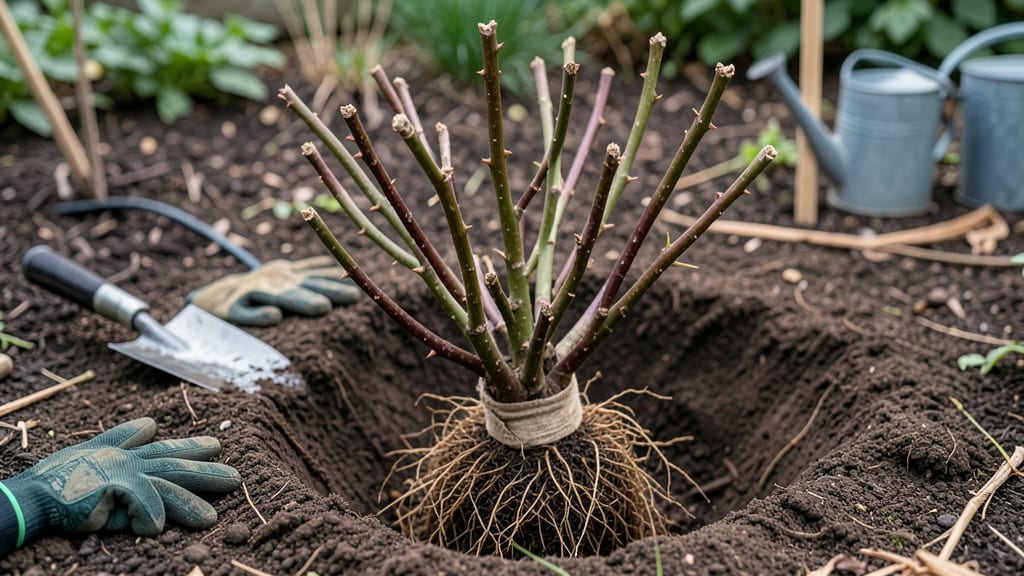
Timing is everything when planting bare root roses in Zone 9—get it wrong, and your 🌹 could struggle to take root before the heat sets in.
Unlike cooler climates, Zone 9's mild winters and scorching summers mean you’ve got a narrow window to plant these delicate roots without risking transplant shock or heat stress.
Most gardeners in Phoenix or Southern California know the golden rule: plant bare root roses between late fall and early spring, but the exact timing matters more than you think.
Too early, and your roses might wake up from dormancy too soon; too late, and they won’t establish strong roots before summer’s relentless sun. Let’s break down the precise window—and the heat-tolerant varieties that thrive here.
What if you missed the ideal window? Don’t panic—we’ll cover how to adjust for late plantings and the critical soil prep steps that make all the difference in Zone 9’s dry climate. With the right approach, your roses can go from bare roots to lush, blooming shrubs in no time.
Ready to plant with confidence? I’ll walk you through the exact months, soil temps, and care tips that’ll give your roses the best shot at success—no guesswork required.

Optimal planting windows for bare root roses in Zone 9’s climate
Zone 9’s mild winters and hot summers create unique challenges for planting bare root roses. Unlike colder zones, you can’t rely on frost to signal the perfect time—soil temperature and rainfall become your best guides.
The ideal window spans from late fall to early spring, but the exact timing depends on whether you’re planting for root establishment or spring blooms.
Most gardeners in Zone 9 aim to plant bare root roses between November and February. This aligns with the plant’s dormant period, when it’s less stressed by heat. However, soil temperatures below 60°F are critical—roots need cool conditions to grow without drying out.
If you miss this window, late winter planting (March) is still possible with extra care, but summer heat stress becomes a major risk.
Here’s the key: Plant when daytime highs stay below 75°F and nighttime lows don’t drop below 45°F. In Southern California, this typically means November through January. In Phoenix, where winters are even warmer, December to early February is safer.
Avoid planting in summer or early fall—the heat will shock the roots, and your roses may wilt before they take hold.
⚠️ Visual Element: Comparison Table
🌿If you’re planting in Zone 9b or 9a, pay attention to microclimates. Coastal areas (like San Diego) stay cooler longer, so you might extend planting into early March.
Inland desert zones (like Phoenix) should avoid planting after February—the soil heats up too quickly, and roots can bake before they establish.
One common mistake is assuming bare root roses can handle Zone 9’s heat if planted in summer. Never do this. The roots are exposed and vulnerable to drying out. Instead, focus on soil moisture retention during the planting window.
Amend your soil with compost and organic matter to hold water, and consider drip irrigation to keep roots consistently moist for the first 4–6 weeks.
For those who must plant in late winter (March), take extra precautions: use shade cloth for the first month, mulch heavily with 3–4 inches of wood chips, and water deeply every 2–3 days.
This mimics the cooler conditions roses prefer. Without these steps, your roses may enter heat stress, showing signs like yellowing leaves or drooping buds.
Timing isn’t just about the calendar—it’s about reading your garden’s signals. Check soil moisture by digging down 6 inches; if it’s dry, wait.
If the ground feels cool to the touch in the morning, it’s likely safe to plant. Bare root roses in Zone 9 thrive when you respect the dormancy period and protect them from summer heat.
Pro tip: Plant on a cloudy day to reduce stress. If you must plant in full sun, do it in the early morning or late afternoon to avoid midday heat.
With the right timing, your bare root roses will establish strong roots and reward you with vibrant blooms by spring.
Remember, Zone 9’s heat is unforgiving for new transplants. The difference between success and failure often comes down to planting in the right window and preparing the soil properly. Stick to November–February, and your roses will thank you with years of lush, healthy growth.
Optimal planting windows for bare root roses in Zone 9’s climate
Zone 9’s unique climate—with its mild winters and scorching summers—demands a precise planting window for bare root roses. Unlike cooler zones, you can’t just plant in early spring.
The ideal time spans late fall to early spring, specifically from November through February, when soil temperatures stay cool and moisture levels are higher.
Why this window? Bare root roses are dormant during these months, meaning they’re less stressed and can focus all their energy on root growth rather than pushing out new leaves. Planting outside this window risks heat stress or premature growth, which weakens the plant before summer arrives.
Here’s the breakdown: November to December is your sweet spot—soil is still warm enough to encourage root development, but not so hot that it dries out too quickly. If you miss this window, January to early February is your second chance, but act fast before soil temps rise.
| Planting Window | Soil Temp | Key Considerations | Risk if Planted |
|---|---|---|---|
| Late Fall (Nov-Dec) | 50-60°F | Cool soil, higher moisture, minimal heat stress | Low |
| Winter (Jan-Feb) | 45-55°F | Soil may dry faster; water deeply | Moderate (if late Feb) |
| Early Spring (March) | 60-70°F | High heat risk; only for heat-tolerant varieties | High (transplant shock) |
If you’re planting in early spring (March), choose heat-tolerant varieties like 'Knock Out' roses and prepare for extra care—like shade cloth and daily watering to protect young roots. Avoid planting in summer or late spring; the heat will dry out the roots before they can establish.
Pro tip: Check your local soil temperature before planting—use a soil thermometer to confirm it’s below 60°F. In Zone 9, this usually aligns with the November to February window, but microclimates (like coastal areas) may extend it slightly.
Timing isn’t the only factor—soil prep and watering strategies are just as critical. Next, we’ll cover how to prepare your soil and care for your roses post-planting to ensure they thrive despite Zone 9’s challenges.