
Plants
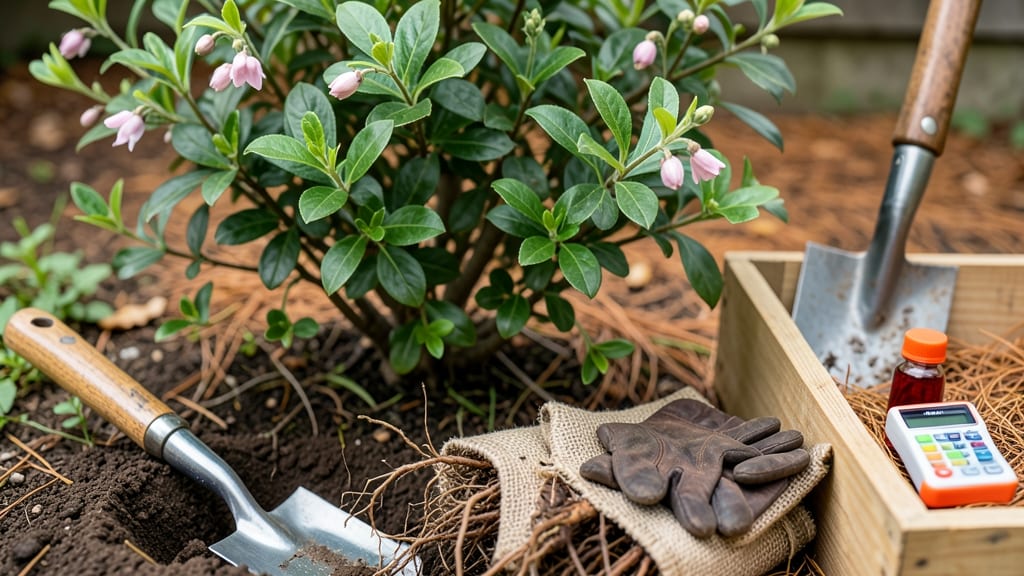
Timing your blueberry planting in Indiana isn't just about the calendar—it's about matching your shrubs' chill-hour needs with your local frost patterns. With USDA zones 5b-6b bringing unpredictable springs, one wrong move could mean stunted growth or wasted plants.
But here's the good news: when you get it right, you'll be harvesting sweet 🫐 berries in July and August for years to come.
Most Indiana gardeners should aim for planting between late March and early May for bare-root varieties, or April through early June if using containerized plants. This window balances soil warmth with frost risks, giving your blueberries the best start.
The key? Checking your last frost date—typically around April 15—and preparing acidic soil (pH 4.5-5.5) beforehand.
What sets Indiana apart is its microclimates—urban areas may warm faster than rural spots, while lake-effect zones can delay spring. We'll show you how to adjust timing based on your specific location, whether you're planting in-ground or containers.
Plus, I'll reveal which 5 varieties thrive best in your zone, including cold-hardy picks like 'Duke' and 'Patriot'.
Ready to turn your backyard into a blueberry powerhouse? Let's dive into the exact planting schedule, soil prep secrets, and post-planting care that will have your bushes bursting with fruit—without the guesswork. Your future July harvest starts with the right timing today.
Indiana’s best blueberry planting months by variety and chill-hours
Indiana’s USDA Zones 5b-6b demand precision when planting blueberries—these shrubs need 300-1,000 chill-hours to thrive. The best window? Late March through early May for bare-root plants or April to early June for containerized varieties. But timing depends on your blueberry type and local microclimate.
Southern Highbush varieties (like ‘Duke’) need 300-400 chill-hours and tolerate Indiana’s mild winters, while Northern Highbush (like ‘Bluecrop’) require 600-900 chill-hours. Rabbiteye types (rare in Indiana) need 500+ chill-hours—not ideal for most Hoosier gardens. Matching your variety to chill-hours ensures fruit production and plant survival.
🌱
For bare-root plants, aim to plant within 2-3 weeks of dormancy (late winter to early spring). Containerized blueberries can wait until soil temperatures hit 40°F (around April 1 in most of Indiana). Use a soil thermometer to confirm—cool soil slows root establishment.
Northern Highbush varieties like ‘Patriot’ (800 chill-hours) or ‘Jersey’ (600 chill-hours) are top picks for Indiana’s colder zones. Southern Highbush types like ‘O’Neal’ (350 chill-hours) suit milder microclimates near lakes or urban areas. Always check your plant’s tag for exact chill-hour requirements.
🌿
Indiana’s last frost date (around April 15) isn’t your only deadline. Plant too early, and roots may freeze. Too late, and plants struggle to establish before summer heat.
A 2-3 week buffer after last frost ensures safety. Use local frost data from the National Weather Service or Old Farmer’s Almanac for precision.
Pro tip: If you miss the spring window, fall planting (September-October) works for containerized plants. They’ll establish roots before winter dormancy. Just avoid planting when soil temps drop below 40°F—roots won’t grow in cold soil.
✂️
How to adjust planting timing for Indiana’s microclimates
Indiana’s climate isn’t one-size-fits-all—urban heat islands in Indianapolis can be 10°F warmer than rural areas near Lake Michigan. These microclimates drastically affect your blueberry planting window. For example, northern Indiana’s chillier zones (like Zone 5b) may safely plant 2-3 weeks earlier than southern Indiana’s Zone 6b areas.
Always check your last frost date using tools like the National Weather Service’s frost calculator for precise timing.
If you’re planting in containers or raised beds, you gain flexibility. Containers warm up faster in spring, letting you plant containerized blueberries 2-4 weeks later than bare-root varieties. However, containers also dry out quicker, so adjust your watering schedule accordingly—expect to water every 1-2 days in summer.
For in-ground planting, wait until soil temperatures reach 45°F at 4 inches deep, a critical threshold for root establishment.
Indiana’s springs are famously unpredictable. If late frosts hit after your planting (common in April), protect young plants with frost cloths or row covers. For a backup plan, plant containerized blueberries in late May—they’ll establish roots faster than bare-root plants in fluctuating conditions.
Lake-effect zones near Lake Michigan or Lake Erie experience delayed springs due to cooler lake breezes. In these areas, delay planting until mid-May to avoid frost damage.
Conversely, urban heat islands (like downtown Indianapolis) may allow earlier planting in late March—but monitor soil moisture closely, as heat accelerates evaporation. Always dig a 1-inch-deep hole near your planting site and fill it with water; if it drains within 2 hours, your soil is ready.
For bare-root blueberries, plant as soon as soil is workable (usually late March to early April in southern Indiana). Soak roots in water for 2-4 hours before planting to revive dormant roots. In northern Indiana, wait until mid-April to align with average last frost dates.
If you miss the window, containerized plants can be planted through early June, though they’ll need extra care to establish before winter.
Adjust your mulching strategy based on microclimates too. In cooler zones, use 3-4 inches of straw mulch to insulate roots. In urban heat islands, opt for wood chips to retain moisture.
Always keep mulch 3 inches away from the trunk to prevent rot. Pair this with drip irrigation for consistent moisture—critical during Indiana’s dry summer months when blueberries are fruiting.
Finally, consider pollination backup plans for isolated plantings. If you’re in a windy area (like northern Indiana), ensure you plant two compatible varieties (e.g., ‘Duke’ and ‘Patriot’) to guarantee cross-pollination.
In sheltered microclimates, hand-pollinate with a soft paintbrush in early spring if bees are scarce. With these adjustments, your blueberries will thrive regardless of Indiana’s ever-changing weather patterns.