
Plants
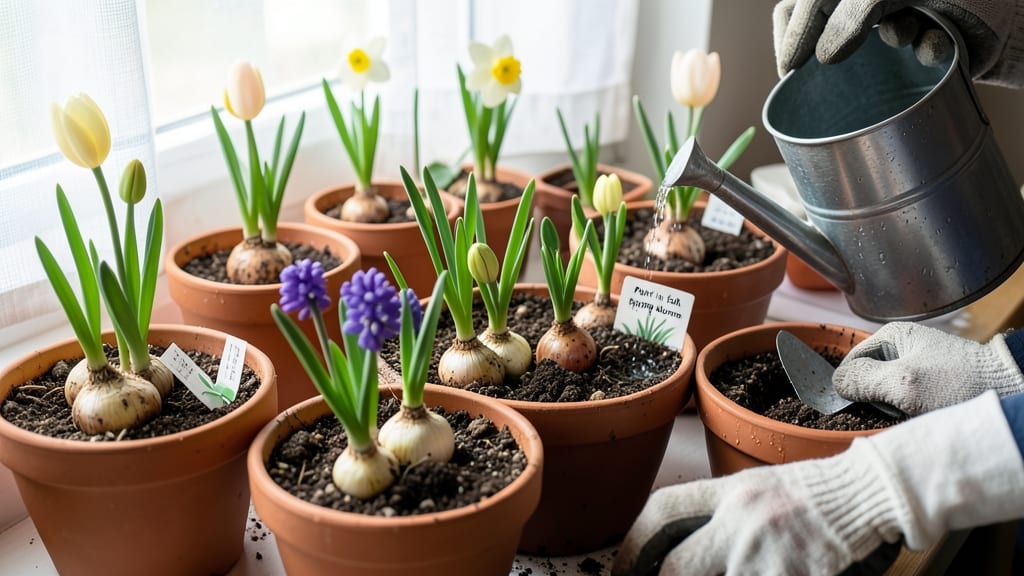
If you’ve ever dreamed of a windowsill bursting with vibrant blooms but struggled with when to plant bulbs in pots, you’re not alone. The timing is everything—plant too early, and your bulbs may rot; too late, and you’ll miss the chance for stunning spring displays.
The key is understanding how seasonal shifts affect these hardy little powerhouses, especially in containers where drainage and warmth play a bigger role than in garden beds.
For most 🌱 bulbs (General) in USDA Zone 6a, fall planting is your golden ticket to spring color. Aim for 6–8 weeks before your first frost (around late September for many regions), giving roots time to establish before winter.
But here’s the twist: spring planting works too, as long as you time it right—after the last frost when soil warms up. The secret? It’s not just about the calendar but also your local microclimate and the specific bulb types you’re growing.
What if you want year-round blooms? That’s where the magic happens. By staggering plantings—think early fall for tulips, winter for hyacinths, and late winter for daffodils—you can create a cascading display that keeps your pots lively from late winter through summer.
And don’t overlook the game-changer of container-specific tricks, like using well-draining soil and pots with drainage holes to prevent the #1 killer of potted bulbs: soggy roots.
Ready to transform your balcony or patio into a floral paradise? I’ll walk you through the exact timing, bulb pairings, and troubleshooting tips to ensure your potted bulbs thrive—no guesswork, just guaranteed blooms. Let’s get started.
Best months to plant bulbs in pots for seasonal blooms
Planting bulbs in pots isn’t just about throwing them in dirt and hoping for the best—it’s about timing to match your climate zone and desired bloom season.
Most spring-blooming bulbs, like tulips and daffodils, need a cold dormancy period to thrive, while summer/winter varieties, like amaryllis, have different triggers. I’ve planted bulbs in pots for years, and I’ve learned that fall planting for spring blooms is the golden rule for most regions.
For USDA Zones 3–7, aim to plant 6–8 weeks before your first frost. In my Zone 6a garden, that means late September to early October.
If you live in warmer climates (Zones 8–10), you can plant as late as December—just ensure bulbs get a cool spell to simulate winter. Spring planting is possible for tender bulbs like calla lilies or gladiolus, but they’ll bloom later in the season.
| Bulb Type | Best Planting Time | Bloom Season | USDA Zones |
|---|---|---|---|
| Tulips | Fall (Oct–Nov) | Spring (Mar–May) | 3–8 |
| Daffodils | Fall (Sep–Oct) | Spring (Feb–Apr) | 3–10 |
| Hyacinths | Fall (Oct–Nov) | Spring (Apr–May) | 4–9 |
| Amaryllis | Spring (Feb–Mar) | Winter (Nov–Jan) | 9–11 |
| Calla Lilies | Spring (Apr–May) | Summer (Jun–Aug) | 7–11 |
If you’re dreaming of year-round blooms, focus on layering bulbs in pots. For example, plant tulips at the bottom (deepest), daffodils in the middle, and crocuses on top. This way, each bulb gets the right light and space, and you’ll see sequential blooms from early spring to late winter.
I’ve used this trick to create a 3-season display in my patio pots, and it’s absolutely magical.
For tropical climates (Zones 10–12), timing shifts dramatically. Bulbs like rain lilies or crinums thrive when planted in late summer (August–September) to bloom in fall or winter. These bulbs don’t need cold dormancy—they respond to monsoon rains or consistent moisture.
If you’re in a mild-winter zone, like Southern California, you can even plant spring bulbs in December for early blooms.
One mistake I see often? Planting bulbs too late in fall when the ground (or pot soil) is already frozen. Bulbs need 6–8 weeks of chilling to develop roots before spring.
If you miss the window, don’t panic—you can force bulbs indoors by chilling them in the fridge for 8–12 weeks before potting. I’ve forced paperwhite narcissus in December for Christmas blooms, and it’s a crowd-pleaser!
Pro tip: Use well-draining potting mix with perlite or sand to prevent rot. Bulbs in pots dry out faster than in-ground, so water deeply after planting and reduce watering once foliage yellows post-bloom.
This signals the bulb to store energy for next year. I’ve lost count of how many bulbs I’ve saved by following this rule—don’t let them dry out completely during dormancy!
For container gardening, pot size matters. A 6-inch pot works for 1–2 small bulbs (like tulips), while a 12-inch pot can hold 3–5 bulbs (like daffodils).
Larger pots with drainage holes are a must—root rot is the silent killer of potted bulbs. I swear by terra-cotta pots for
How to adjust planting times for year-round container blooms
Creating a year-round bloom parade in your pots isn’t just possible—it’s easier than you think. The trick? Strategic staggered planting to ensure one bulb variety fades just as another bursts into color.
For example, plant hyacinths in late winter (February) for early spring blooms, then follow with tulips in early spring (March) and dahlias in late spring (May). This layered approach keeps your pots lively from late winter through summer, with minimal effort.
Don’t overlook winter-blooming bulbs like amaryllis or paperwhites—they thrive in pots and can be forced to bloom indoors during the holidays. Start them in late summer (August) for Christmas displays, or plant them in early fall (October) to enjoy blooms in late winter.
The key is matching the bulb’s natural dormancy cycle with your desired bloom time.
🌱
Place tallest bulbs (e.g., hyacinths) at the back of the pot, medium-height (e.g., tulips) in the middle, and dwarf bulbs (e.g., crocus) at the front. This creates a natural cascading effect as they bloom sequentially.
For holiday blooms (e.g., paperwhites), plant bulbs in well-draining pots and place them in a cool, dark location (60–65°F) for 6–8 weeks before moving to a bright, warm spot (70°F) to trigger flowering.
Plant a new batch of bulbs every 3–4 weeks (e.g., September, October, November) to ensure continuous blooms. For example, September plantings bloom in spring (March–April), while November plantings bloom in late spring (May).
Pair early bloomers (e.g., crocus, snowdrops) with mid-season (e.g., tulips, daffodils) and late bloomers (e.g., alliums, lilies) for a seamless color transition. For instance, white snowdrops (February) pair beautifully with yellow daffodils (March).
Add summer-blooming bulbs (e.g., dahlias, gladiolas) in late spring (May) for mid-to-late summer color. For winter interest, plant amaryllis or paperwhites in late summer (August) to bloom indoors during the holidays.
Pro tip: Use larger pots (12+ inches in diameter) for layered plantings—they provide enough space for multiple bulbs and better moisture retention during dry spells. Fill the pot with well-draining bulb mix (compost + perlite) and plant bulbs 3x deeper than their height to prevent crowding.
For example, a 6-inch tulip bulb should be planted 18 inches deep in a deep pot.
If you’re in a warmer climate (USDA Zones 8–10), adjust your timeline by 2–4 weeks earlier—fall plantings can go in as early as August, and spring plantings can start in February.
The goal is always the same: align bulb dormancy with your desired bloom time while giving roots time to establish before extreme temperatures arrive.
🌿