
Plants
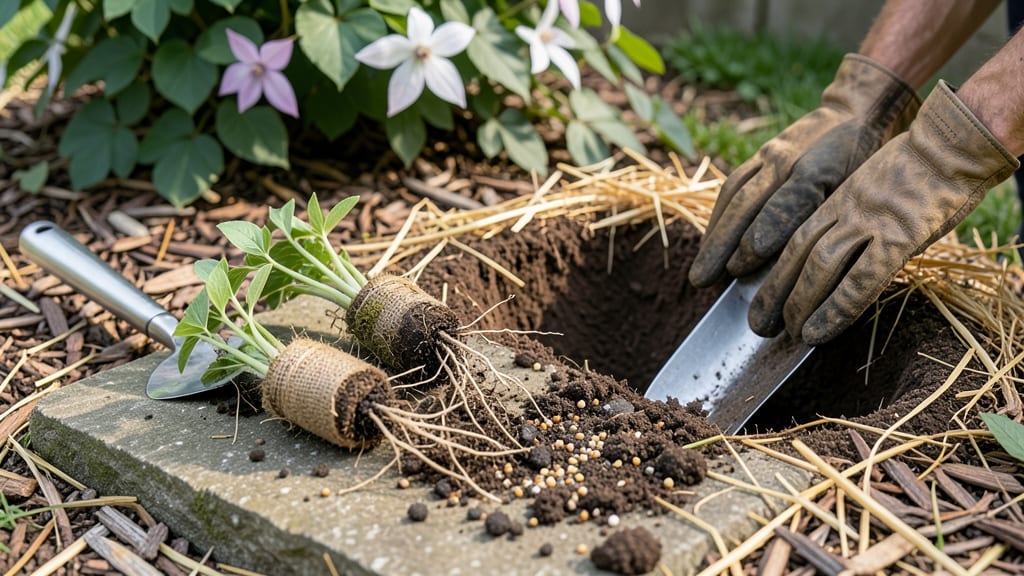
Timing your clematis planting in Michigan could mean the difference between stunning 🌸 blooms and struggling vines struggling to take hold. With the state's 5b-6b hardiness zones and unpredictable spring weather, knowing exactly when to plant is the key to success.
Most gardeners swear by early spring planting, but Michigan's early fall window offers surprising advantages too. The right season depends on your specific microclimate—whether you're in Detroit's urban heat islands or rural areas with cooler nights.
I'll break down both approaches so you can choose what works best for your garden.
You'll discover how to prepare your soil for Michigan's clay-heavy conditions, when to plant bare-root versus potted clematis, and how to protect your new vines from late frosts. These insights will help you avoid common mistakes that lead to winter damage or poor growth.
Let's get your clematis off to the best possible start with planting strategies tailored to Michigan's unique climate challenges. Your future blooms will thank you for paying attention to these details!
Michigan’s best planting seasons for clematis: spring vs fall breakdown
Michigan’s USDA hardiness zones 5b-6b create a unique challenge for clematis growers. Unlike warmer climates, we can’t plant anytime—timing is everything to avoid frost damage or stunted growth. The two best windows are early spring (just after last frost) and early fall (6-8 weeks before first frost).
Each season offers distinct advantages, but one may suit your microclimate better.
For spring planting, aim for mid-April to early May once soil temperatures reach 50°F (10°C). This gives vines time to establish roots before summer heat arrives. However, fall planting (September-October) allows roots to grow slowly in cool soil, reducing transplant shock.
Both methods work, but your choice depends on your local frost dates and soil conditions.
🌱
| Factor | Spring Planting (April-May) | Fall Planting (September-October) |
|---|---|---|
| Best Time | After last frost (mid-April) | 6-8 weeks before first frost (late Sept) |
| Soil Temp | 50-60°F (10-15°C) | 50-55°F (10-13°C) |
| Root Growth | Fast (summer heat) | Slow (cool soil) |
| Frost Risk | Low (if planted late) | Moderate (early frost) |
| Water Needs | High (summer drought) | Moderate (fall rains) |
| Best For | Urban gardens (less competition) | Rural areas (cooler nights) |
Spring planting works best in southern Michigan (Zones 6a-6b) where frost arrives later. In northern Michigan (Zones 4b-5a), fall planting is safer because it avoids late-spring frosts. I’ve found that bare-root clematis planted in fall often outperform potted varieties, as they establish roots before winter dormancy.
One critical mistake I see is planting too early in spring. If you plant before soil warms to 50°F (10°C), roots stay dormant, and vines may rot.
Similarly, fall planting too late risks frost damage before roots establish. Check your local Michigan State University Extension frost dates to pinpoint your exact window.
For container gardening, spring planting is ideal because containers warm up faster. However, if you’re growing in heavy clay soil (common in Michigan), fall planting gives roots time to adapt before summer heat. Always amend clay soil with compost or sand to improve drainage—this is non-negotiable for clematis.
Urban gardeners in Detroit or Grand Rapids often prefer spring planting because city microclimates can be 5-10°F warmer than rural areas. Meanwhile, farmers in Traverse City lean toward fall planting due to cooler nights. Observe your garden’s heat islands—paved areas retain heat longer, which can stress newly planted vines.
After choosing your season, acclimate potted plants for 3-5 days before planting by moving them outdoors during the day and back indoors at night. This hardens off tender roots and prevents shock. For bare-root varieties, soak roots in water for 1-2 hours before planting to rehydrate them.
🌿
Michigan’s best planting seasons for clematis: spring vs fall breakdown
Michigan’s 5b-6b hardiness zones create a delicate balance for clematis planting. While most gardeners default to spring, early fall offers distinct advantages for Michigan’s climate. The key difference lies in soil temperatures and frost risks—both critical factors that determine whether your vines establish strong roots before winter.
Spring planting (March-April) gives clematis a full growing season to mature, but Michigan’s late frosts can still damage tender new growth. Fall planting (September-October), however, allows roots to establish before winter while avoiding summer heat stress. Each approach has unique benefits depending on your local microclimate and variety selection.
⚠️ CRITICAL INSIGHT: Michigan’s last frost dates vary dramatically—Detroit averages mid-April while northern regions may see frost until early May. This variability makes timing even more critical for clematis success.
For spring planting, aim to get clematis in the ground as soon as soil becomes workable—typically when daytime temperatures consistently stay above 50°F (10°C). This usually occurs in southern Michigan by late March, but northern regions may need to wait until April.
The goal is to give roots 6-8 weeks of growth before winter dormancy.
Fall planting requires more precision. Plant 4-6 weeks before your first frost (typically mid-October in most of Michigan) to allow roots to establish without encouraging new top growth. In Zone 5b areas, this means planting by September 20th—any later risks winter kill before roots develop.
My recommendation? For beginners, spring planting offers more forgiveness. But experienced gardeners often prefer fall planting for hardier varieties like 'Jackmanii' or 'Niobe', which establish better roots before winter. The right choice depends on your patience level and willingness to monitor frost dates closely.