
Plants
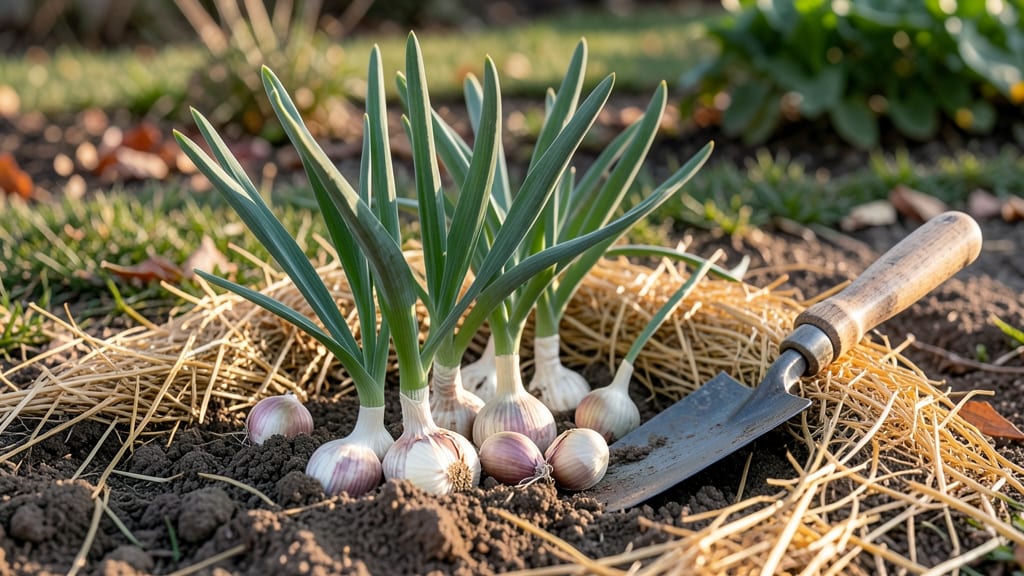
If you've ever wondered when to plant garlic in Vermont, timing is the secret to a bountiful harvest—especially for hardneck varieties that love the Green Mountain State's cold winters.
Planting too early or late can leave you with weak bulbs, and Vermont’s unpredictable frost patterns make the window even trickier to nail.
Here’s the good news: Vermont gardeners have a 4-6 week frost-free window in October that’s perfect for getting garlic in the ground before winter sets in.
This mid-to-late fall planting period lets the cloves establish roots while still benefiting from the cold, which is crucial for hardneck garlic to develop those prized, flavorful bulbs.
But it’s not just about the calendar—soil prep and understanding your specific USDA zone (4b-6a) make all the difference. Whether you’re in Burlington’s cooler microclimate or the warmer valleys of the Champlain Valley, I’ll break down exactly what to do to set your garlic up for success.
Let’s dive into the ideal planting schedule, soil tips, and common mistakes to avoid so you can grow garlic that’s ready for harvest next summer. Your future meals—and your neighbors’ envy—will thank you.
Best planting months for hardneck garlic in Vermont’s climate zones
Vermont’s cold winters and short growing seasons make timing critical for hardneck garlic success. Unlike milder climates, Vermont’s USDA zones 3-5 demand precise planting to ensure bulbs mature before summer heat arrives.
The ideal window is October 1-15, when soil temperatures hover around 40-50°F—perfect for root establishment before winter dormancy.
Planting too early (before September 15) risks premature sprouting, while waiting until November leaves garlic vulnerable to frost heave or poor bulb formation. Vermont’s average last frost (November 15) acts as your deadline—plant at least 4-6 weeks before to allow roots to anchor before freezing.
Soil temperature is your best indicator. Use a soil thermometer to confirm 40-50°F at 4-inch depth. In northern Vermont (Zone 3), aim for October 1-10; in southern Vermont (Zone 5), October 10-20 works best.
This timing aligns with Vermont’s 150 frost-free days, ensuring garlic completes its 120-180 day growth cycle by harvest.
🌱Pro Tip: Vermont’s rocky, acidic soils often need amendment. Test your soil’s pH (6.0-7.0) and organic matter (3-5%) before planting—this directly impacts bulb size and flavor.
| Zone | Ideal Planting Window | Soil Temp (°F) | Key Consideration |
|---|---|---|---|
| 3 (Northern VT) | October 1-10 | 40-45°F | Shorter growing season; prioritize early planting |
| 4 (Central VT) | October 5-15 | 45-50°F | Balanced frost risk; aim for mid-October |
| 5 (Southern VT) | October 10-20 | 50-55°F | Longer season; can extend to early November |
| All Zones | Avoid after November 15 | N/A | Risk of frost heave and poor bulb formation |
Vermont’s microclimates add complexity. Elevated areas (e.g., Stowe) freeze sooner—plant by October 1. Valley regions (e.g., Burlington) can wait until October 15. Check local USDA frost maps or ask your Vermont Cooperative Extension office for precise dates.
Spring planting is not recommended in Vermont. Garlic planted in March-April often produces smaller, pungent bulbs with poor storage life. The fall-planted garlic undergoes vernalization (cold treatment), triggering larger bulb development—a critical advantage for Vermont’s short summers.
For organic gardeners, Vermont’s compost-rich soils are ideal. Mix in 2-3 inches of compost or well-rotted manure before planting. Avoid fresh manure, which can burn garlic roots and attract pests like garlic moths—a common issue in Vermont’s humid summers.
🌿Local Tip: Save seeds from your best Vermont-grown garlic for next year’s crop. Hardneck varieties like ‘German White’ or ‘Music’ adapt well to Vermont’s climate and often outperform store-bought cloves.
After planting, mulch heavily with straw (4-6 inches) to insulate bulbs through winter. In Zone 3, add an extra 2 inches of mulch to prevent frost damage. Remove mulch in early spring (March) to allow soil to warm and resume growth.
Timing your garlic planting in Vermont isn’t just about calendar dates—it’s about soil science and climate adaptation. By following these zone-specific guidelines, you’ll ensure plump, flavorful bulbs ready for July-August harvest, just in time for Vermont’s garden-fresh recipes.
Optimal planting window for Vermont garlic: October 15–30 explained
Vermont’s USDA zones 4b-6a demand precision when planting garlic, but the October 15–30 window is your sweet spot. This period ensures cloves root before winter while benefiting from cold stratification—a must for hardneck varieties.
The key? Planting 4-6 weeks before the first hard frost, which typically hits Vermont between October 20–November 5.
Soil temperatures matter more than air temps. Aim for 40–50°F (4–10°C)—warm enough for root growth but cool enough to prevent sprouting. Use a soil thermometer to check; if temps drop below 32°F (0°C), cover beds with straw mulch (4–6 inches) to insulate cloves.
Here’s why this window works: Garlic needs 60–90 days of cold to form bulbs, and Vermont delivers. Planting too early (before October 1) risks soft, weak cloves from excess moisture, while planting after November 1 may leave cloves stunted by early frost.
| Stage | Action | Vermont Timing |
|---|---|---|
| Soil Prep | Test pH (6.0–7.0), add compost | September 15–October 1 |
| Planting | Cloves 2" deep, 6" apart | October 15–30 |
| Cold Stratification | 60–90 days below 40°F | November–March |
| Spring Growth | Shoots emerge, fertilize lightly | April–May |
| Harvest | Lower leaves brown, tops dry | Late June–July |
Need to adjust for early/late frosts? Check the Vermont Weather Underground or local USDA frost maps. For example, Burlington’s last frost often comes 2 weeks earlier than southern Vermont. If frost hits early, plant hardier varieties like 'German White' or use row covers.
Pro tip: Plant a test row in late September to see how your soil behaves. If cloves sprout before winter, delay your main planting. The goal is root establishment without premature growth—this window nails it.
With this timing, your garlic will emerge strong next spring, ready for 6+ hours of sun daily and a summer harvest packed with flavor. Don’t miss this frost-free window—it’s your ticket to plump, hardneck bulbs! 🌱