
Plants
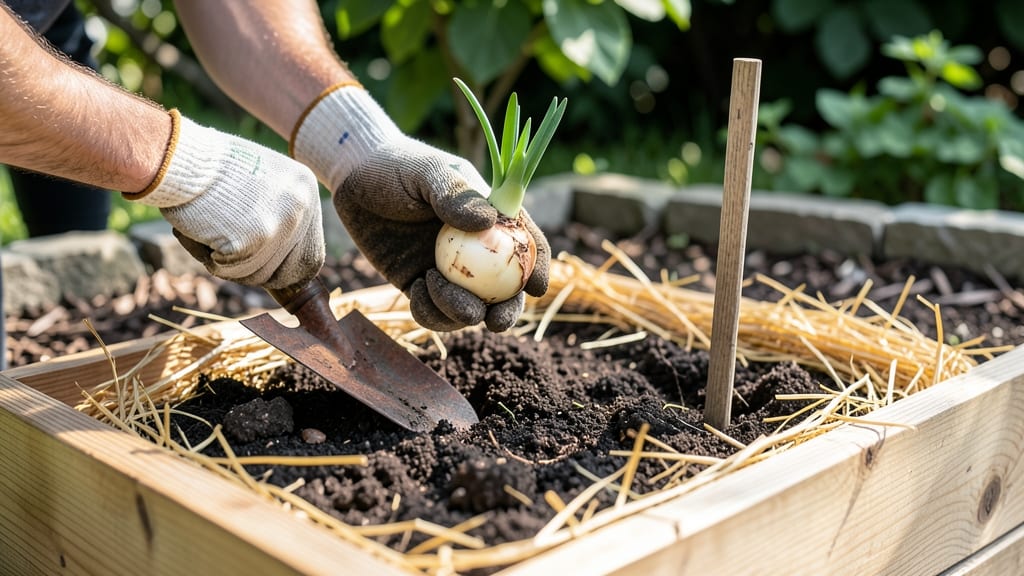
Timing your gladiolus bulbs planting in Oklahoma could mean the difference between dramatic summer blooms and wasted effort—especially when spring weather throws curveballs. The 6b-7a zone gives you a narrow window to get those 🌸 sword-shaped beauties in the ground just right, before the heat sets in.
Most gardeners here wait until late March or early May, but soil temperature is the real game-changer. Planting too early when the ground is still chilly can stall growth, while waiting too long risks stunted blooms.
I’ll show you exactly how to read your soil’s cues and adjust for Oklahoma’s unpredictable swings from frost to 90-degree days.
You’ll also discover whether to start with bulbs or seeds, how deep to tuck them in for maximum strength, and the best varieties that thrive in our heat. Let’s skip the guesswork and get those gladiolus roots growing when they’ll love it most.
Ready to turn your garden into a summer spectacle? The clock’s ticking—literally. Your perfect planting window starts with a simple soil check, and I’ll walk you through every step to make it foolproof.
Oklahoma’s ideal gladiolus planting timeline by soil temperature
Gladiolus bulbs thrive when planted at the right soil temperature, which in Oklahoma typically means waiting until the ground warms to at least 55-60°F. This timing ensures strong root development before summer’s intense heat arrives.
For most of the state—especially USDA zones 6b-7a—this usually falls between late March and early May, but exact dates vary by region.
Northern Oklahoma (e.g., Oklahoma City, Tulsa) often experiences later last frost dates, around April 15-20, so gardeners there should wait until mid-April to plant. In contrast, southern areas like Lawton or Altus can plant as early as late March thanks to warmer soils and earlier frost-free periods.
Use a soil thermometer to confirm readiness—planting too early in cold soil can stunt growth, while waiting too long risks missing the peak blooming window of July-September. Aim for a 4-6 week lead time before your area’s last frost date to maximize flower production.
🌱
| Region | Last Frost Date | Ideal Planting Window | Soil Temp Trigger | Bloom Time |
|---|---|---|---|---|
| Northern OK (Oklahoma City, Tulsa) | April 15-20 | Mid-April to early May | 55-60°F | July-August |
| Central OK (Norman, Stillwater) | April 1-10 | Late March to mid-April | 55-60°F | June-July |
| Southern OK (Lawton, Altus) | March 15-25 | Late March to early April | 55-60°F | May-June |
| Western OK (Amarillo, Guymon) | April 25-May 5 | Late April to early May | 55-60°F | July-August |
Note: Adjust planting dates 1-2 weeks earlier for southern exposures or later for northern/north-facing gardens.
To calculate your exact planting window, subtract 4-6 weeks from your area’s average last frost date. For example, if your last frost is April 15, plant bulbs between March 15-25. This timing ensures healthy root establishment before Oklahoma’s summer heat peaks in June.
For extended blooms, consider staggered planting: sow half your bulbs at the ideal time, then plant the remaining half 2-3 weeks later. This technique spreads out flowering from June through September, giving you a continuous display of those striking sword-shaped blooms.
If you’re unsure about your local frost dates, check the Oklahoma Mesonet or your county Cooperative Extension Service for precise data. These resources provide hyper-local insights that generic planting charts often miss.
Pro tip: In drought-prone years, prioritize planting in well-draining soil with added compost to retain moisture. Gladiolus bulbs are drought-tolerant once established, but they need consistent moisture during their first 6-8 weeks of growth.
🌿
How to adjust planting dates for Oklahoma’s unpredictable weather patterns
Oklahoma’s spring frost risks and sudden heatwaves can throw off even the most experienced gardener’s planting schedule. A late freeze in April or a 90°F heatwave in May might tempt you to delay, but gladiolus bulbs need consistency—especially soil temperatures between 55-60°F to sprout reliably.
I’ve learned the hard way that waiting too long means smaller blooms or no blooms at all.
Your best defense? Staggered planting and microclimate awareness. Northern Oklahoma (like Oklahoma City) often sees frost until mid-April, while southern areas (Tulsa) may be frost-free by mid-March.
Use these regional cues to fine-tune your timeline and avoid losing your entire crop to a single late freeze.
Here’s how to adapt: If your area gets a late frost warning, hold off until after May 1—but only if your soil is warm enough. A soil thermometer is your new best friend.
For heatwaves, plant early bulbs in March and late varieties in late April to spread out your blooming season from July to September.
⚠️ Warning: Don’t Plant Too Early!
Cold soil (below 50°F) can cause rot or delayed sprouting. If you plant in February, use row covers or wait until soil warms. No exceptions—gladiolus bulbs won’t tolerate Oklahoma’s unpredictable swings.
For extra protection, add a 2-3 inch layer of mulch after planting. This keeps soil warm, retains moisture, and shields young shoots from temperature fluctuations. I’ve seen black plastic mulch raise soil temps by 5-10°F, which is a game-changer for late-season plantings.
If drought hits, prioritize watering newly planted bulbs for the first 3 weeks—they’re most vulnerable then. Deep watering once a week (1 inch total) trumps frequent shallow drinks. And if your area gets heavy rains, amend clay soil with compost to prevent waterlogging, which can drown bulbs.
Pro tip: Plant half your bulbs in March and the rest in late April. This staggered approach ensures continuous blooms and hedges against weather surprises. Your gladiolus will thank you with taller stems and brighter blooms all summer long.