
Plants
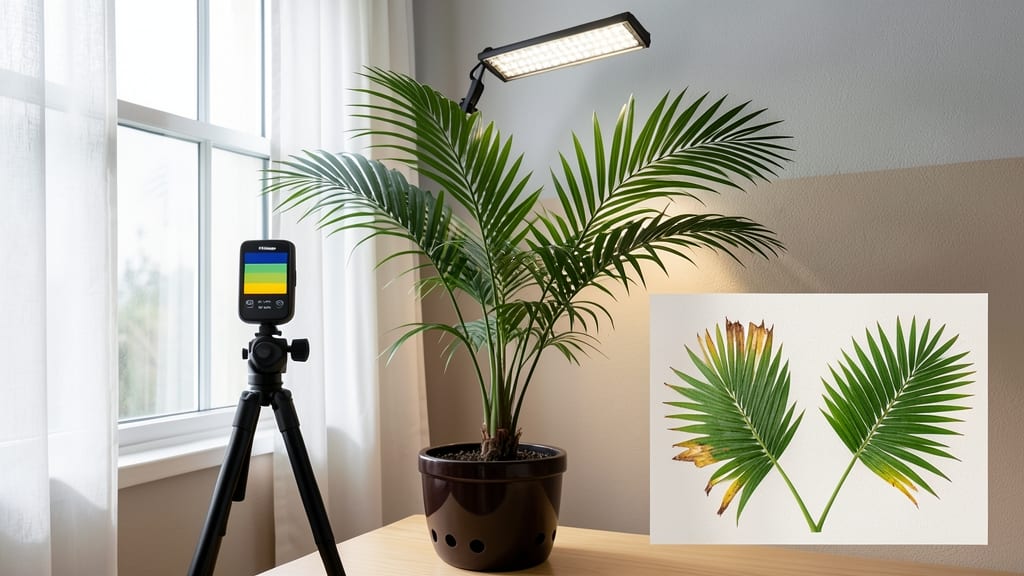
If you’ve ever wondered how much light does a palm plant need to thrive, the answer might be simpler—and more critical—than you think. Too little, and it grows weak; too much, and those lush fronds start browning at the edges.
The key to keeping your palm thriving lies in understanding its unique light needs, which can make all the difference between a healthy, towering beauty and a sad, struggling houseplant.
Most palms crave bright, indirect sunlight, making them perfect for homes with plenty of natural light but no harsh midday rays. Whether you’re dealing with a towering Canary Island palm or a compact Parlor palm, getting the balance right is the game-changer for their growth.
Let’s break down exactly how much light your palm needs to flourish and how to spot when it’s not quite right.
You might be surprised to learn that many common indoor palms actually thrive in spaces with filtered sunlight—think east-facing windows or spots just a few feet back from a south-facing one.
The trick is avoiding direct sun, which can scorch delicate fronds, while still ensuring they get enough light to photosynthesize properly. I’ll show you how to tweak your home’s lighting setup to create the ideal conditions for your palm’s success.
From identifying the perfect spot in your home to troubleshooting common light-related issues like yellowing leaves or slow growth, this guide will give you all the tools you need.
Whether you’re a first-time palm parent or a seasoned plant enthusiast, mastering the art of palm lighting will transform your plant care routine—and keep your 🌴 palm looking its absolute best.

Ideal light requirements for palm plants: bright indirect sunlight explained
Palm plants thrive in bright indirect sunlight, but their exact needs vary by species. Most palms prefer 6-8 hours of filtered light daily, mimicking their tropical origins. Understanding this balance prevents common issues like yellowing fronds or stunted growth.
Think of palm light needs like a goldilocks zone: too little light causes pale, weak fronds, while too much direct sun leads to brown, crispy tips. The key is replicating the dappled sunlight of their native forests.
| Palm Type | Light Needs | Ideal Location | Signs of Stress |
|---|---|---|---|
| Areca Palm | Bright indirect light | East or west window | Brown leaf tips |
| Kentia Palm | Low to medium indirect light | North window or 10ft from south | Yellow fronds |
| Majesty Palm | Full sun to partial shade | Outdoor patio or large window | Slow growth |
| Parlor Palm | Low light tolerance | Any room, even north-facing | Leggy stems |
| Bismarck Palm | Bright indirect light | South window with sheer curtain | Brown patches |
For outdoor palms, position them where they receive morning sun and afternoon shade. This prevents leaf scorch while still providing enough energy for growth. In containers, rotate your palm quarter-turn weekly to ensure even light exposure.
Indoor palms often struggle with low-light conditions. If your home lacks natural light, supplement with grow lights (12-14 hours/day) positioned 6-12 inches above the plant. LED grow lights with a 5000-6500K color temperature work best for palms.
Watch for these light-related warning signs: brown patches on fronds indicate too much direct sun, while yellowing leaves signal insufficient light. Adjust placement gradually—don’t move palms suddenly, as this can cause leaf drop.
Outdoor palms in hot climates need afternoon shade during peak summer months. Use lightweight shade cloth (30-50% coverage) to filter harsh rays while maintaining humidity levels. Mulching around the base helps regulate soil temperature.
Remember, palm leaves are sensitive to sudden light changes. If you bring an outdoor palm inside for winter, acclimate it gradually over 1-2 weeks to prevent shock. This slow transition mimics natural seasonal changes in their native habitats.
For new palm owners, start with a low-light tolerant variety like the Parlor Palm. These adapt better to indoor conditions and forgive occasional light mistakes. Once you understand their needs, you can graduate to more demanding species like the Areca or Majesty Palm.
Pro tip: Place your palm near a humidifier if your home has dry air. Palms thrive in 60-80% humidity, and proper light exposure works hand-in-hand with maintaining these moisture levels for optimal growth.
How to adjust your home’s lighting for palm plant success
Not all homes have natural bright indirect sunlight, but with the right adjustments, you can create the perfect environment for your palm plants. Start by identifying the sunniest spots in your home—south-facing windows are ideal, while north-facing windows offer the least light.
If your palms are struggling, it’s time to get creative with grow lights or strategic placement.
For low-light spaces, consider moving your palm to a sunroom or near a skylight. If that’s not an option, LED grow lights with a full-spectrum bulb can mimic natural sunlight.
Place the light 6-12 inches above the plant and keep it on for 12-14 hours daily to compensate for weak natural light.
⚠️ WARNING
⚠️ Avoid these lighting mistakes:
- Direct afternoon sun can scorch fronds—use sheer curtains to diffuse harsh rays.
- Placing palms in dark corners leads to yellowing leaves and weak growth.
- Overwatering in low-light conditions causes root rot—always check soil moisture first.
Pro Tip:
Rotate your palm quarter-turn weekly to ensure even growth toward the light source.
If your palm shows signs of light deficiency—like slow growth or pale fronds—it’s time to act. Gradually increase light exposure over 1-2 weeks to avoid shocking the plant. For outdoor palms, move them to a sheltered patio during peak sun hours to balance their needs.
For indoor palms, group them near windows with other light-loving plants like ferns or calatheas. This creates a microclimate that retains humidity and softens light intensity. If you notice brown tips, it could signal underwatering in bright light—adjust your watering schedule to every 5-7 days in warmer months.
Remember, every palm variety has slight differences. Dwarf palms like the Parlor Palm tolerate lower light, while tropical palms like the Majesty Palm thrive in bright, filtered light. Tailor your approach based on your specific palm’s needs to keep it lush and healthy.