
How To
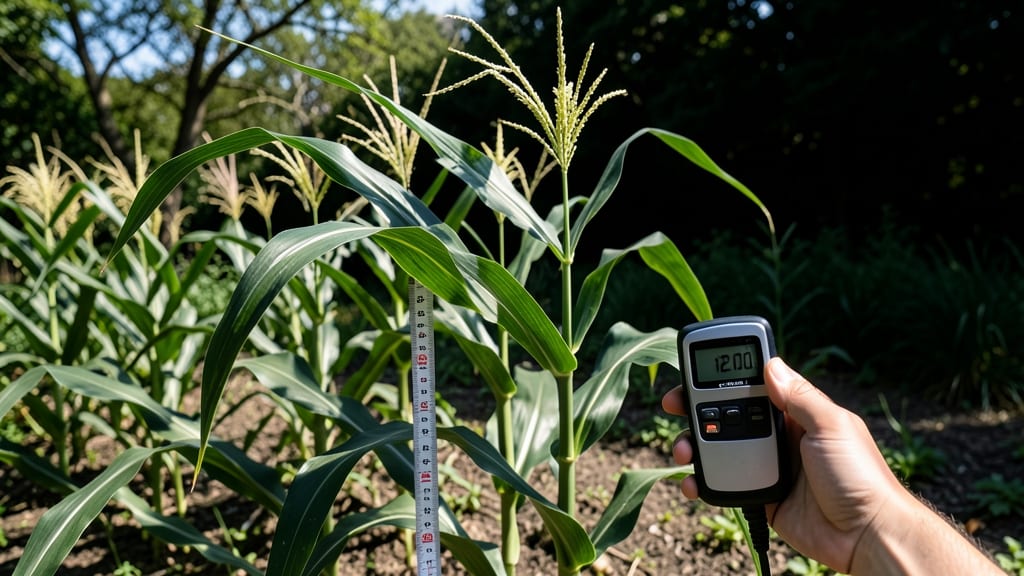
If your 🌽 corn plants are struggling to grow tall and strong, you might be missing the mark on their light needs. Unlike many plants, corn thrives in bright conditions—but not every sunny spot works equally well.
Understanding exactly how much light corn needs can mean the difference between a bountiful harvest and a disappointing one.
Most gardeners assume corn just needs "full sun," but the truth is more nuanced. While young seedlings can handle 4-6 hours of sunlight, mature plants demand 6-8+ hours of direct light daily to develop those plump, flavorful ears.
Too little light, and your stalks will stretch weak and leggy; too much, and they might scorch or struggle to set kernels.
I’ve seen firsthand how adjusting light exposure can transform a struggling corn patch into a thriving one. Whether you’re dealing with partial shade or intense afternoon sun, there are smart ways to optimize conditions for each growth stage.
Let’s break down the exact light requirements and how to meet them—so you can grow corn that stands tall and produces like a pro.
From seedlings to tasseling, we’ll cover how to spot light stress, adjust for your climate, and even use companion plants to improve growing conditions. By the end, you’ll know exactly how to give your 🌽 corn the perfect light balance for a harvest you’ll be proud of.

Ideal light requirements for corn plants: low to medium brightness explained
Corn plants are sun lovers, but their light needs change dramatically from seedling to mature plant. While they thrive in full sun, understanding the nuances of direct vs. indirect light and growth-stage requirements is key to avoiding common mistakes.
Too little light leads to weak stalks, while too much can scorch tender leaves—both are easily preventable with the right knowledge.
Most gardeners assume corn needs unfiltered sunlight all day, but young seedlings actually prefer gentler morning light to avoid stress. Mature plants, however, demand 6-8 hours of direct sunlight daily for proper ear development.
The difference between these stages often determines whether your corn reaches harvestable maturity or flops over before producing kernels.
Here’s the breakdown of light needs by growth stage, including how to spot deficiencies and adjust your garden setup for optimal results:
| Growth Stage | Light Requirement | Signs of Insufficient Light | Signs of Over-Exposure |
|---|---|---|---|
| Seedlings (0-2 weeks) | Indirect light (4-6 hours/day) Bright, diffused sunlight |
Leggy, weak stems Pale yellow leaves |
Brown leaf tips Wilting |
| Vegetative (2-6 weeks) | Direct sun (6+ hours/day) Morning sun preferred |
Slow growth Red/purple undersides |
Sunburned patches Crispy leaf edges |
| Flowering (6-10 weeks) | Full sun (8+ hours/day) Unfiltered afternoon sun |
Small, underdeveloped tassels Poor ear formation |
Bleached leaves Stunted growth |
| Mature (10+ weeks) | Full sun (6-8 hours/day) Afternoon shade in hot climates |
Weak stalks Low kernel yield |
Leaf scorch Reduced photosynthesis |
For container-grown corn, place pots in the sunniest spot possible—south-facing windows or balconies receive the most light. If your space lacks natural sunlight, supplement with a grow light (12-16 hours/day) during early growth stages. LED grow lights with a full-spectrum bulb mimic natural sunlight and prevent leggy seedlings.
In shady gardens, prioritize dwarf corn varieties like 'Golden Bantam' or 'Tom Thumb,' which tolerate partial shade better than standard types. These varieties still need at least 4-6 hours of direct light daily, but they adapt better to indirect conditions.
Pair them with sun-loving companions like beans or squash to maximize light efficiency in shared spaces.
Climate plays a huge role in light needs. In northern climates, corn benefits from extended daylight hours (June-August), while southern gardens may need afternoon shade to prevent heat stress. Always monitor your plants for color changes—healthy corn leaves are deep green, not yellow or purple.
Pro tip: Use a light meter or observe your garden’s sun patterns. If shadows linger past 4 PM, consider relocating your corn or installing a reflective surface (like white walls or mirrors) to bounce extra light onto the plants.
How to adjust light for different corn plant growth stages
Adjusting light exposure at each growth stage is the secret to growing strong, productive corn plants. Seedlings, vegetative plants, and flowering corn all have different needs, and transitioning them too quickly between light conditions can cause stress.
I’ve learned that gradual adjustments—especially when moving plants from shade to sun—are crucial for avoiding shock and ensuring healthy development.
For seedlings (0-2 weeks), start with 4-6 hours of indirect light daily. Place them near a bright, east-facing window or under a grow light on a timer for 12-14 hours.
Avoid direct midday sun, which can scorch tender leaves. If using containers, rotate them daily to prevent leaning toward the light source.
When seedlings reach 2-3 inches tall, it’s time to harden them off by gradually increasing direct sunlight. Begin with 1-2 hours of morning sun and slowly extend exposure over 5-7 days.
This acclimation period helps prevent sunburn and encourages sturdy stalk development. Skip this step, and you’ll end up with weak, leggy plants that flop over later.
- 🌱 Seedling Stage (0-2 weeks): 4-6 hours indirect light → Use sheer curtains or grow lights. Avoid direct sun.
- 🌿 Vegetative Stage (2-6 weeks): 6+ hours direct sun → Gradually increase exposure over 1 week. Morning sun preferred.
- 🌾 Flowering Stage (6-10 weeks): 8+ hours full sun → Ensure unfiltered afternoon sun for ear development.
- 🌽 Mature Stage (10+ weeks): 6-8 hours sun → Provide afternoon shade in hot climates to prevent stress.
Pro Tip: Use a reflective surface (like white aluminum foil) behind containers to double light exposure without extra space.
During the vegetative stage (2-6 weeks), corn plants need 6+ hours of direct sunlight daily. This is when they develop their leaf canopy and begin forming stalks. If your garden lacks sufficient light, consider using reflective mulch or moving containers to sunnier spots.
In low-light conditions, supplement with a full-spectrum LED grow light for 14-16 hours per day to prevent slow growth.
When corn enters the flowering stage (6-10 weeks), it demands 8+ hours of full sun daily. This is critical for tassel and ear development.
If your plants are in partial shade, prioritize dwarf varieties like 'Silver Queen' or 'Country Gentleman,' which tolerate slightly less light than standard types. For container-grown corn, rotate pots weekly to ensure even light exposure on all sides.
Finally, mature corn (10+ weeks) still needs 6-8 hours of sunlight, but afternoon shade becomes beneficial in hot climates to prevent leaf scorch. If your garden has intense afternoon sun, use lightweight shade cloth (30-50%) to protect plants without reducing photosynthesis.
Always monitor for color changes—healthy leaves should remain deep green, not yellow or purple.