
Plants
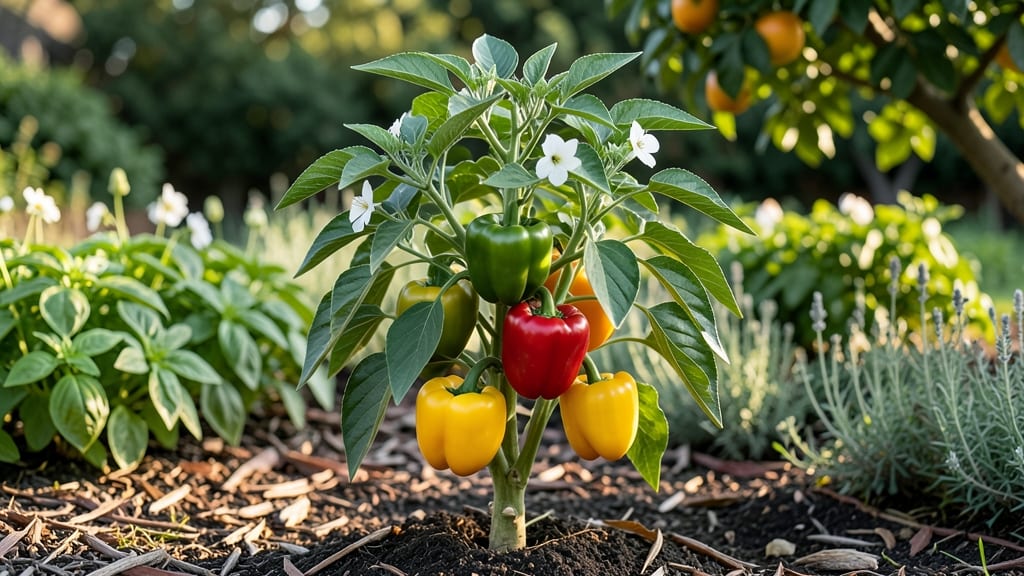
If you're dreaming of a thriving pepper garden but wondering "how tall does a pepper plant grow", the answer depends more on the variety than you might think.
Some compact 🌶️ peppers stay under 2 feet, while others stretch toward the sky like 4-foot giants—each requiring different care to reach their full potential.
Whether you're working with space-saving dwarf varieties or ambitious standard types, getting the spacing right is the key to avoiding crowded plants and poor yields. The right support—like cages or stakes—can also make a huge difference in how tall your peppers grow and how productive they become.
In this guide, I’ll break down the height ranges for common peppers, from bell peppers to fiery jalapeños, and share pro tips for spacing and support. You’ll learn exactly how to give your plants room to thrive without sacrificing your garden’s layout.
Ready to grow peppers that reach their full height—and their full flavor? Let’s get started with the variety-specific details you need to plan your perfect harvest.

Pepper plant heights by variety: from dwarf to giant
Pepper plants come in a surprising range of heights, from 12-inch dwarf varieties perfect for containers to 5-foot-tall giants that need sturdy support. The height you can expect depends entirely on the variety and growth habit, whether it's a compact bush type or a sprawling vine.
Understanding these differences helps you plan your garden layout and choose the right support structures to maximize growth and yield.
Most pepper plants fall into three height categories: dwarf (1-2 feet), semi-dwarf (2-3 feet), and standard (3-4 feet). Some specialty varieties, like certain habaneros or long cayennes, can even reach up to 5 feet when given proper care.
The key to getting the most out of your peppers is matching their mature height with the right spacing and support.
For example, bell peppers typically grow to 2-3 feet tall and produce heavy fruit that benefits from cage support. In contrast, jalapeños often stay shorter at 18-24 inches but may spread wider, requiring more horizontal space.
Meanwhile, habanero varieties can grow 3-4 feet tall with long, bushy growth habits that need pruning to maintain shape.
| Variety | Mature Height | Growth Habit | Ideal Support |
|---|---|---|---|
| Bell Pepper (e.g., 'California Wonder') | 2-3 ft | Bushy, upright | Cage or stake |
| Jalapeño (e.g., 'Early Jalapeño') | 18-24 in | Compact, spreading | None or small cage |
| Habanero (e.g., 'Carolina Reaper') | 3-5 ft | Tall, bushy | Tall stake or trellis |
| Dwarf Chili (e.g., 'Apache') | 12-18 in | Very compact | None (container-friendly) |
| Long Cayenne (e.g., 'NuMex') | 3-4 ft | Tall, slender | Tall stake or trellis |
If you're growing peppers in containers or small spaces, dwarf varieties like 'Apache' or 'Snack Mix' are ideal—they thrive in 5-gallon pots and rarely exceed 18 inches. These compact types are perfect for balconies or windowsills, as long as they get plenty of sunlight and consistent watering.
Their smaller stature also makes them easier to protect from pests and diseases that might affect taller varieties.
For taller varieties like habaneros or long cayennes, you'll need to plan for 3-5 feet of vertical growth. These plants benefit from trellises or sturdy stakes to support their weight, especially when laden with fruit.
Without support, they can become top-heavy and prone to falling over, which can damage the plant and reduce yield. Pruning can also help manage their height and encourage bushier growth with more peppers.
When selecting varieties for your garden, consider not just height but also fruit production and heat tolerance. Some taller varieties produce more peppers but may require more maintenance, while dwarf types offer convenience with slightly lower yields.
For example, a 2-foot-tall jalapeño might produce 20-30 peppers per plant, while a 4-foot habanero could yield 50+ peppers if given proper care and space.
One common misconception is that all pepper plants need the same amount of space. In reality, spacing depends entirely on mature height and growth habit.
A 3-foot bell pepper needs at least 18 inches of space between plants, while a 1-foot dwarf chili can often be planted just 12 inches apart.
Proper spacing ensures good airflow, which reduces the risk of fungal diseases like powdery mildew and helps each plant access the nutrients it needs.
To maximize your garden's efficiency, consider interplanting taller varieties with shorter ones. For example, place 3-foot habaneros at the back of your garden bed and 18-inch jalapeños in front.
This vertical layering not only saves space but also makes it easier to harvest peppers at different heights without bending over too much. Just be mindful of each variety's sunlight and water needs to avoid competition.
If you're new to growing peppers, start with a mix of medium-height varieties like bell peppers or banana peppers. These are forgiving, productive, and give you a good sense of how your garden space works before tackling taller or more
Pepper plant heights by variety: from dwarf to giant
When planning your garden, knowing how tall does a pepper plant grow helps you choose the right spot and support. Pepper varieties range from dwarf types under 2 feet to tall vining varieties reaching 5 feet.
The key difference? Some grow as compact bush plants, while others need vertical support to reach their full height.
Dwarf varieties like ‘Tiny Tim’ bell peppers stay under 18 inches, making them perfect for containers or small gardens. On the other end, ‘Carolina Wonder’ bell peppers or ‘Habanero’ chilis can grow 4–5 feet tall without support.
Understanding these differences ensures you give each plant the space it needs to thrive.
| Variety | Type | Mature Height | Growth Habit | Support Needed |
|---|---|---|---|---|
| ‘Tiny Tim’ Bell Pepper | Dwarf | 12–18 inches | Bush | None (container-friendly) |
| ‘Jalapeño M’ | Semi-Dwarf | 2–3 feet | Bush | Optional stake |
| ‘Carolina Wonder’ Bell Pepper | Standard | 3–4 feet | Vining | Cage or stake |
| ‘Habanero’ Chili Pepper | Standard | 4–5 feet | Vining | Strong stake or trellis |
If you’re growing bell peppers, most varieties fall into the 2–4 foot range, while chili peppers like habaneros or cayennes often grow taller and need more support. For example, ‘Jalapeño’ peppers typically reach 2–3 feet but can stretch taller if pruned improperly.
Always check seed packets or plant tags for mature height estimates—this saves you from crowding issues later.
For container gardening, stick to dwarf or semi-dwarf varieties like ‘Snack Mix’ peppers (18–24 inches) or ‘Lunchbox’ bell peppers (2 feet). These thrive in 5-gallon pots with proper drainage. Taller varieties need larger containers (at least 10 gallons) to support their root systems and prevent toppling.
Pruning plays a huge role in height control. Pinching off side shoots early encourages bushier growth, while leaving them can lead to taller, less stable plants. For vining varieties, prune aggressively to redirect energy into fruit production rather than vertical growth.
Just remember: less pruning = taller plants, while more pruning = shorter, bushier plants.
Now that you know the height ranges, the next step is spacing and support—critical for preventing disease and maximizing yield. Let’s dive into how to give your peppers the room they need to grow strong and healthy.