
Watering
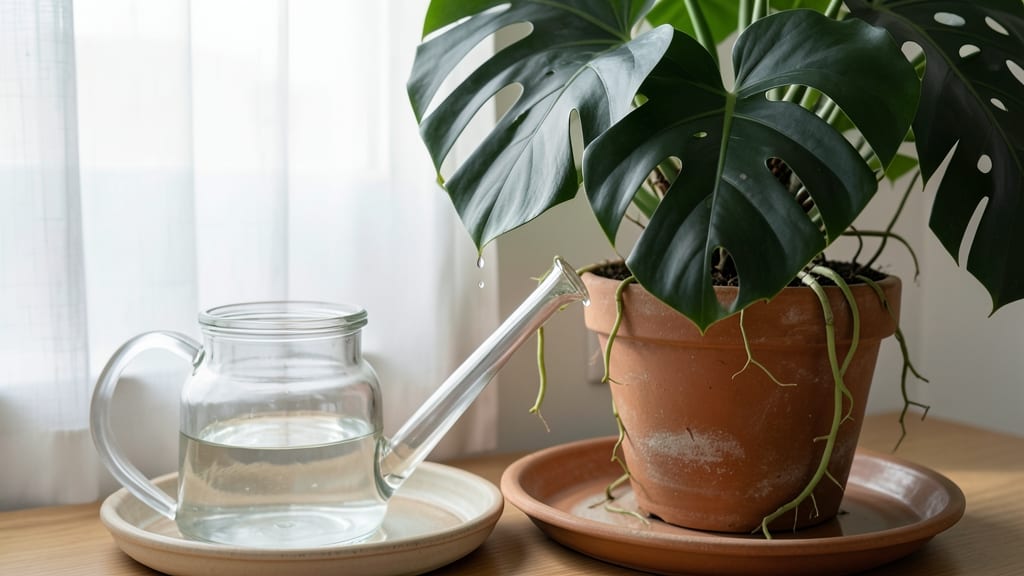
If your monstera plant’s leaves are turning yellow or crispy at the edges, you’re probably guessing wrong about how much water it needs. The truth? Monsteras 🌿 thrive on a precise balance—too much or too little can turn your tropical beauty into a sad, droopy mess.
I’ve learned the hard way that watering schedules aren’t one-size-fits-all. Your monstera’s needs change with the season, pot size, and even your home’s humidity. That’s why I’m sharing the exact method to check soil moisture (without overcomplicating it) so you can keep those iconic splits healthy and growing.
Most beginners make two critical mistakes: either drowning their roots or letting the soil dry out completely. I’ll break down the signs of over- and under-watering, plus the best techniques—like bottom watering—to mimic the tropical conditions your monstera craves.
By the end, you’ll know exactly when to water, how much to give, and how to adjust for your space. No more guesswork, just lush, thriving leaves all year round.

How often to water a monstera plant based on soil dryness (not calendar days)
If you’ve ever killed a monstera plant by guessing when to water, you’re not alone. Unlike calendar-based watering, monsteras thrive on soil dryness—not days. The key is checking moisture levels before watering, because factors like pot size, humidity, and season drastically change their needs.
Let’s break down the science-backed method to keep your plant’s roots happy without drowning them.
Monsteras are tropical vines that love moisture but despise soggy soil. In their natural habitat, they grow under dappled sunlight and receive water when the top layer of soil dries out. Replicating this indoors means watering deeply but only when the soil is partially dry.
The classic “water when the top inch is dry” rule fails here—your monstera’s root system needs consistent moisture, not just surface-level hydration.
Here’s the golden rule: Stick your finger 1-2 inches deep into the soil. If it feels dry to the touch, it’s time to water. If it’s still damp, wait another day.
This method accounts for pot size (smaller pots dry faster) and seasonal changes (summer means more frequent watering). Ignore calendar days—your monstera’s thirst is soil-driven, not time-driven.
| Factor | Adjustment | Example |
|---|---|---|
| Pot Size | Smaller pots = faster drying | 6-inch pot: water every 5-7 days |
| Season | Summer = more frequent watering | July: every 5-6 days |
| Humidity | Low humidity = drier soil | 30% humidity: water every 7 days |
| Soil Type | Well-draining mixes dry slower | Aroid mix: water every 8-10 days |
| Temperature | Warmer = more evaporation | 75°F+ room: water every 6 days |
Seasonal shifts are critical. In spring and fall, your monstera enters its growth phase, so water every 7-10 days when the top 2 inches of soil are dry. Summer heat increases evaporation, so check soil moisture every 5-7 days.
In winter, growth slows, and you can stretch watering to every 10-14 days. Pro tip: Group your monsteras with other tropical plants—like pothos or philodendrons)—to create a microclimate with consistent humidity.
Pot size plays a huge role. A small 6-inch pot dries out faster than a 12-inch container, so adjust your schedule accordingly. If your monstera is in a terracotta pot, it’ll dry out quicker than plastic.
And if you’re using a self-watering planter, monitor soil moisture closely—these can trap excess water, leading to root rot. Always ensure your pot has drainage holes to prevent waterlogging.
Humidity is another game-changer. Monsteras thrive in 60-80% humidity, but most homes hover around 30-50%. To compensate, water slightly less frequently if your home is dry. Place a humidity tray under the pot or mist the leaves 2-3 times a week to mimic their tropical home.
Avoid letting water sit in the leaf fenestrations—wipe them gently with a damp cloth to prevent fungal issues.
Overwatering is the #1 killer of monsteras, but underwatering stunts growth too. Look for yellow leaves (overwatering) or brown, crispy edges (underwatering). If you’re unsure, it’s better to underwater slightly than to drown the roots.
Remember: Monsteras store water in their thick stems, so they can handle short dry spells better than soggy soil.
To master monstera watering, keep a garden journal for 30 days. Note when you water, how much, and how the soil feels. Adjust based on your plant’s response—this personalized approach beats generic advice every time.
With this method, your monstera will reward you with larger fenestrations and shinier leaves in no time.
🌿
Monstera watering mistakes that kill leaves (and how to fix them)
I’ve seen it happen too many times—someone waters their monstera just right one week, only to find yellow leaves or crispy edges the next. The problem? Small mistakes add up, and monsteras are sensitive to watering errors.
Let’s tackle the most common pitfalls and how to reverse them before it’s too late.
First, the #1 killer mistake is overwatering. Monsteras hate soggy roots, which lead to root rot and yellow leaves. The fix? Always check the soil’s moisture before watering. Stick your finger 1-2 inches deep—if it feels damp, wait another day. If it’s dry, it’s time to water.
Here’s the visual clue you’ve been missing: Yellow leaves with brown edges usually mean overwatering, while dry, crispy leaves signal underwatering. Both are fixable, but the solutions differ completely. I’ll walk you through both in a moment.
Emergency Signs Your Monstera Is Dying
- Mushy stems = Root rot from overwatering
- Wrinkled leaves = Severe underwatering
- Black spots = Fungal infection (often from excess moisture)
Action:
Repot in fresh, well-draining soil and trim dead roots immediately. Adjust your watering routine today.
If your monstera’s leaves are yellowing but still firm, it’s likely overwatered. The solution? Let the soil dry out completely between waterings. Move your plant to a warmer, brighter spot (but avoid direct sun) and reduce watering to every 10-14 days until the leaves recover.
On the flip side, if leaves are brown and crispy, your monstera is thirsty. Water deeply until it drains from the bottom, then place the pot on a humidity tray to mimic its tropical home. Mist the leaves lightly once a week to help them recover faster.
Pro tip: Use a moisture meter for accuracy—no more guessing! And always ensure your pot has drainage holes. If yours doesn’t, transfer your monstera to a new container immediately to prevent root rot. Trust me, your plant will thank you with bigger, healthier splits.