
Plants
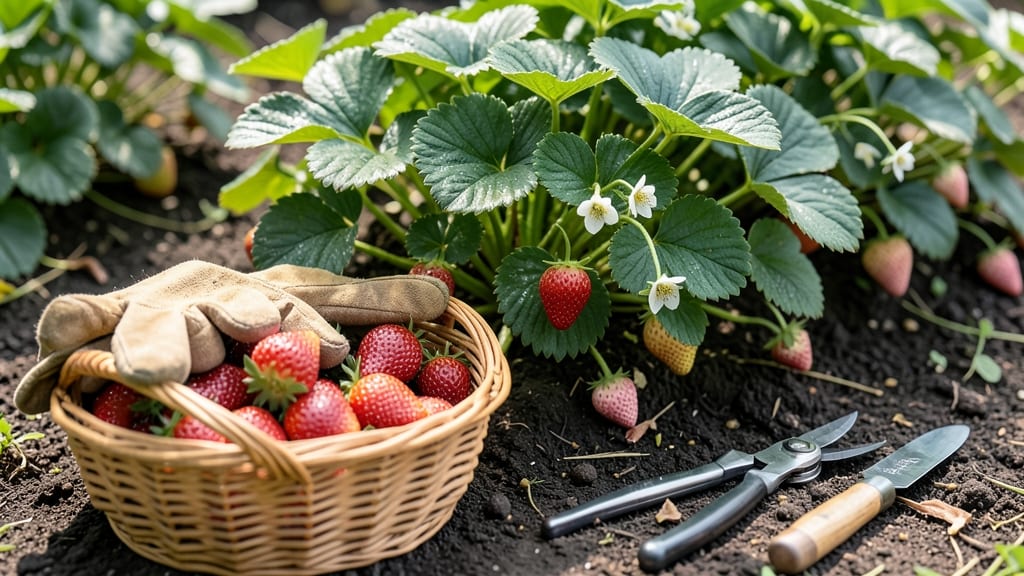
If you’ve ever wondered when are Plant City strawberries in season, you’re not alone—the answer is a game-changer for flavor. This tiny town, known as the "Strawberry Capital of the World," delivers berries so juicy, sweet, and bursting with Florida sunshine that they’re a cut above store-bought.
But here’s the catch: timing is everything. Miss the peak harvest months, and you’ll end up with empty fields or overpriced, lackluster berries.
The strawberry season in Plant City actually happens twice a year, thanks to Florida’s warm climate and clever farming techniques. Most visitors flock here between March and May for the spring harvest, but savvy locals know the fall season (October to November) offers just as much bounty—sometimes even sweeter.
Whether you’re planning a U-pick adventure or just want to stock up at a roadside stand, knowing these windows means never settling for second-best.
What makes Plant City’s strawberries unique? Unlike other regions, Florida’s Zone 9a climate lets farmers grow strawberries year-round with controlled environments.
That means you’ll find ripe, ready-to-eat berries longer than almost anywhere else in the U.S. But don’t just show up anytime—weather, farming cycles, and even the moon’s phases (yes, really!) can shift availability.
I’ll break down the exact months to visit, plus pro tips for spotting the ripest berries and avoiding crowds.
Ready to turn your strawberry dreams into reality? Let’s dive into the best times to pick, how to plan your trip, and why these berries taste like sunshine—so you can leave with a basket full of flavor and zero regrets.
Plant City strawberry season timeline: exact months by Florida growing zones
Plant City’s strawberry season is a two-part event: a fall harvest and a spring harvest, both shaped by Florida’s Zone 8a-9a climate.
Unlike northern states, Florida’s mild winters and long growing season create a unique year-round production cycle, with peak months differing slightly between U-pick farms and commercial fields. Here’s the exact timeline you need to plan your trip.
The first harvest kicks off in late October, but the real magic happens from November through December. This is when fall-planted strawberries reach maturity, delivering sweet, juicy berries perfect for holiday treats.
Commercial growers often extend this window into early January, thanks to protected cultivation techniques like row covers and greenhouses.
Spring brings the main event: the March to May harvest. This is when Plant City truly earns its title as the 'Strawberry Capital of the World'.
Temperatures hover in the 70s°F, ideal for strawberry growth, and farms like Strawberryland and Sunshine Acres see their busiest crowds during this window. The peak weeks are typically late March and April, when berries are at their sweetest.
Weather plays a critical role in these timelines. Heavy rainfall can delay harvests by 1-2 weeks, while unseasonably cold snaps (below 40°F) can stunt growth. Local farmers monitor chilling hours—the number of hours below 50°F—to predict when strawberries will break dormancy and begin fruiting.
Here’s how the seasons break down by harvest window, including key dates for planning your visit:
| Season | Harvest Window | Peak Months | Temperature Range | Notes |
|---|---|---|---|---|
| Fall | Late October - Early January | November - December | 60°F - 75°F | First harvest; smaller berries but high sugar content |
| Spring | March - May | Late March - April | 70°F - 85°F | Main season; largest, sweetest berries |
| Late Spring | May - Early June | Late April - May | 80°F - 90°F | End of season; berries may be smaller but still flavorful |
If you’re visiting during the spring season, aim for a weekday trip in late March or April to avoid crowds. Farms like Strawberryland and Hilltop Farms often have extended hours during peak weeks, but arrive by 8 AM to secure the freshest picks.
The fall harvest, while less crowded, can be shorter-lived—some farms wrap up by mid-December, so check ahead.
Pro tip: Commercial fields (like those supplying grocery stores) often harvest 1-2 weeks earlier than U-pick farms. If you’re after the sweetest, most flavorful berries, stick to U-pick operations, where strawberries are allowed to ripen fully on the vine.
The delayed gratification pays off with berries that are 30% sweeter than their commercially harvested counterparts.
One common misconception is that Plant City strawberries are only available in spring. In reality, the fall harvest is a hidden gem for locals and early visitors.
These berries benefit from cooler nights, which boost their sugar content. However, yield is lower in fall, so expect smaller batches but higher quality.
To maximize your chances of a successful strawberry-picking trip, I recommend checking farm websites or calling ahead for real-time updates. Weather disruptions, like hurricanes or frost, can shift harvest windows by weeks.
For example, Hurricane Ian in 2022 delayed spring harvests by 10 days in some areas. Stay flexible, and you’ll always leave with a basket full of sunshine.
Plant City strawberry season timeline: exact months by Florida growing zones
Understanding when Plant City strawberries are in season starts with Florida’s unique Zone 9a climate. Unlike northern regions with one harvest window, Plant City farms grow strawberries twice a year—spring and fall—thanks to controlled environments and strategic planting.
The spring harvest (March–May) is the most popular, while the fall harvest (October–November) often delivers sweeter berries with cooler temperatures. Even within these windows, weekly fluctuations occur based on weather and farming cycles.
For U-pick farms, the peak season runs from late February through April, aligning with Florida’s dry season when rain is minimal. Commercial fields may extend harvests slightly later, but by mid-May, most farms wrap up for the season.
The fall window kicks off in early October, tapering off by early December as temperatures drop. Pro tip: Check farm calendars—some adjust planting dates based on moon phases or unexpected rain.
If you’re visiting during spring season, aim for March and early April—this is when most U-pick farms hit their peak production.
The fall window, however, often yields sweeter strawberries because cooler nights enhance sugar development. Weather disruptions, like heavy rain or hurricanes, can delay harvests by 1–2 weeks, so always call ahead to confirm availability.
For example, Hurricane Ian in 2022 pushed back October harvests by nearly 10 days in some areas.
For home gardeners growing strawberries in Zone 8a–9a, timing matters just as much. Plant fall-bearing varieties (like Camarosa) in September–October for a spring harvest, or everbearing types (like Seascape) in January–February for a fall crop.
The key is to avoid freezes below 28°F, which can damage plants. Plant City’s microclimates help, but even here, January frosts can reduce yields.
Pro farmers also watch soil temperatures—strawberries thrive when roots stay above 60°F. If you’re buying from farms, ask when they planted their current crop. A farm that planted in late January might harvest 2 weeks earlier than one that planted in February.
This planting-to-harvest timeline explains why some farms run out of berries faster than others.
Don’t overlook lesser-known varieties like Sweet Charlie or Strawberry Festival, which often ripen 1–2 weeks earlier than Camarosa. These can extend your harvest window by several weeks.
Pair your trip with local festivals, like the Plant City Strawberry Festival in March, where you’ll find fresh-picked berries, jams, and even strawberry wine—all made with in-season fruit.