
Companion Plants
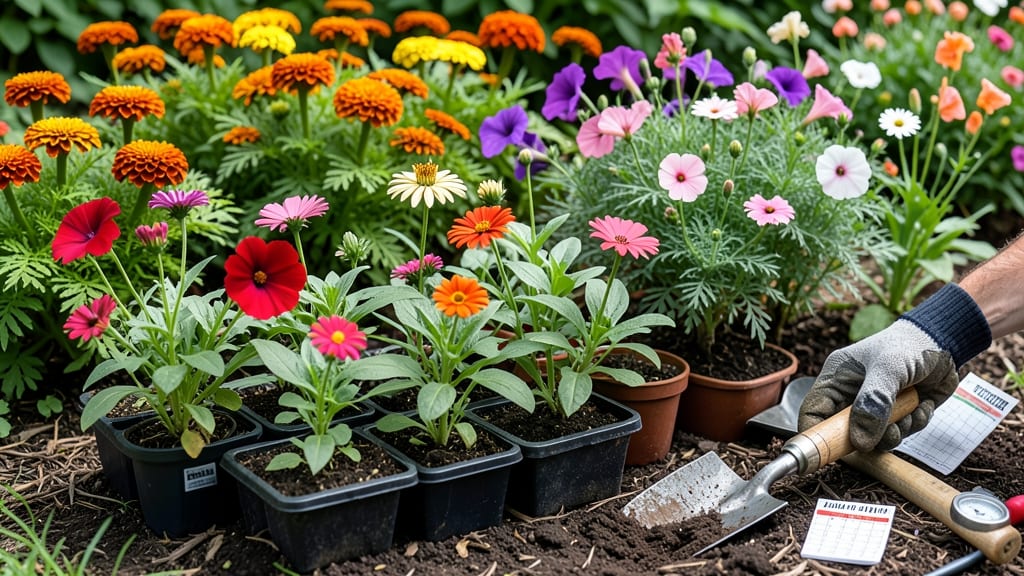
If you’ve ever watched frost nip your tender annuals before they even had a chance to thrive, you’re not alone—getting when can I plant annuals in zone 5 right can feel like a guessing game.
The difference between a thriving garden and a failed planting often comes down to knowing exactly when to plant, whether you're sowing cool-season greens in spring or warm-season blooms in summer.
I've spent years tracking frost dates and testing planting windows, and what I've learned is that Zone 5's unpredictable weather demands precision. Plant too early, and a late frost will wipe out your seedlings.
Wait too long, and you'll miss the optimal growing window for your favorite annuals. The good news? With the right knowledge, you can master the timing and extend your growing season like a pro.
In this guide, I'll break down the exact frost-free dates for your region, whether you're in northern or southern Zone 5, and share the best annuals to plant by month.
From cold-hardy snap peas to heat-loving marigolds, you'll discover which varieties thrive in your climate and when to get them in the ground for maximum success.
Ready to stop second-guessing and start planting with confidence? Let's dive into the variety-specific schedule that will transform your garden from hit-or-miss to consistently bountiful—no more lost seedlings or wasted effort.

Zone 5 frost-free dates by planting season: exact timing for cool vs warm annuals
Understanding Zone 5 frost dates is the first step to successful annual planting. The average last frost date in Zone 5 typically falls between April 15 and May 15, but this varies by region.
Northern Zone 5 areas (like Chicago) may see frost until May 20, while southern areas (like St. Louis) often reach safety by April 10. Always check your local USDA Plant Hardiness Zone Map for precise timing.
For cool-season annuals, like lettuce or spinach, you can start seeds indoors 6-8 weeks before your last frost date. These hardy plants can even handle light frosts (down to 25°F) once established.
Warm-season favorites, such as tomatoes or peppers, need soil temperatures above 60°F and should only go into the ground after your last frost—usually mid-to-late May in Zone 5.
Here’s the critical difference: Cool-season annuals thrive in cooler temperatures, while warm-season annuals need heat to germinate. Planting warm-season crops too early leads to stunted growth or death, while cool-season crops planted late may bolt or flower prematurely.
Timing isn’t just about frost—it’s about soil temperature and daylight hours too.
| Season | Planting Window | Frost Threshold | Soil Temp | Examples |
|---|---|---|---|---|
| Early Spring | March 15 - April 15 | 25°F tolerance | 40-50°F | Peas, Lettuce, Spinach |
| Late Spring | April 30 - May 15 | 32°F tolerance | 55-65°F | Radishes, Kale, Broccoli |
| Summer | May 20 - June 15 | None (frost-free) | 60°F+ | Tomatoes, Peppers, Basil |
| Fall | August 1 - September 15 | 30°F tolerance | 50-60°F | Pansies, Snapdragons, Arugula |
🌱 Pro Tip: Use a soil thermometer to confirm readiness for warm-season plants.
Fall planting in Zone 5 is often overlooked but offers a second harvest window. Start cool-season annuals in late summer (around August 1) for a fall-to-winter harvest.
These plants need 6-8 weeks to mature before the first frost, which typically hits Zone 5 between October 15 and November 15. Pansies and kale are excellent choices—they’ll survive light frosts and even add winter color to your garden.
If you’re unsure about your exact last frost date, use the 52-week rule: count back 52 weeks from your average first frost date (usually October 15 in Zone 5) to estimate your last frost.
For example, if your first frost is October 15, 2024, subtract 52 weeks to land on April 15, 2024 as your target last frost date.
Regional microclimates can shift your planting window by 1-2 weeks. Urban areas often warm up faster than rural spots due to heat islands, while elevated gardens may experience frost 10 days later than valley gardens.
Pay attention to microclimate cues, like nearby trees or bodies of water, which can delay or advance frost.
For warm-season annuals, don’t rush—wait until the soil temperature consistently stays above 60°F for at least 5 days. A soil thermometer is worth its weight in gold here. If you plant too early, seeds may rot or seedlings could develop damping off
Best annuals to plant in Zone 5 by month: a month-by-month survival guide
Zone 5’s short growing season means choosing the right annuals for each month is critical. Cool-season crops thrive in early spring and fall, while warm-season plants need summer’s heat. Let’s break down the best month-by-month planting schedule to maximize your harvest.
Start with cold-hardy annuals like lettuce, spinach, and pansies in March-April when soil temps hit 40°F. These can handle light frosts and give you early harvests. Warm-season favorites like tomatoes, peppers, and marigolds should wait until after the last frost, usually mid-May to early June.
🌱 Month-by-Month Planting Guide for Zone 5
🌡️ Soil Temp: 40-50°F | 📅 Plant: 2-4 weeks before last frost
💡 Tip: Use row covers for extra frost protection
🌡️ Soil Temp: 50-60°F | 📅 Plant: 2 weeks before last frost
💡 Tip: Succession plant radishes every 2 weeks for continuous harvests
🌡️ Soil Temp: 60°F+ | 📅 Plant: After last frost (usually May 15-June 1)
💡 Tip: Harden off seedlings gradually to avoid transplant shock
🌡️ Soil Temp: 70°F+ | 📅 Plant: Direct sow after soil warms
💡 Tip: Mulch heavily to retain moisture during dry spells
🌡️ Soil Temp: 50-60°F | 📅 Plant: 6-8 weeks before first frost
💡 Tip: Choose fast-maturing varieties for fall harvests
For northern Zone 5 (e.g., Chicago, Detroit), shift planting dates 1-2 weeks later due to colder springs. Southern Zone 5 (e.g., Kansas City, St. Louis) can plant 1-2 weeks earlier thanks to milder winters.
Always check your local last frost dates—they can vary by 10+ days even within the same zone.
Pro tip: Use successional planting for bush beans, lettuce, and radishes every 2-3 weeks to ensure a steady supply. Direct sowing beats transplants for many annuals, reducing shock and saving money. Start with fast germinators like radishes or arugula to test soil readiness.
Don’t forget herbs like dill and cilantro—they bolt in heat, so plant them in early spring or late summer for best results. With this monthly roadmap, you’ll turn your Zone 5 garden into a year-round harvest machine! 🌿