
Companion Plants
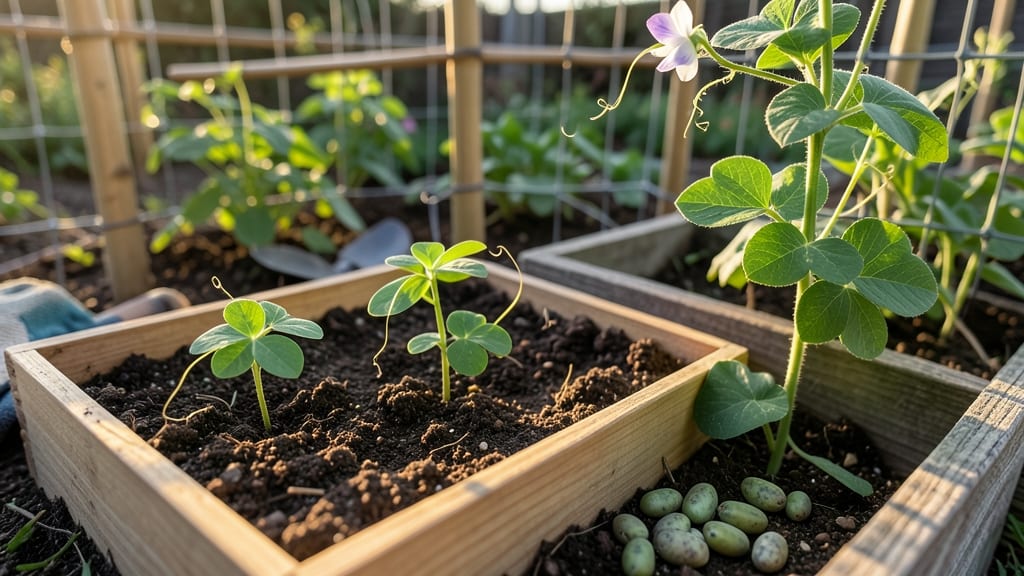
If you're wondering when to plant peas in Zone 6, timing is everything—get it right, and you'll enjoy a bountiful harvest of sweet, fresh peas; get it wrong, and you might end up with stunted plants or no harvest at all.
Peas, or 🌱, thrive in cool weather, making early spring and late summer the perfect windows for planting in Zone 6. But with frost dates ranging from mid-April to mid-October, knowing the exact frost-free timeline is key to maximizing your garden's potential.
In this guide, I’ll walk you through the best planting dates for both early spring and late summer varieties, including soil temperature tips and how to adjust for cooler microclimates in your area.
Whether you're a seasoned gardener or just starting out, these insights will help you plant peas at the perfect time for the best germination and harvest in Zone 6.

Zone 6 pea planting timeline: exact dates for cold-hardy varieties
Peas thrive in Zone 6's cool spring temperatures, but planting too early or late can ruin your harvest. The key is timing seeds when soil reaches 40°F–50°F—cold enough to prevent rot but warm enough for germination.
In most of Zone 6, this window opens in early March and closes by mid-April before summer heat arrives.
For Zone 6a (colder microclimates like northern Indiana or upstate New York), aim for late March planting when frost dates average 28°F–32°F. In Zone 6b (warmer areas like Virginia or Missouri), you can start as early as mid-February under frost cloth.
Always check your last frost date—most Zone 6 regions experience it around mid-April.
Peas are frost-tolerant but won’t germinate in freezing soil. Use a soil thermometer to confirm warmth before planting. If your soil stays below 40°F, wait 1–2 weeks or use a cold frame to accelerate warming.
Urban gardeners in Zone 6 cities (e.g., Chicago, Pittsburgh) may face delayed soil warming due to concrete heat absorption. Test soil in multiple spots—sidewalks warm faster than shaded areas. Rural areas with loose, organic soil will reach planting temps 1–2 weeks earlier than urban plots.
If your soil is still too cold, opt for cold-hardy varieties like 'Lincoln' or 'Green Arrow', which germinate at 35°F. For sugar snap peas, wait until soil hits 50°F—they’re less frost-tolerant.
Always plant seeds 1 inch deep and 2–3 inches apart in rows 18 inches apart for proper airflow.
Peas need 6–8 hours of sun daily, but they’ll tolerate partial shade if planted in early spring. Avoid planting near potatoes or tomatoes—these compete for nutrients and attract similar pests. Instead, pair peas with carrots, radishes, or cucumbers for natural pest control and space efficiency.
After planting, mulch with straw or grass clippings to retain moisture and suppress weeds. Peas are shallow-rooted, so keep soil consistently moist but never waterlogged. A drip irrigation system set to run early morning works best to prevent fungal diseases like powdery mildew.
Monitor for pea aphids or powdery mildew—both thrive in Zone 6’s humid springs. Spray plants with neem oil or introduce ladybugs if pests appear. Harvest begins 60–70 days after planting, when pods are 2–3 inches long and plump but still tender.
For a second harvest, try a late-summer planting in August using heat-tolerant varieties like 'Oregon Sugar Pod'. These peas mature before first frost (usually mid-October in Zone 6) and produce sweeter pods in cooler fall temps.
Zone 6 pea planting timeline: exact dates for cold-hardy varieties
Peas love cool weather, so in Zone 6, the best time to plant them is 4-6 weeks before your last expected frost—typically between mid-March and early April. However, if you're in a cooler microclimate (like higher elevations), you might need to start even earlier, around late February.
For a second harvest, late summer planting works too—aim for late August to early September to catch the cool fall temperatures before the first frost hits in mid-October. This two-season approach ensures a steady supply of fresh peas all year.
Here’s the key: Soil temperature matters. Peas germinate best when soil is between 40°F and 85°F, but ideal germination happens at 50°F–70°F. If your soil is too cold, seeds may rot; too hot, and they’ll struggle to sprout.
| Planting Window | Soil Temp | Pea Variety | Notes |
|---|---|---|---|
| Early Spring (Feb–Mar) | 40°F–50°F | Sugar Snap, Lincoln | Cold-hardy; plant before soil warms. |
| Late Spring (Apr) | 50°F–70°F | Oregon Sugar Pod | Heat-tolerant; avoid planting too late. |
| Late Summer (Aug–Sep) | 60°F–75°F | Green Arrow, Wando | Fast-maturing; harvest before frost. |
If you’re in an urban area, your microclimate might be warmer, so adjust planting dates 1-2 weeks later than rural areas. Use a soil thermometer to check temperatures before planting—this small tool can save you from wasted seeds.
For best results, plant peas in well-drained soil with a pH of 6.0–7.5. Mix in compost before planting to improve fertility, and avoid over-fertilizing with nitrogen, which can reduce pea production.
Pro tip: Stagger your planting by 2 weeks for a continuous harvest. For example, plant one batch in early March, another in mid-March, and a final batch in early April. This ensures peas are ready to pick at different times, extending your harvest window.