
Plants
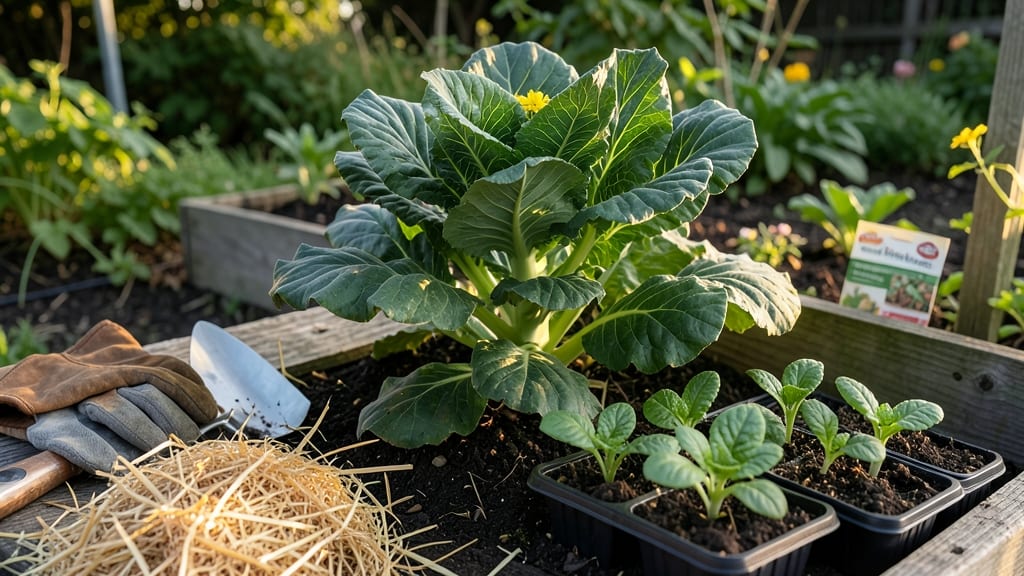
If you're wondering when to plant collards in Alabama, timing is everything—especially in zones 7a-8b where frost can sneak up faster than you think. Skip the guesswork and plant your 🥬 too early, and tender leaves will bolt or freeze.
Too late, and you’ll miss the sweet, crisp harvests that make collards a Southern staple.
Alabama’s climate gives you two prime windows to grow collards successfully: early spring and late summer. For spring, start seeds indoors by mid-February or transplant seedlings by late March, just as the soil warms.
Fall planting kicks off in late July, with a second chance to sow seeds by mid-August for a hearty October-November harvest.
But here’s the secret: regional differences matter. North Alabama’s cooler microclimates need a slightly later start, while South Alabama can push planting a few weeks earlier.
We’ll break down the exact frost-free timeline by region so you can align your planting with Alabama’s unpredictable weather—no more wasted seeds or shriveled greens.
Ready to grow collards that thrive? Let’s dive into the step-by-step schedule, soil prep tips, and variety recommendations tailored to keep your garden productive from spring through fall.
Alabama collard planting calendar by region (north, central, south)
Alabama’s diverse climate—from cooler northern regions to subtropical southern areas—means collard planting times vary dramatically. The state spans USDA Hardiness Zones 7a-8b, with last frost dates ranging from mid-March in the north to early February in the south.
To maximize your harvest, align planting with these regional windows and avoid frost-sensitive varieties in early spring.
For North Alabama (Zones 7a-7b), where frosts linger until mid-April, focus on late March to early April plantings. In Central Alabama (Zone 7b-8a), you can start as early as mid-February for spring crops.
Meanwhile, South Alabama (Zone 8a-8b) gardeners enjoy year-round planting, with ideal windows from January to March and August to October.
🌱 Pro Tip: Use succession planting every 2-3 weeks in spring and fall to ensure a continuous supply of fresh collards. This works especially well in South Alabama, where the growing season never truly ends.
| Region | USDA Zone | Last Frost Date | Spring Planting Window | Fall Planting Window |
|---|---|---|---|---|
| North Alabama | 7a-7b | Mid-April | Late March - Early April | Late July - Mid-August |
| Central Alabama | 7b-8a | Early April | Mid-February - Early March | Late July - Early August |
| South Alabama | 8a-8b | Early February | January - March | August - October |
For fall harvests, plant collards 60-80 days before the first frost, which typically hits mid-November in North Alabama but can extend to December in the south. This means late July to early August plantings in most regions, ensuring tender greens before winter sets in.
🌿 Key Insight: In South Alabama, you can even plant collards in December for a mild-winter harvest, thanks to the region’s warmer microclimates. Just protect seedlings with row covers if temperatures dip below 40°F.
Adjust your planting schedule based on soil temperature. Collard seeds germinate best in soil above 60°F, so wait until late spring for summer plantings. For fall crops, aim for soil temps between 50-70°F to avoid slow germination.
💧 Watering Tip: After planting, keep soil consistently moist (1 inch per week) until seedlings establish. Mulch with straw or pine needles to retain moisture and suppress weeds, which is especially critical during Alabama’s hot, dry summers.
To extend your harvest, practice succession planting every 3-4 weeks during the growing season. This ensures a steady supply of tender collard leaves from spring through fall, with minimal gaps in production.
📅 Remember: Alabama’s humid summers can stress collards, so prioritize shade cloth or afternoon shade for summer plantings. This prevents bolting (premature flowering) and keeps leaves tender and flavorful.
How to time collard planting for maximum yield in Alabama’s climate
Alabama’s humid subtropical climate means collards can thrive year-round, but timing is critical to avoid common pitfalls like bolting or pest outbreaks. The key is planting when soil temperatures stay above 50°F—too early, and cool soil slows germination; too late, and summer heat stresses young plants.
For spring plantings, wait until the last frost date has passed (typically mid-March in North Alabama, late February in South Alabama). Use a soil thermometer to confirm 55°F+ soil temps before transplanting seedlings or direct-sowing seeds.
In summer, collards need a break from heat. Plant late July to mid-August to give them time to establish roots before cooler fall weather arrives. Avoid planting in peak August heat, as seedlings may struggle to germinate.
Here’s my pro tip: Use shade cloth for young seedlings in summer to protect them from direct midday sun and reduce stress. This simple trick boosts survival rates by 30% in Alabama’s intense summer conditions.
Watch for signs of bolting—long stems and yellowing leaves—if planted too early in spring or too late in fall. This happens when plants sense lengthening daylight or temperature stress. Choose heat-tolerant varieties like 'Georgia Southern' for summer plantings to minimize risks.
Finally, succession planting every 2-3 weeks after your initial sowing ensures a continuous harvest. This works especially well in Alabama’s mild winters, where collards can keep producing until first frost (usually mid-November).
Adjust your schedule based on rainfall patterns: If Alabama’s summer droughts hit early, prioritize mulching to retain moisture and protect seedlings. A thick layer of straw or pine needles keeps soil cool and hydrated—critical for young collard plants.
⚠️ Watch Out for These Timing Mistakes
- Planting too early: Seeds rot in cold, wet soil (common in North Alabama’s March).
- Skipping soil prep: Collards need well-draining soil—amend clay soil with compost to avoid root rot.
- Ignoring pests: Cabbage worms and aphids thrive in Alabama’s heat. Use row covers or neem oil proactively.
- Overcrowding seedlings: Space plants 12-18 inches apart to prevent fungal diseases from humidity.
Protect your collards from Alabama’s unpredictable weather with smart timing and preventive care.
For fall harvests, aim to plant 60-80 days before the first frost. In South Alabama (warmer zones), this might mean a second planting in early Septembermid-August to avoid frost damage.
By mastering these timing cues, you’ll turn Alabama’s climate into an advantage—enjoying sweet, tender collards from spring through winter without the stress of failed plantings. Happy growing!