
Plants
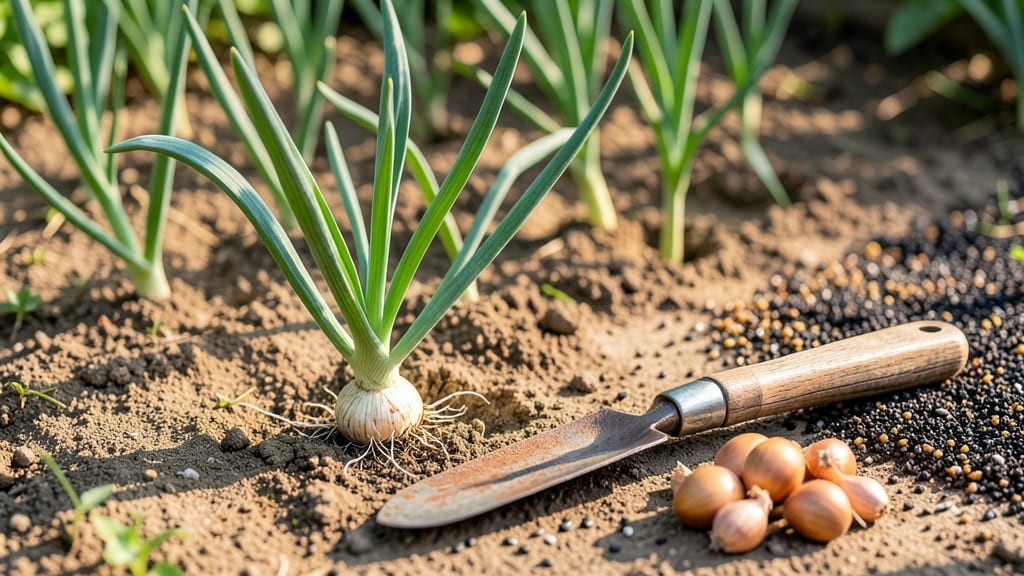
If you’ve ever wondered when do you plant onions in Oklahoma, timing is the secret weapon between a thriving 🧅 harvest and wasted effort. Oklahoma’s shifting frost dates—ranging from March 1 in the north to April 1 in the south—make precision planting non-negotiable.
Plant too early, and a late frost can wipe out your crop; too late, and scorching summer heat turns bulbs bitter.
For most gardeners in zones 6a-8a, the sweet spot is late winter to early spring (February–March), but fall planting (August–September) works for overwintering varieties.
The key? Start seeds or sets 4–6 weeks before your last frost date—whether that’s mid-March in northern Oklahoma or early April in the southern panhandle.
Why does this matter? Onions are frost-sensitive but heat-intolerant, meaning they need cool soil to establish roots before temperatures climb. By aligning your planting with Oklahoma’s microclimates, you’ll avoid the two biggest pitfalls: bolting (premature flowering) from heat stress or stunted growth from late frosts.
In this guide, I’ll break down the exact months for your region, plus pro tips to adjust for Oklahoma’s unpredictable weather. Ready to grow onions that rival the ones at the farmers’ market? Let’s get started.
Oklahoma planting zones & best months for onion success
Oklahoma’s USDA Zones 6a-8a create a unique challenge for onion growers—late frosts in spring and early heatwaves demand precise timing. Unlike northern states, Oklahoma’s longer growing season (up to 220 frost-free days in southern regions) allows for two planting windows: spring and fall.
But getting the timing wrong can mean bolting onions or stunted growth.
For spring onions, aim to plant 4-6 weeks before your last frost date. In northern Oklahoma (Zone 6a), this means late February to early March, while southern regions (Zone 8a) can start as early as mid-February.
Fall planting should happen 8-10 weeks before first frost, typically late August to early September.
Onions are day-length sensitive, meaning short-day varieties (like ‘Texas Early White’) thrive in Oklahoma’s climate, while long-day onions (common in northern states) often bolt prematurely. Choosing the right variety for your specific planting window is key to avoiding bitter, small bulbs.
Here’s how Oklahoma’s frost-free window breaks down by region and its impact on onion planting:
🌱 Oklahoma Onion Planting Timeline by Zone
| Zone | Last Frost Date | Ideal Spring Planting | Fall Planting Window | Frost-Free Days |
|---|---|---|---|---|
| 6a (Northern OK) | March 15 | Late Feb - Early March | Late Aug - Early Sept | 180-190 days |
| 7a (Central OK) | March 1 | Mid-Feb - Late Feb | Early Sept - Mid-Sept | 190-200 days |
| 8a (Southern OK) | February 15 | Mid-Jan - Mid-Feb | Mid-Sept - Late Sept | 200-220 days |
💡 Pro Tip: Use onion sets (dried young bulbs) for spring planting—they sprout faster than seeds and give you a head start on the growing season.
Spring-planted onions need consistent soil temperatures above 50°F to germinate. If your soil is still cold in early March, consider using black plastic mulch to warm it up faster. For fall plantings, aim for soil temps below 80°F to prevent bolting—Oklahoma’s summer heat can trick onions into flowering early.
One common mistake Oklahoma gardeners make is planting too late in spring. By April or May, the heat and long days push onions into bolting mode, resulting in seed stalks instead of bulbs.
To avoid this, stick to the early spring window and use shade cloth if temperatures climb unexpectedly.
For storage onions (like ‘Yellow Granex’), fall planting is your best bet. These varieties need cold exposure to develop sweet, storable bulbs. Plant them in late summer so they mature before the first frost, then cure them indoors for long-term storage.
Remember, Oklahoma’s microclimates can vary drastically—even within a few miles. If you’re in a low-lying area, expect later frosts, while higher elevations may face earlier cold snaps. Always check your local frost dates and adjust your planting schedule accordingly.
Finally, soil preparation is non-negotiable. Onions thrive in loamy, well-draining soil with a pH of 6.0-7.0. Before planting, amend your soil with compost or aged manure to ensure your onions have the nutrients they need to bulk up before Oklahoma’s summer heat sets in.
How to adjust planting timing for Oklahoma’s unpredictable weather
Oklahoma’s weather can throw off even the most experienced gardener—late frosts in April or early heatwaves in March can ruin a spring onion crop if you’re not prepared. The key is flexibility: knowing how to adjust planting dates based on soil temperatures, frost warnings, and heat trends.
Unlike predictable climates, Oklahoma’s USDA Zones 6a-8a demand proactive strategies to protect your onions from unexpected cold snaps or scorching sun.
First, always check the National Weather Service or local agricultural extensions for frost alerts in March and November. A single 28°F night can kill young onion sets, so plan a backup planting window in late February if early spring stays cold.
For example, if your last frost date slips to March 31 instead of March 15, shift your spring planting to mid-March instead of February.
Planting onions too early in northern Oklahoma (Zone 6a) risks frost damage. Use row covers or cloche tunnels if you plant in February. Southern Oklahoma (Zone 8a) can often start in early March, but verify soil temps—50°F+ is ideal for germination.
Soil temperature is just as critical as air temperature. Onions need consistent soil temps above 50°F to germinate properly. If your March soil stays chilly, warm it with black plastic mulch or a cold frame for 1-2 weeks before planting.
This trick adds 5-10°F to soil warmth, accelerating growth. For fall planting, aim for August 15-September 15—early enough to establish roots before first frost, but late enough to avoid summer bolting from heat stress.
Heatwaves in late spring can also derail onion growth. If temperatures exceed 85°F for prolonged periods, onions may bolt prematurely (shoot up flowers) or develop small, pungent bulbs. To mitigate this, plant shade-tolerant varieties like ‘Texas Early White’ and use drip irrigation to keep soil evenly moist.
Mulch with straw or grass clippings to insulate roots and retain moisture during dry spells.
For extra insurance, stagger your planting dates every 2-3 weeks in spring. This ensures a continuous harvest and reduces risk if one batch fails. For example, plant half your sets in late February, another third in early March, and the final third in mid-March.
This method spreads out your harvest window from May to July, giving you fresh onions even if one planting gets hit by unexpected frost.
Finally, monitor your onions’ growth stages closely. If you notice yellowing leaves or stunted growth in April, it may signal nutrient deficiency or pest pressure—not just weather issues.
Adjust with a balanced fertilizer (5-10-10) and neem oil spray if needed. By staying adaptable, you’ll turn Oklahoma’s unpredictable weather into an advantage for a reliable onion harvest. 🌱