
Plants
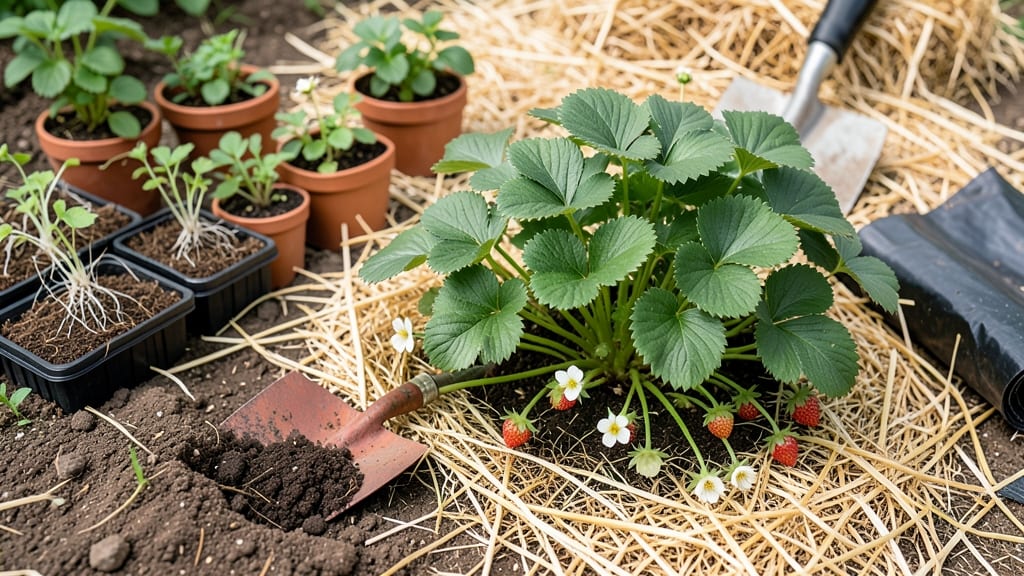
Planting strawberries in Kentucky isn’t just about grabbing plants and sticking them in the ground—it’s about matching varieties to your region’s unique chill hours for the best harvest.
Whether you’re in the rolling hills of the Bluegrass or the cooler Appalachian foothills, timing is everything to avoid wasted effort and missed sweet rewards.
With Kentucky’s USDA zones 6a-7a and unpredictable spring weather, knowing when to plant your 🍓 can mean the difference between a bountiful summer harvest and a disappointing flop.
Early spring or fall planting? Everbearing vs. June-bearing varieties? Let’s break down the science behind Kentucky’s ideal planting windows so you can set your garden up for success.
The key isn’t just following a calendar—it’s understanding how your local climate interacts with specific strawberry types. We’ll cover how to align planting dates with Kentucky’s average chill hours, frost patterns, and soil temperatures to maximize your yield. No more guessing games!
Ready to transform your garden into a strawberry paradise? Let’s dive into the exact timing, variety choices, and pro tips that will have you picking plump, juicy berries from May through June—and maybe even beyond.
Kentucky strawberry planting dates by chill-hour requirements
Kentucky’s USDA zones 6a-7a create a unique challenge for strawberry growers: too early, and frost zaps tender plants; too late, and you miss the chill-hour window needed for fruiting.
The key is planting when soil temperatures hit 40°F+ consistently—typically 4-6 weeks before your last frost date, which varies from March 15 in Southern KY to April 1 in Northern KY.
But timing also depends on whether you’re growing June-bearing or everbearing varieties, each with different chill-hour needs.
For June-bearing strawberries, which produce one massive harvest in spring, aim for 500-1,000 chill hours (below 45°F). In Kentucky, this usually means planting March 1-April 15 for a May-June harvest.
Everbearing varieties, like 'Seascape', need fewer chill hours (300-500) and can be planted March 15-May 1 for staggered harvests through summer. Fall planting (September-October) works too, but only for everbearing types—June-bearing plants need winter dormancy to fruit well the next year.
Here’s the critical rule: Never plant when soil is still cold or soggy. Test soil temps with a soil thermometer—ideal planting conditions are 50-60°F. In Kentucky’s Appalachian region, cooler microclimates may delay planting by 2-3 weeks compared to the Bluegrass region.
And watch for late spring frosts, which can hit as late as April 15 in higher elevations.
| Variety Type | Chill Hours Needed | Best Planting Window | Harvest Window | Kentucky Notes |
|---|---|---|---|---|
| June-Bearing | 500-1,000 hrs | March 1-April 15 | Late May-June | Best for 'Chandler,' 'Jewel'; avoid fall planting. |
| Everbearing | 300-500 hrs | March 15-May 1 | June-September | 'Seascape' thrives; can plant fall for next year. |
| Day-Neutral | 0-300 hrs | April 15-June 1 | July-October | 'Tristar' best for heat; extend season with shade. |
If you’re planting in fall (September-October), focus on everbearing or day-neutral varieties like 'Seascape' or 'Tristar'. These types can handle Kentucky’s first frost (November 15) better and may produce a small harvest before winter.
For June-bearing varieties, fall planting is a gamble—unless you use row covers to protect plants during winter. Always space plants 18-24 inches apart to prevent fungal diseases, which thrive in Kentucky’s humid summers.
Pro tip: Soil temperature matters more than air temperature. Use a black plastic mulch to warm soil faster in early spring or straw mulch to insulate roots in fall.
In Northern KY (USDA 6a), where winters are colder, plant 2-3 weeks later than Southern KY to avoid frost damage. And if you’re in a low-lying area, late frosts are more likely—monitor your local Cooperative Extension Service for updates.
One common mistake Kentucky gardeners make? Planting bare-root strawberries too early. These need active root growth, which stalls below 50°F. Soak roots in lukewarm water for 30 minutes before planting, and trim any damaged roots with sterilized pruners.
For container-grown plants, you can plant 1-2 weeks earlier since their roots are already established.
For maximum yield, pair your planting date with soil prep. Work in 2-3 inches of compost and a balanced fertilizer (10-10-10) at planting time. In Kentucky’s clay-heavy soils, amend with sand or peat moss to improve drainage.
And if your soil tests show low pH (below 6.0), add lime in fall to raise it to 5.5-6.5—strawberries hate acidic soil.
Finally, regional microclimates can shift planting windows by weeks. In Western KY’s drier climate, you might plant 10 days earlier than in Eastern
Best Kentucky-adapted strawberry varieties and their ideal planting months
Kentucky’s diverse climate means not all strawberry varieties thrive equally—some flourish in the Bluegrass region, while others struggle in the Appalachian foothills. The key is matching chill-hour requirements to your local microclimate.
For example, June-bearing varieties like 'Chandler' need 500+ chill hours, while everbearing 'Seascape' adapts better to 300-400 chill hours.
In Northern Kentucky (USDA Zone 6a), aim for March-April planting to ensure enough chill hours before summer heat. Southern Kentucky (Zone 7a) can extend planting into late April or early May without risking frost damage.
The wrong variety in the wrong zone? You’ll end up with small berries or no fruit at all.
Let’s break down the top 3 varieties for Kentucky gardens and their perfect planting windows:
Best for: Large harvests
Best for: Extended harvests
• Plant: March-April
• Chill Hours: 500+
• Flavor: Sweet, firm
• Note: Needs well-drained soil
• Plant: March-April or Sept
• Chill Hours: 300-400
• Flavor: Mild, prolific
• Note: Disease-resistant
• Plant: March-April
• Chill Hours: 400-500
• Flavor: Balanced sweet-tart
• Note: Tolerates humidity
• Plant: March-April
• Chill Hours: 500+
• Flavor: Large, juicy
• Note: Thrives in dry Western KY
For Western Kentucky’s drier climate, 'Albion' is a standout—its drought tolerance makes it ideal for areas like Bowling Green. Meanwhile, Eastern Kentucky’s wetter conditions favor 'Seascape' or 'Jewel', which resist fungal diseases like gray mold.
Pro tip: If you’re in a transitional zone (like Louisville), test soil moisture weekly—overwatering is a silent killer of strawberries.
Fall planting (September-October) works best for everbearing varieties, giving roots time to establish before winter. Just be sure to mulch heavily (4-6 inches of straw) to protect plants from freeze-thaw cycles.
In my own garden, I’ve found that September-planted Seascape often produces a small harvest the following spring—proof that timing matters!
Remember: Kentucky’s last frost date varies by region—Northern KY averages March 15, while Southern KY can be March 25 or later. Use a local frost calendar (like the UK Ag Weather Center) to fine-tune your planting date.
When in doubt, err on the earlier side—strawberries recover better from cold snaps than from summer heat stress.