
Plants
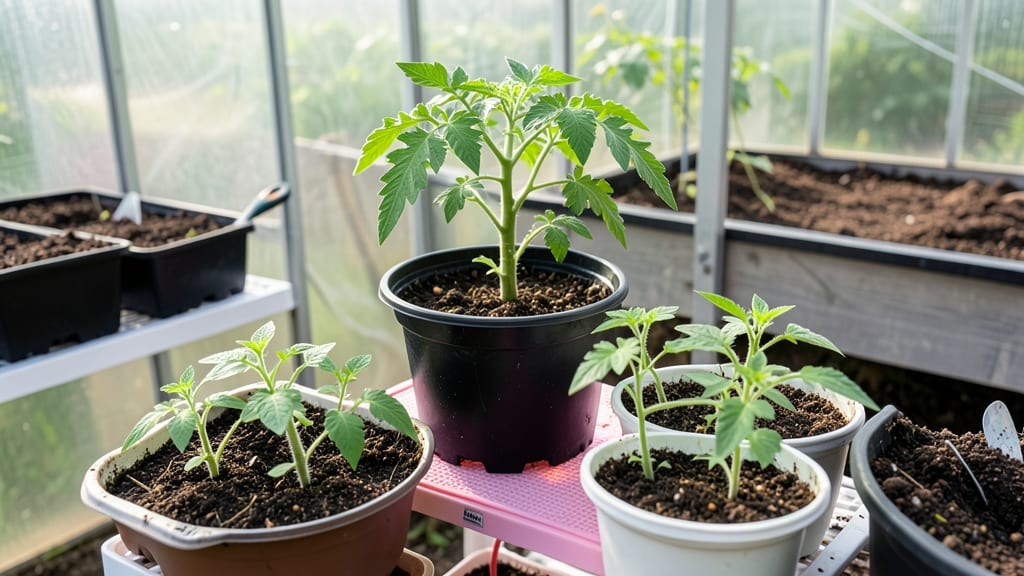
Planting tomato plants in a greenhouse lets you beat the clock and enjoy homegrown 🍅 months before your neighbors—if you time it right. The key isn't just about starting early; it's about understanding your greenhouse's unique microclimate and how it interacts with your local frost dates.
For USDA Zone 6a, the sweet spot is February to March, giving seedlings a head start before the last frost hits around mid-April.
But here's the twist: greenhouses let you push those boundaries, whether you're sowing seeds directly or transplanting seedlings, as long as you account for temperature control and light exposure.
I've learned the hard way that planting too late means smaller yields, while starting too early can lead to leggy, weak plants. The solution? A strategic timeline that balances greenhouse advantages with your region's climate quirks.
Let me walk you through the exact steps to maximize your harvest—from seed-starting indoors to transplanting at the perfect moment for your greenhouse's specific conditions.
Optimal greenhouse planting timeline for tomatoes by climate Zone
A greenhouse extends your tomato-growing season dramatically, but the best planting window depends on your USDA zone and greenhouse type. Unlike outdoor gardens, you can start 4-6 weeks earlier in a greenhouse—even in cold climates—because you control temperature and humidity.
The key is balancing seedling maturity with your greenhouse’s ability to maintain ideal 60-85°F soil temps.
For most gardeners, the ideal greenhouse planting window falls between late January and early April, with adjustments needed for northern vs. southern zones. Heat-loving varieties like Cherry Tomatoes thrive in warmer greenhouses, while heirloom types may need cooler conditions early on.
Staggered planting (every 2 weeks) ensures continuous harvests from June through October.
Here’s how to align your greenhouse tomato schedule with your climate zone for maximum success:
| USDA Zone | Greenhouse Planting Window | Seed Starting Indoors | Greenhouse Transplant Time | First Harvest Window |
|---|---|---|---|---|
| Zones 5-6 | Late January - Early March | Start seeds indoors by January 15 | Mid-March to early April (after soil warms to 60°F) | Late June - Early August |
| Zones 7-8 | Early February - Mid-March | Start seeds indoors by February 1 | Late March to early May | May - October |
| Zones 9-10 | Mid-January - February | Start seeds indoors by December 15 (optional) | February - March (direct sow or transplant) | April - December (year-round with greenhouse) |
🌱 Note: Adjust for high-altitude areas (add 1-2 weeks earlier) or coastal regions (delay by 1 week).
If you’re in Zones 5-6, pre-warming your greenhouse in late winter (using row covers or small heaters) lets you transplant seedlings earlier. For Zones 9-10, focus on succession planting every 3 weeks to avoid overcrowding.
Heat-sensitive varieties like Brandywine need cooler greenhouse temps (70-75°F), while Sungold thrives in 80-85°F conditions.
Direct sowing seeds in the greenhouse is only recommended if your soil stays above 60°F consistently. Most gardeners prefer starting seeds indoors (6-8 weeks before transplanting) to avoid damping-off disease.
Use sterilized seed trays and keep humidity high (but not soggy) until seedlings develop 2 true leaves.
Pro tip: Use a greenhouse thermometer to monitor nighttime temps—tomatoes struggle below 50°F. If your greenhouse drops below this, consider a small space heater or row covers for sensitive varieties. Overheating above 90°F can also stress plants, so ventilation is key during summer months.
For continuous harvests, plant 3 batches spaced 2 weeks apart in spring and repeat in late summer for a fall crop. This works especially well in Zones 7-10, where you can extend the season into December with proper greenhouse management.
Remember: The earlier you plant, the more you’ll rely on your greenhouse’s climate control. Start small—test your greenhouse’s capacity with 1-2 plants before committing to a full bed. This helps you fine-tune your planting timeline and avoid costly mistakes.
🌿
Optimal greenhouse planting timeline for tomatoes by climate Zone
A greenhouse extends your tomato-growing season, but the right timing depends on your USDA zone and greenhouse setup. Unlike outdoor planting, where frost dates dictate everything, greenhouses let you start 4-8 weeks earlier—but only if you prep correctly.
For example, in Zone 5, I start seeds indoors in late January, while in Zone 10, I might plant directly in the greenhouse as early as December.
The key is balancing seedling development with your greenhouse’s ability to maintain ideal temperatures (60-75°F). Too early, and seedlings become leggy; too late, and you miss the early harvest window. My rule?
Start seeds 6-8 weeks before your greenhouse can reliably stay above 50°F at night. For most regions, this means February to early March for transplanting by late March or April.
For heat-sensitive varieties like Cherokee Purple, I delay transplanting until the greenhouse hits 65°F consistently—usually 2-3 weeks later than early-season types. Pro tip: Use a soil thermometer to track greenhouse floor temps. If it’s below 55°F, seedlings will struggle even if air temps are warm.
Staggered planting is another greenhouse advantage. By sowing new seeds every 2 weeks in February and March, I ensure a continuous harvest from June through October. For example, my first batch goes in late February, followed by early March and mid-March plantings.
This works especially well for determinate varieties, which fruit all at once, and indeterminate types, which produce over time.
Don’t forget to pre-warm your greenhouse 1-2 weeks before transplanting. I use black plastic mulch on soil beds and row covers at night to raise temps. This mimics an earlier spring and gives seedlings a stronger start. Without this step, your first harvest window shrinks by 3-4 weeks.
Timing isn’t just about dates—it’s about greenhouse readiness. If your structure can’t handle humidity spikes or ventilation challenges, even the perfect schedule fails. I’ll cover those pitfalls in the next section, but for now, bookmark these dates and adjust based on your greenhouse’s unique quirks.