
Plants
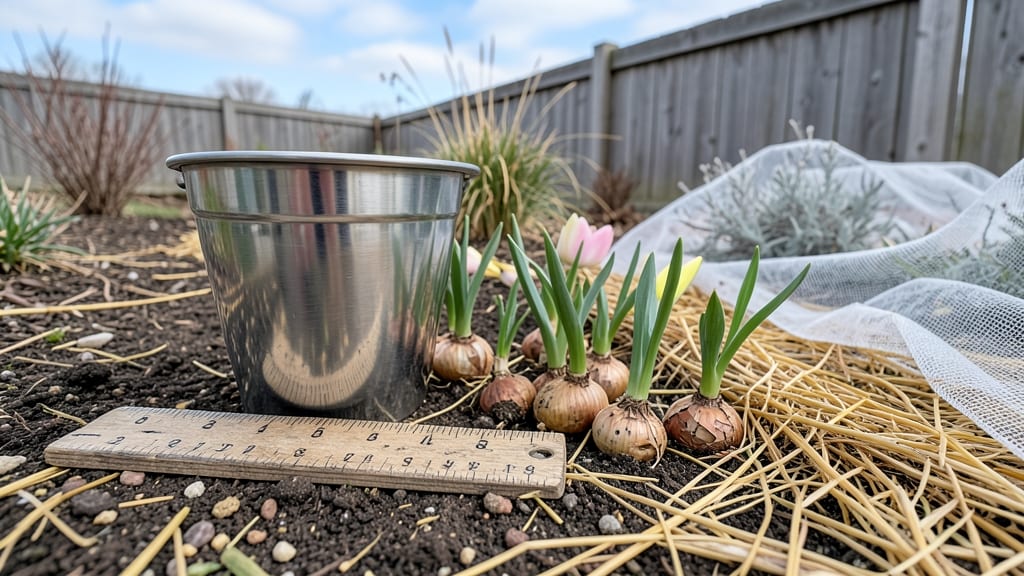
If you’ve ever planted tulips in Minnesota only to wake up to a frozen surprise the next spring, you’re not alone. The secret to reliable blooms lies in understanding when to plant tulips in Minnesota—specifically, the 6-week window before the ground freezes in zones 4a to 5a.
Fall is the only time to plant 🌷 tulips, but Minnesota’s unpredictable frost dates make timing critical. Plant too early, and bulbs may sprout before winter; too late, and they won’t establish roots before the ground locks up.
The ideal window is September to October, when soil temperatures drop to 40–50°F—perfect for root growth before dormancy.
Here’s what you’ll learn: how to align planting with Minnesota’s chill-hour needs, which tulip varieties thrive in harsh winters, and 5 pro tips to protect your investment from heaving and frost damage. Let’s get those bulbs in the ground the right way.
With the right timing and a little local know-how, you’ll be rewarded with bold, early spring blooms—no more guessing games. Ready to dig in?
Minnesota tulip planting timeline: best months by hardiness Zone
Minnesota’s USDA Hardiness Zones 3-5 create unique challenges for tulip planting, but the good news is that fall planting gives you a clear window to succeed. The ideal timeframe is 6-8 weeks before the ground freezes, typically between mid-September and mid-October.
This timing ensures bulbs establish roots before winter dormancy begins.
For Zone 4 (northern MN), aim to plant by late September—earlier than Zone 5 areas. In Zone 5 (southern MN), you can extend planting until early November, but avoid planting when soil temperatures drop below 40°F, as this stunts root growth.
Always check your local first frost date (usually mid-October) to plan accordingly.
Soil temperature is your best indicator—wait until it consistently stays between 40–50°F during the day. Use a soil thermometer if unsure. Planting too early (August) risks premature sprouting, while planting too late (November) may leave bulbs vulnerable to frost heaving or poor root establishment.
Here’s how to align your planting with Minnesota’s fall frost timeline:
| Zone | Ideal Planting Window | Soil Temp Threshold | Key Risk |
|---|---|---|---|
| Zone 3 (Northern MN) | Mid-September to early October | 40–50°F | Early frost or heaving |
| Zone 4 (Central MN) | Late September to mid-October | 40–50°F | Premature sprouting |
| Zone 5 (Southern MN) | Early September to early November | 40–50°F | Late-season heaving |
🌱 Pro Tip: Use a moisture meter to confirm soil readiness—it should feel cool but workable, like a damp sponge.
If you miss the primary planting window, don’t despair—tulips can tolerate late fall planting (November) as long as the ground isn’t frozen. However, bulbs planted after ground freeze may produce fewer or smaller blooms the following spring. For Zone 3 gardeners, prioritize early planting to avoid winter stress.
Layered planting is another Minnesota-proven strategy to extend your bloom season. Plant early bloomers (e.g., 'Dutch Master') in September and late bloomers (e.g., 'Fosteriana') in October. This ensures continuous color from late April to June, regardless of unpredictable spring weather.
Always amend your soil with compost or bulb fertilizer before planting to improve drainage—a critical factor in Minnesota’s clay-heavy soils. Aim for 6–8 inches deep and 4–6 inches apart for standard tulips, adjusting for dwarf varieties.
Mulch with 2–3 inches of straw after planting to insulate bulbs and prevent frost heaving.
Finally, mark your tulip beds with stakes or flags—Minnesota’s snow cover can obscure planting locations until spring. This simple step saves time and ensures you don’t accidentally dig up bulbs during early spring cleanup.
By aligning your planting with Minnesota’s chill-hour needs and soil conditions, you’ll set your tulips up for vibrant, reliable blooms year after year—no matter how harsh the winter gets. 🌷
Tulip varieties ranked by chill-hour needs for Minnesota gardens
Minnesota’s cold winters are perfect for tulips—but not all varieties thrive equally. Chill-hour requirements (the number of hours below 45°F) determine which tulips will bloom reliably in USDA Zones 4a–5a.
Some need 3,000 hours, while others demand 12,000+ hours to trigger flowering. Choosing the right type ensures vibrant spring blooms every year.
For Minnesota, Darwin Hybrid and Fosteriana tulips are top performers because they handle our extreme chill and snow cover better than delicate varieties. Species tulips like Tulipa tarda also excel, thanks to their natural cold hardiness.
Meanwhile, Parrot and Double Late tulips often struggle unless planted in sheltered spots with extra mulch.
Here’s how the most popular tulip varieties stack up for Minnesota gardens, ranked from most reliable to most challenging based on chill-hour needs and cold tolerance:
If you’re in northern Minnesota (Zone 3–4), prioritize Fosteriana and species tulips for their lower chill-hour needs. In southern Minnesota (Zone 5), you can experiment with Parrot and Double Late varieties, but plant them in sheltered beds with extra mulch to protect from late frosts.
Pro tip: Layer your planting! Mix early-blooming species tulips (like Tulipa tarda) with late-blooming Darwin Hybridsspring color show from April through May. Just ensure all bulbs get planted by mid-October to avoid winter heaving.
For a foolproof Minnesota garden, stick to Darwin Hybrids and Fosterianas—they’ll reward you with bold, reliable blooms year after year, no matter how harsh the winter gets. 🌷