
Trees
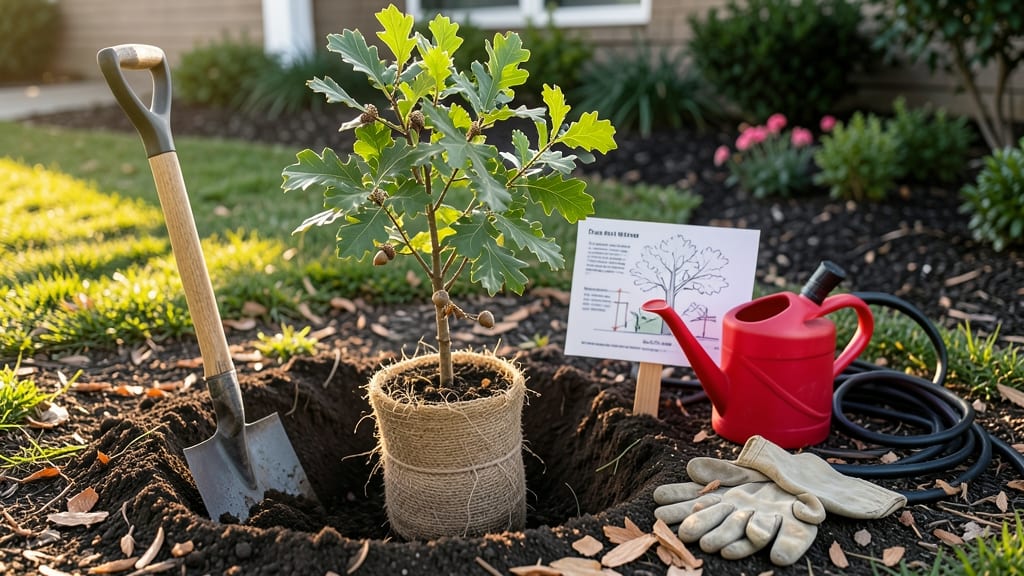
The best time to plant trees in Oklahoma isn’t just about grabbing a shovel—it’s about catching the perfect window when your 🌳 has the best shot at thriving. With Oklahoma’s 6a-7b zones swinging between chilly winters and scorching summers, planting too early or too late can leave your tree struggling before it even takes root.
Most gardeners swear by fall planting, and for good reason—cooler temps mean less stress on young roots, while winter rains give them a head start. But spring has its perks too, especially for container-grown trees that need to establish before Oklahoma’s heat kicks in.
The key? Avoiding those tricky frost dates that can turn a promising sapling into a sad statistic.
Whether you’re dreaming of a towering oak or a fruit-bearing favorite, timing matters more than you might think. I’ll break down exactly when to plant in your specific zone, which trees play best in each season, and how to give your new 🌳 the fighting chance it deserves—no guesswork required.
Ready to turn your yard into a thriving forest? Let’s dig into the science (and secrets) that separate successful plantings from disappointing ones.
Oklahoma planting zones: when spring vs fall wins for tree success
Oklahoma’s climate spans USDA hardiness zones 6b through 8a, meaning planting windows vary dramatically from the panhandle’s hotter regions to the cooler eastern forests. Fall and early spring are the golden periods, but which wins depends on your specific zone and tree species.
For example, northern Oklahoma (zone 6b) favors fall planting to beat early frosts, while southern Oklahoma (zone 8a) can extend spring planting into May.
Soil temperature is the critical factor—roots need 60°F+ soil to establish before dormancy. In fall, aim for planting 6-8 weeks before first frost (typically October-November in most zones).
Spring planting should happen 2-4 weeks after last frost (usually March-April), but never when soil is still cold or soggy.
Humidity also plays a role: Southern Oklahoma’s higher humidity in summer makes transplant shock riskier, while western Oklahoma’s dry heat can stress trees planted in summer months. Understanding these nuances ensures your tree thrives from day one.
🌱
🌳 Oklahoma Planting Zone Guide
| Zone | Best Planting Window | Soil Temp Threshold | Key Consideration |
|---|---|---|---|
| 6b (Northern OK) | Fall (Oct 15-Nov 15) | 60°F+ | Early frost risk; prioritize cold-hardy species |
| 7a (Central OK) | Fall (Oct 1-Nov 15) or Spring (Mar 15-Apr 15) | 60°F+ | Balanced climate; both seasons work well |
| 7b (Southern OK) | Spring (Mar 1-Apr 30) or Fall (Sep 15-Oct 30) | 65°F+ | Warmer winters; extend spring window |
| 8a (Southeast OK) | Spring (Feb 15-Apr 15) or Fall (Sep 1-Oct 15) | 70°F+ | Longer growing season; avoid summer heat stress |
In zone 6b, where winters are harsher, I always recommend fall planting for deciduous trees like redbuds or oaks. The cooler temperatures help roots establish before dormancy, and the tree enters winter with a strong foundation.
For evergreens like pines, spring planting is safer to avoid winter desiccation.
Conversely, zone 8a’s milder winters allow for a longer spring window. Here, I’ve seen fruit trees like pecans thrive when planted as late as May, as long as they’re watered deeply. The key is monitoring soil moisture—Oklahoma’s summer droughts can quickly stress newly planted trees.
Urban vs. rural also matters: City heat islands (like Oklahoma City) can push planting windows later into spring or earlier into fall by 2-3 weeks compared to rural areas. Always check local Oklahoma State University Extension resources for microclimate-specific advice.
One common mistake? Planting in summer. While container-grown trees can be planted in summer, they face transplant shock from extreme heat and dry winds. If you must plant in summer, choose overcast days and mulch heavily to retain moisture.
🌿
Pro tip: Use a soil thermometer to verify conditions before planting. I keep one handy to check 6-inch soil depth—this is where roots will first establish. For bare-root trees, soak roots for 1-2 hours before planting to rehydrate them, especially in fall when soils can dry out quickly.
Finally, don’t overlook mulching. A 3-inch layer of wood chips around the base (but not touching the trunk) helps regulate soil temperature and retain moisture. In spring, this means cooler roots; in fall, it insulates against early frosts.
✂️
Top 5 trees to plant in Oklahoma by season (with survival tips)
Oklahoma’s diverse climate means some trees thrive in fall’s cool embrace, while others need spring’s gentle warmth to take root. I’ve narrowed down the top 5 seasonal stars that’ll not only survive but thrive in your yard, plus the pro tips to keep them happy.
For fall planting (October-November), focus on trees that establish roots before winter dormancy. My top pick? Redbud trees—their vibrant blooms reward patience, and they handle Oklahoma’s 6a-7b chill like a champ. Pair them with Shumard oaks for long-term shade dominance.
Spring lovers should prioritize pecan trees (March-April) for that classic Oklahoma flavor, but watch out—these water hogs need deep soaks weekly until roots catch up. Crape myrtles are another spring superstar, offering drought tolerance once established.
🌳
- 🍂 Fall (Oct-Nov): Redbud & Shumard Oak – Plant before first frost (Nov 5-15). Mulch 3 inches deep to insulate roots.
- 🌸 Spring (Mar-Apr): Pecan & Crape Myrtle – Water deeply 2x/week until roots spread (6-12 months).
- ☀️ Year-Round (Containers): Dwarf Fruit Trees – Choose self-rooted varieties for urban yards; prune in late winter.
- 🌡️ Zone 6a Tip: Avoid summer planting—heat stress kills 50% of saplings before roots establish.
- 💧 Watering Hack: Use drip irrigation for new trees—saves 30% more water than hose watering.
Don’t overlook dwarf fruit trees like figs or persimmons—they’re perfect for small spaces and can go in any season except winter. Just remember: container-grown trees adapt faster than bare-root, so if you’re planting in December or February, opt for potted varieties.
Pro tip: Test your soil before planting—Oklahoma’s clay-heavy soils need compost or gypsum for drainage. A simple pH test (5.5-7.0 ideal) can save your tree from nutrient starvation. For acid-loving trees like azaleas, amend with sulfur.
Timing isn’t everything, but with these seasonal picks and care tricks, your Oklahoma trees will grow stronger, faster, and healthier—no guesswork required. Now go plant that shade canopy you’ve been dreaming of!