
Companion Plants
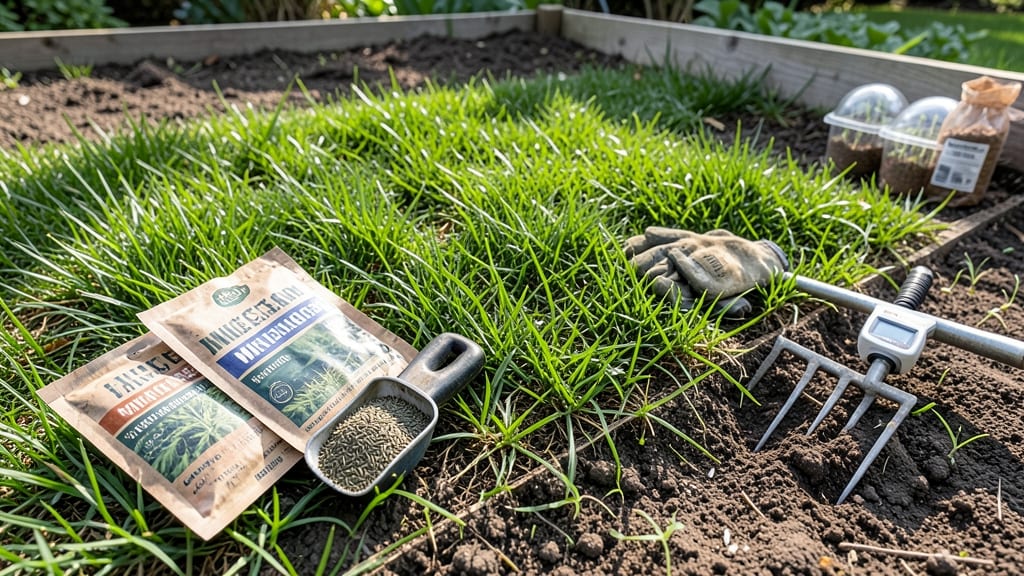
Timing your grass seed planting in Minnesota can make the difference between a lush, green lawn and months of frustration—especially when frost dates shift unpredictably from year to year.
The right window isn’t just about avoiding early freezes; it’s about matching your grass type to Minnesota’s Zone 4-5 climate, where soil temperatures and rainfall patterns play a surprisingly big role.
Cool-season grasses like Kentucky Bluegrass and Fescue thrive when planted in early spring or fall, but getting the timing wrong means wasted seed or slow establishment.
I’ve dug into local gardening data to break down the exact frost-free windows for each season, so you can avoid common mistakes that leave lawns thin or patchy.
Whether you’re tackling a new lawn or overseeding an existing one, this guide covers the critical deadlines you need to know—plus soil prep tips tailored to Minnesota’s moisture-heavy springs and dry spells. Let’s get your grass off to the best possible start.
You’ll discover how to read your local frost dates, choose the best grass varieties for your yard, and even troubleshoot issues like weeds or uneven germination. Ready to transform your lawn? Let’s dive into the details that matter most for Minnesota gardeners.
Minnesota grass seed planting deadlines by Zone 4-5: exact frost-free windows
Minnesota’s Zone 4-5 climate means your grass seed planting window is tight—miss it, and you’ll battle frost or summer drought. The ideal frost-free window spans from 4-6 weeks before the last frost in spring to 6-8 weeks before the first frost in fall.
For most of Minnesota, this translates to March-April for spring and September-October for fall, but exact dates vary by region.
Northern Minnesota (Zone 4) has shorter frost-free windows—often just 120 days—while southern Minnesota (Zone 5) enjoys 140-160 days. The key is planting when soil temperatures hit 50°F (10°C) and stay consistent. Use a soil thermometer to confirm—cold soil slows germination, while warm soil speeds it up.
⚠️ Critical: Avoid planting in late summer (July-August), when heat and drought stress young grass. Even Kentucky Bluegrass, Minnesota’s top choice, struggles in extreme heat. Instead, prioritize early spring or late summer for best results.
Here’s your Minnesota planting timeline broken down by zone and season, including frost dates and soil prep cues:
For Zone 4 (northern MN), aim to plant by May 1 in spring or by September 15 in fall. In Zone 5 (southern MN), you have until June 1 in spring or October 1 in fall.
Use the University of Minnesota Extension’s frost date map to pinpoint your exact window—it accounts for microclimates like urban heat islands.
Pro tip: Late August is a hidden gem for fall planting. By then, summer heat has passed, but soil stays warm enough for germination. Just be ready to overseed in early spring if winter kills tender seedlings.
I’ve seen Tall Fescue thrive when planted this way—it’s drought-tolerant and holds up better than Bluegrass in dry spells.
If you’re in doubt about timing, err on the earlier side. Grass seed sown in cool soil (45°F) germinates slowly but establishes deeper roots. Wait too long, and you’ll face competition from weeds or dormant grass smothering new shoots.
Test your soil’s readiness with a moisture meter—top 2 inches should stay damp but not soggy.
For overseeding existing lawns, follow the same rules but add 1-2 weeks to your timeline. Existing grass shades new seedlings, so thin your lawn first with a lawn mower set high or a dethatching rake.
I’ve overseeded my Kentucky Bluegrass in early September with great success—just watered deeply twice daily for the first 2 weeks.
Remember: Minnesota’s weather is unpredictable. Even if the calendar says it’s safe, check the 10-day forecast for frost warnings. A late frost in May or an early chill in September can wipe out young grass.
If frost is forecasted, cover seedlings with lightweight row covers or straw mulch until temperatures rise.
Finally, track your progress
How to prepare your Minnesota lawn for grass seed success
Before you even sprinkle that first bag of grass seed, proper soil preparation is your secret weapon for a thick, vibrant lawn in Minnesota’s Zone 4-5 climate. Skipping this step means battling weeds, uneven germination, or seed that simply won’t take hold in compacted soil.
I’ve learned the hard way—my first attempt at overseeding last year failed because I didn’t loosen the soil enough, leaving patches where the seed couldn’t make contact.
Start by testing your soil’s pH level—Minnesota’s clay-heavy soils often lean acidic (below 6.0), which stunts grass growth.
A simple home test kit (or send a sample to the University of Minnesota Extension) will tell you if you need to add lime to raise the pH to the ideal 6.0-7.0 range for cool-season grasses.
If your soil is too alkaline, sulfur or peat moss can help lower it.