
Companion Plants
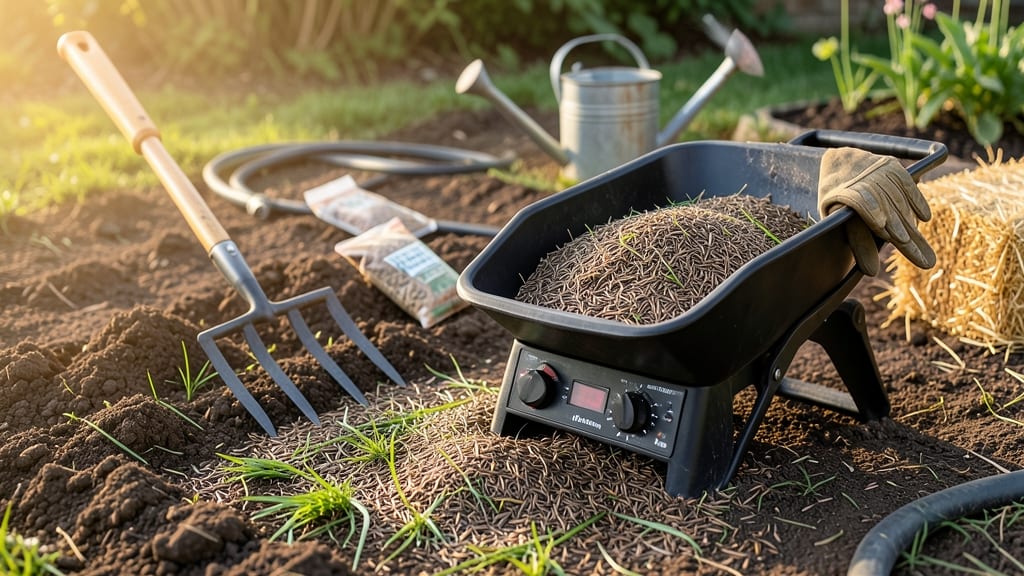
Planting grass seed in the fall is your best shot at a lush lawn next spring—but get the timing wrong, and you'll end up with patchy growth or wasted effort.
The key lies in understanding your local climate and soil conditions to create the perfect window for cool-season grasses to establish deep roots before winter.
Most experts agree that 4-6 weeks before your first frost is ideal, but this can vary dramatically depending on whether you're in the Northern or Southern U.S. For USDA Zone 6a, that typically means aiming for late August to early September.
This timing allows seedlings enough time to germinate and develop strong root systems before the ground freezes.
Why does fall planting work so well? Cool temperatures reduce weed competition, and consistent rainfall often means less watering for you. Plus, grass planted in fall has a head start on spring growth, giving you a thicker, healthier lawn by summer.
Let's break down exactly how to make the most of this critical planting window.
We'll cover soil preparation, temperature thresholds, and how to protect your new grass from early frost or deer damage. Whether you're seeding a new lawn or overseeding an existing one, these strategies will help you avoid common fall planting mistakes and set your grass up for success.
Optimal fall planting window for grass seed by US climate Zone
Fall is the ideal season for planting cool-season grass seed like Kentucky bluegrass and fescue because the soil stays warm while air temperatures cool. This balance gives seeds time to germinate and establish deep roots before winter dormancy.
But the exact timing depends on your USDA hardiness zone and local frost patterns.
Most gardeners aim to plant 4-6 weeks before the first frost. For example, in Zone 5 (Midwest), that’s typically mid-to-late September, while in Zone 8 (South), you might extend planting until early November.
The key is to avoid planting too early when soil temperatures exceed 85°F, which stresses seeds.
Here’s how to adjust your planting window based on your region:
| USDA Zone | Best Planting Window | Soil Temp Threshold | Grass Types |
|---|---|---|---|
| Zones 3-4 (Northern) | Late August to mid-September | 60-75°F | Tall fescue, fine fescue |
| Zones 5-6 (Midwest) | Mid-September to early October | 55-70°F | Kentucky bluegrass, ryegrass |
| Zones 7-8 (South) | Early September to November | 65-80°F | Bermuda, zoysia (warm-season) |
| Zones 9-10 (Southwest) | September to early October | 70-85°F | St. Augustine, centipede |
If you’re unsure about your first frost date, check the National Weather Service or local agricultural extension office. For example, in Zone 6, planting in early October might be risky if frost arrives by mid-October, but late September is usually safe.
Pro tip: Use a soil thermometer to confirm temperatures. Cool-season grasses thrive when soil temps are between 55-75°F. If your soil is still too warm, wait a week or two—patience prevents seed dormancy and poor germination.
For warm-season grasses (like Bermuda or Zoysia), fall is still a good time to overseed, but focus on late summer for new lawns. These grasses prefer warmer soil and air temps, so aim for August in most regions.
Don’t forget to account for early frosts. If your area has unpredictable weather, plant 2 weeks earlier than the average frost date. A light frost won’t harm established seedlings, but new sprouts need time to harden off before winter.
For northern climates, consider using a frost blanket or straw mulch after planting to protect young grass from unexpected cold snaps. This gives seeds extra time to germinate without risking damage.
Finally, if you miss the fall window, don’t panic! You can plant in early spring, but growth will be slower due to cooler soil temps. Spring planting also risks weed competition, which can outcompete young grass seedlings.
Best fall planting window for grass seed by region (and why timing matters)
Timing your grass seed planting in fall is all about giving seedlings time to develop deep roots before winter dormancy. Cool-season grasses like tall fescue and Kentucky bluegrass thrive when planted 4-6 weeks before the first frost. This window ensures roots establish while temperatures stay mild—ideal for germination.
Miss the window, and you risk shallow roots or winter kill. Southern regions (USDA Zones 7-10) can plant later—even into November—while Northern zones (3-6) should aim for late August to early October. Soil temperatures between 60°F and 75°F are perfect for germination.
🌱
| Region | USDA Zones | Best Planting Window | Soil Temp Threshold | Key Risk |
|---|---|---|---|---|
| Northern (Cold Climates) | 3-6 | Late August–Early October | 60°F–75°F | Early frost |
| Midwest (Moderate) | 5-7 | September–Mid-October | 65°F–70°F | Weed competition |
| Southern (Warm) | 7-10 | October–November | 70°F–75°F | Drought stress |
Check your local frost dates—most regions experience their first frost between mid-October and November. Planting too late leaves seedlings vulnerable to winter die-off, while planting too early may trigger weed dominance before your grass establishes. Aim for 6-8 weeks of growth before frost hits.
For example, if your first frost is November 1st, target September 15th for planting. This gives your grass 6 weeks to germinate and grow roots before dormancy. Use a soil thermometer to confirm temperatures—cool-season grasses need consistent warmth to sprout.
Pro tip: Ryegrass germinates faster than fescue, making it ideal for late fall plantings in cooler zones. Mixing seed types can also extend your planting window by balancing growth speeds.
☀️