
Planting
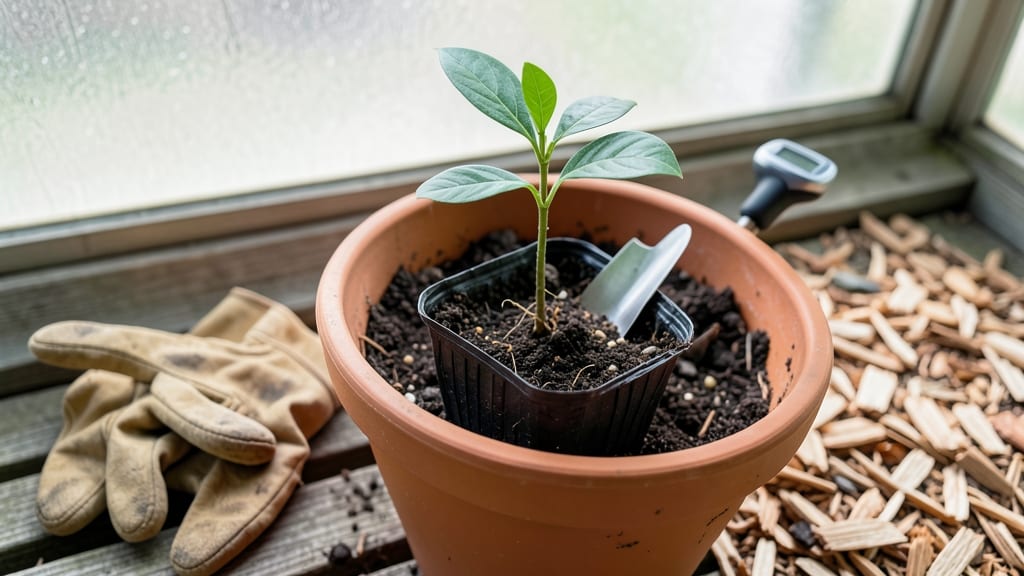
If you’ve been patiently watching your avocado pit sprout roots in water, you’re probably wondering: when should I put my avocado plant in soil to give it the best shot at thriving?
Rushing too soon can shock those delicate roots, while waiting too long risks stunting growth. The key is timing—when those roots reach about 2-3 inches and look firm, not mushy. This usually happens within 3-8 weeks, depending on warmth and humidity.
But here’s the real game-changer: spring is your golden window, especially after the last frost in USDA Zone 6a. Planting in April or May means your avocado gets the gentle warmth it craves without the stress of extreme temperatures.
I’ll walk you through exactly how to tell if your plant is ready, plus the simple steps to transplant it without losing momentum. Let’s get those roots into soil the right way!
How long to wait before planting your avocado seed in soil
Timing your avocado seed transplant is like waiting for the perfect wave—too soon and you’ll wipe out, too late and you’ll miss the ride. Most avocado seeds need 3 to 8 weeks in water to grow roots that are 2-3 inches long and firm enough to handle soil without breaking.
I’ve seen seeds ready in just 4 weeks when kept in warm water, while others take nearly 2 months—it all depends on your home’s warmth and humidity levels.
Look for roots that are white and woody, not pale or mushy. These roots should feel slightly firm when you gently press them—like a fresh carrot. If they bend easily or smell funky, they’re not ready.
I once planted a seed with soft roots, and within days, the whole thing turned to mush. Patience here saves you from heartbreak later!
| Root Stage | Length | Time in Water | Soil Readiness |
|---|---|---|---|
| Sprouting | <1 inch | 1-2 weeks | Not ready |
| Developing | 1-2 inches | 3-5 weeks | Borderline |
| Strong Roots | 2-3+ inches | 6-8 weeks | Perfect for soil! |
Your local climate plays a huge role in timing. In warm zones like USDA Zone 9+, you can transplant as early as late winter if indoor temps stay above 60°F.
But in cooler areas (like my Zone 6 garden), I always wait until spring after the last frost—usually April or May. Last year, I tried planting in March, and my seedling wilted within days from the cold shock. Lesson learned: wait for warmth!
Never ignore root health. Healthy roots should be white and firm, never brown or slimy. If you spot a foul smell or mushy texture, your seed has root rot—a death sentence for transplanting.
In this case, trim the bad roots, rinse the seed in clean water, and give it another week in fresh water. I’ve rescued multiple seeds this way, so don’t toss it just yet!
Once your roots hit 2-3 inches and feel firm but flexible, it’s go time. But don’t wait until they’re 4+ inches—long roots get tangled and stressed during transplant. I’ve found the 3-inch mark gives the best balance between strength and adaptability.
Pro tip: Do the \"finger test\"—press the roots gently. If they feel like a carrot (firm but bendable), they’re ready. If they’re squishy, wait another week!
Season matters too. In USDA Zone 6a, my ideal planting window is mid-April to early May, after the last frost. If you’re in a warmer zone, you might start as early as March.
Always check your local frost dates—planting too soon can kill your seedling before it even gets started. I check the Almanac’s frost calendar every year to avoid this mistake.
One final check: Ensure your roots aren’t tangled. If they’re knotted like spaghetti, gently tease them apart before planting. I use a toothpick to carefully separate stubborn roots—it’s a small effort that makes a big difference.
With the right timing and prep, your avocado seed will transition from water to soil like a pro!
How long to wait before planting your avocado seed in soil
Your avocado seed needs time to develop strong roots before it’s ready for soil. Most seeds take 3 to 8 weeks in water to grow roots long enough (about 2-3 inches) for a smooth transition. Rushing this step often leads to root damage or rot, so patience is key.
I’ve seen seeds ready in as little as 4 weeks if kept in warm water, while others need closer to 2 months—it depends on your climate and care routine.
Watch for firm, white roots with a slightly woody texture—this signals they’re strong enough to handle soil. If roots are still thin or mushy, keep them in water for another week.
I once waited too long and ended up with a seedling that struggled to adapt, so don’t overlook this critical step. The goal is to avoid shocking the delicate root system when it meets soil for the first time.
| Stage | Root Length | Time in Water | Readiness for Soil |
|---|---|---|---|
| Early Root Growth | <1 inch | 1-2 weeks | Not ready |
| Moderate Growth | 1-2 inches | 3-5 weeks | Borderline (wait if roots are thin) |
| Strong Root System | 2-3+ inches | 6-8 weeks | Ready for soil! |
Timing also depends on your local climate. If you’re in a warm zone (like USDA Zone 9+), you can transplant as early as late winter when indoor temps stay above 60°F.
In cooler areas (like Zone 7 or below), wait until spring after the last frost—typically April or May—to avoid cold stress. I once transplanted mine in March in my Zone 6 garden, and the shock nearly killed it!
Another critical factor is root health. Healthy roots should look white and firm, not brown or mushy. If roots develop a foul smell or turn slimy, your seed has root rot—a sign it’s not ready for soil.
In this case, trim the bad roots, rinse the seed, and return it to fresh water for another week. I’ve rescued several seeds this way, so don’t give up if yours looks struggling.
Once your avocado seed has 2-3 inches of healthy roots and your local temps are consistently above 60°F, it’s time to plant. But don’t wait too long—roots over 4 inches can become tangled and stressed during transplant.
I’ve found that planting at the 3-inch mark gives the best balance of root strength and flexibility for soil adaptation.
Pro tip: If you’re unsure, do the "finger test". Gently press the roots—if they feel firm but pliable (like a carrot), they’re ready. If they bend easily or feel squishy, wait another week. This simple trick saved me from several failed transplants early in my gardening journey!