
Plants
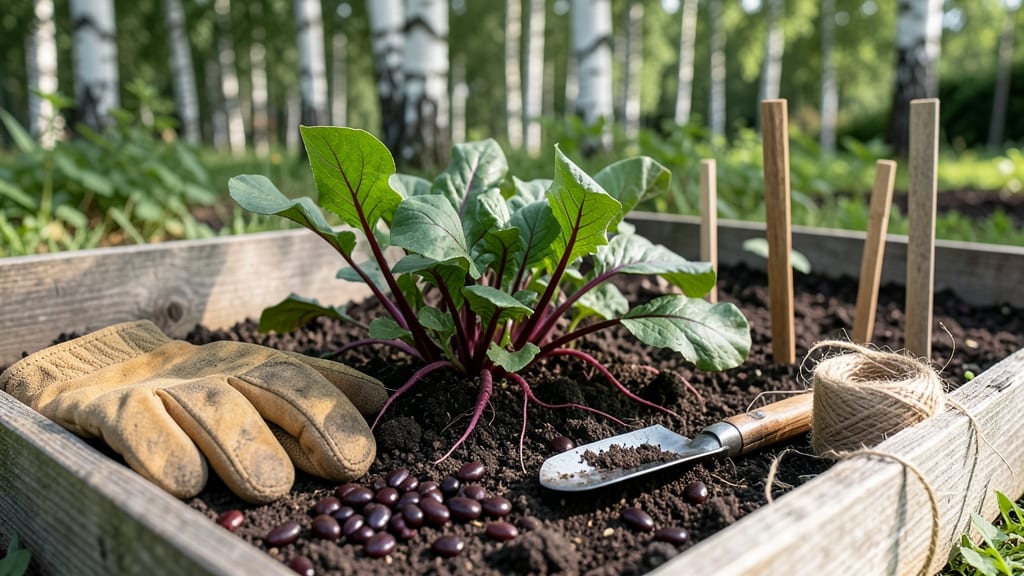
Timing your beet 🍠 planting in Zone 6b can mean the difference between a bumper harvest and wasted seeds—especially when frost sneaks up faster than you expect.
Most gardeners in 6b know the struggle: plant too early, and chilly soil stalls germination; too late, and your harvest shrinks before the first frost hits. The key is locking in two perfect windows—early spring and late summer—where soil warms just enough for those tiny seeds to sprout reliably.
I’ll break down the exact frost-free deadlines for Zone 6b, plus pro tips to stretch your growing season so you can enjoy sweet, tender beets from June through November.
Ready to turn your garden into a beet bonanza? Let’s dive into the fastest, foolproof schedule for planting these root veggies like a local.

Optimal planting windows for beets in Zone 6b (with frost dates)
In Zone 6b, where last frosts typically arrive around April 15 and first frosts hit October 15, beets demand precision timing. Plant too early, and chilly soils slow germination; too late, and your harvest shrinks before frost.
The sweet spot? Two planting windows: early spring (March–April) and late summer (July–August) for fall harvests.
Beets thrive when soil temperatures hover between 40–80°F. In Zone 6b, this means waiting until soil warms to 50°F+ (usually mid-April) for spring plantings. For fall, sow seeds 8–10 weeks before your first frost—aim for early August to ensure mature roots before cold sets in.
Here’s the frost-free timeline for Zone 6b beets, broken into key stages:
For spring plantings, start seeds indoors 4–6 weeks before your last frost (early March in Zone 6b) to get a jump on germination. Transplant seedlings outdoors once soil warms, or direct-sow seeds when soil hits 50°F+.
In my garden, I’ve found that covering seeds with a cloche extends the spring window by 2–3 weeks.
In late summer, focus on fast-maturing varieties (like ‘Babybeat’ or ‘Detroit Dark Red’) to beat frost. Sow seeds in early August for a harvest by mid-October. Use row covers to protect young plants if nights dip below 45°F.
Pro tip: Succession planting every 2 weeks in spring and 3 weeks in fall ensures a steady supply. In Zone 6b, this means 3–4 sowings in spring and 2 in late summer for fall harvests.
Watch for soil temperature fluctuations—cold snaps can stall germination. Use a soil thermometer to confirm readiness. I’ve learned the hard way that planting too early in chilly soil leads to slow, uneven sprouts.
In fall, prioritize hardy varieties like ‘Chioggia’ or ‘Cylindra’ that tolerate cooler temps. Aim to harvest before consistent frosts (below 28°F) to avoid woody roots. Mulch with straw or leaves to insulate soil and extend the season.
Remember: Beets are cold-hardy but not frost-tolerant. The goal is to time harvests before frost, not after. With these windows, you’ll enjoy sweet, tender beets from June through November in Zone 6b.
🌱
Optimal planting windows for beets in Zone 6b (with frost dates)
Zone 6b gardeners face a 165-day frost-free window—just enough time to grow beets from seed to harvest if you plant strategically. The last average frost date in Zone 6b is April 15, while the first frost typically arrives October 15.
Beets thrive in soil temperatures between 40-80°F, so timing your plantings around these dates ensures fast germination and a full harvest.
For spring plantings, start seeds indoors 4-6 weeks before your last frost (around mid-March) or sow directly outdoors 2-3 weeks after (early April).
This gives you 60-70 days to harvest before summer heat stresses the plants. Fall plantings should begin July 1-15 to mature before frost—aim for a 50-60-day harvest window.
| Planting Window | Soil Temp | Frost Risk | Harvest Window |
|---|---|---|---|
| Early Spring (March 15-April 15) | 45-60°F | High (use row covers) | June-August |
| Late Summer (July 1-August 15) | 60-75°F | Low (best window) | September-October |
| Fall (August 15-September 15) | 50-65°F | Moderate (harvest before frost) | October-November |
Succession planting is key in Zone 6b. Sow seeds every 2 weeks from March to July to stagger harvests and avoid gluts. For example, plant March 15, April 1, April 15, and May 1 for continuous production. In fall, a late July planting ensures roots mature before October’s first frost—just don’t let soil temps drop below 50°F or germination slows dramatically.
Microclimates matter! If your garden sits in a warmer microclimate (e.g., near a south-facing wall), you can push spring plantings 1-2 weeks earlier. Conversely, low-lying areas may need row covers to protect young seedlings from late frosts.
Always check your local frost dates—they can vary by 5-7 days even within Zone 6b.
Pro tip: Pre-sprout seeds 2-3 days before outdoor planting to compensate for cool soil. Soak seeds in warm water overnight, then place them in a moist paper towel in a warm spot (70°F). This jumpstarts germination by 3-5 days, critical for Zone 6b’s short window.
Remember: Beets are cold-hardy but hate heat. Avoid planting after mid-August—summer’s intensity causes bolting (flowering) and woody roots. Instead, focus on cool-season windows for the sweetest, tender harvests.