
Plants
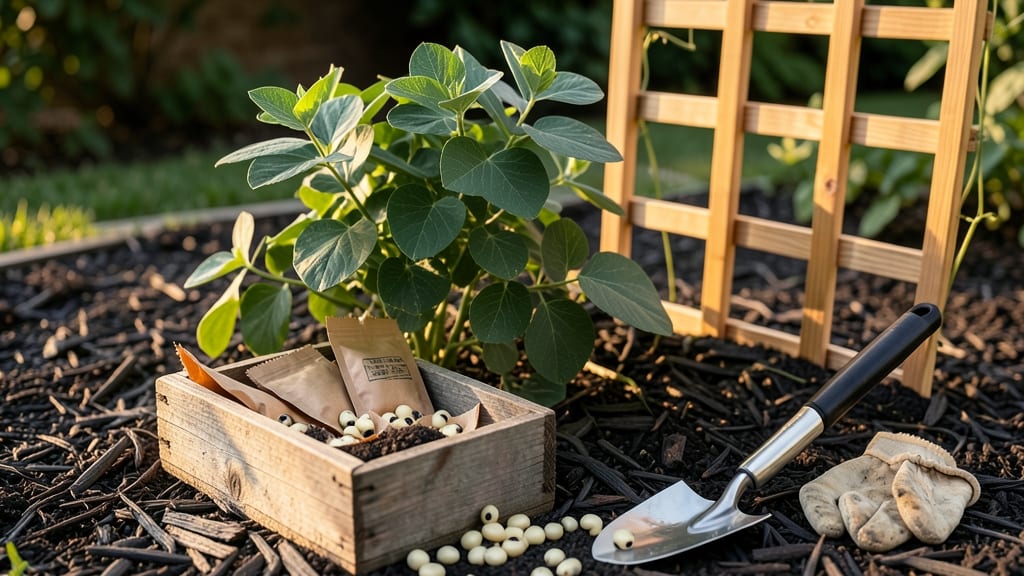
Planting black-eyed peas in Texas isn’t just about tossing seeds into the dirt—it’s about timing them perfectly to beat the heat and avoid frost.
Whether you're in Zone 8a or 10b, getting these heat-loving legumes in the ground too early or too late can mean the difference between a garden full of pods and a sad, wilted disappointment. The key?
Understanding your local frost dates, soil temperatures, and how to stretch your growing season.
Texas gardeners know the struggle: one week it’s chilly enough for a light jacket, the next it’s 90°F by noon. Black-eyed peas (🌱) need warm soil to germinate—at least 60°F—and they’ll bolt (or worse, rot) if planted when the ground is still cool.
That’s why late winter to early spring is your sweet spot for spring plantings, but fall offers a second chance if you play your cards right.
Here’s the game-changer: most Texas gardeners miss the 60-day harvest window because they either plant too early (risking frost) or too late (risking summer heat stress).
I’ll break down the exact months to aim for in your zone, plus pro tips to keep your plants thriving—whether you’re in North Texas or South Texas. Ready to turn your garden into a black-eyed pea powerhouse?
Let’s dive into the ideal planting calendar, soil prep secrets, and how to outsmart Texas’s unpredictable weather. By the end, you’ll know exactly when to plant for a harvest that’ll last from spring to fall—and maybe even convince your neighbors to try their own patch.
Texas black-eyed pea planting calendar by hardiness Zone & frost dates
Texas spans USDA zones 6a through 10b, and your last frost dates vary dramatically from North to South. In North Texas (zones 6a-7a), the average last frost is March 15, while South Texas (zones 9a-10b) rarely sees frost after January 31.
Planting too early in cold soil (below 55°F) stunts germination, but waiting too late risks summer bolting.
For spring harvests, aim to plant 2-3 weeks before your last frost date—typically February in North Texas and January in South Texas. Fall plantings should occur 60-70 days before your first frost (e.g., September-October in most zones). This timing ensures mature pods before winter chill sets in.
Soil temperature is critical: black-eyed peas won’t germinate below 60°F. Use a soil thermometer to confirm warmth before sowing. In West Texas (zones 7b-9a), where drought stress is high, prioritize deep watering to maintain consistent moisture.
Here’s your zone-specific planting calendar with frost dates, ideal months, and soil temperature thresholds to maximize your harvest:
| Zone | Last Frost | First Frost | Ideal Planting Months | Soil Temp Threshold |
|---|---|---|---|---|
| 6a-7a (North TX) | March 15 | November 15 | February–March, September | 60°F+ |
| 7b-8a (Central TX) | February 28 | December 1 | January–March, September–October | 60°F+ |
| 8b-9a (Hill Country) | February 15 | November 30 | January–April, September–October | 60°F+ |
| 9b-10a (South TX) | January 31 | December 15 | January–May, September–November | 60°F+ |
| 10b (Rio Grande Valley) | January 15 | December 1 | Year-round (avoid summer heat) | 60°F+ |
🌱 Pro Tip: Use black plastic mulch to warm soil faster in early spring plantings.
In North Texas (zones 6a-7a), focus on spring plantings (February–March) to avoid summer’s extreme heat. Central Texas (7b-8a) gardeners can extend harvests with fall plantings in September, while South Texas (9b-10b) enjoys year-round growing—just skip June–August to prevent bolting.
For direct sowing, scatter seeds 1 inch deep and 3 inches apart in rows 18 inches apart. If using transplants, harden them off for 7-10 days before setting out after soil warms to 65°F+.
In West Texas, opt for drought-tolerant varieties like ‘Purple Hull’ or ‘Crowder.’
Monitor your plants for powdery mildew in humid zones (like East Texas) or aphids in dry conditions. Neem oil or insecticidal soap can treat infestations without harming pollinators. Rotate crops yearly to prevent soil-borne diseases like root rot, common in heavy clay soils.
Harvest begins 60 days after planting when pods are 2-3 inches long and seeds are visible but still tender. Pick every 2-3 days to encourage more production. In South Texas, you can enjoy two harvests per year—spring and fall—if you stagger plantings every 3-4 weeks.
Save seeds from your healthiest plants for next year! Let pods dry on the vine, then shell and store seeds in a cool, dry place. Black-eyed peas are nitrogen-fixing, so they improve soil health—plant them near corn or tomatoes for a natural fertilizer boost.
🌿
Texas black-eyed pea planting calendar by hardiness Zone & frost dates
Texas gardeners enjoy long growing seasons for black-eyed peas, but timing matters. These heat-loving legumes need soil temperatures above 60°F to germinate properly. Planting too early in cold soil risks rot, while waiting too late cuts harvest potential. Let’s break down the perfect planting windows by Texas hardiness zones (6a-10a).
North Texas (Zone 6a-7b) faces earlier frost risks than South Texas (Zone 9a-10b). In colder zones, aim for late February to early March for spring planting, while warmer zones can start as early as January.
Fall plantings should occur 2-3 months before first frost to ensure maturity before cold snaps.
🌱 Key Rule: Always check your last frost date (North Texas: March 15; Central: Feb 28; South: Jan 31) and plant 60 days before harvest. Use a soil thermometer to confirm 60°F+ soil temps before sowing.
📅 Planting Deadlines by Zone:
- North Texas (6a-7b): Last spring planting by April 15; fall planting by September 1.
- Central Texas (8a-8b): Last spring planting by May 1; fall planting by September 15.
- South Texas (9a-10b): Can plant year-round but avoid summer heat (June-August).
| Zone | Spring Planting | Fall Planting | Last Frost Date | Soil Temp |
|---|---|---|---|---|
| 6a-7b (North) | Feb 28 - Mar 15 | Sep 1 - Sep 15 | Mar 15 | 60°F+ |
| 8a-8b (Central) | Mar 1 - Apr 15 | Sep 15 - Oct 1 | Feb 28 | 60°F+ |
| 9a-10b (South) | Jan 15 - Feb 28 | Oct 1 - Nov 1 | Jan 31 | 65°F+ |
For direct sowing, scatter seeds 1 inch deep and 3-4 inches apart in rows 18 inches apart. If using starter transplants, harden them off for 7-10 days before transplanting after soil warms. In South Texas, avoid summer planting—100°F+ temps cause bolting (premature flowering).
Pro tip: Use black plastic mulch to warm soil faster in early spring. This trick adds 2-3°F to soil temps, helping seeds germinate 5-7 days earlier. Pair with drip irrigation to maintain consistent moisture during dry Texas springs.
Remember: Black-eyed peas fix nitrogen in soil, so don’t over-fertilize. Too much nitrogen leads to leafy growth instead of pods. Aim for low-nitrogen fertilizer (5-10-10) only if soil tests show deficiencies.