
Plants
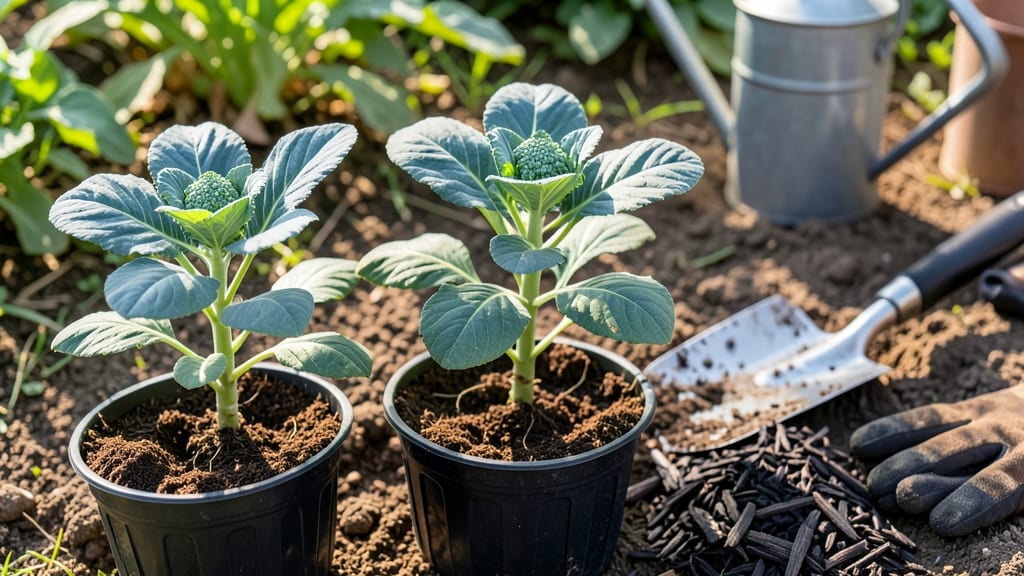
If you've ever planted broccoli 🥦 in North Carolina only to watch it bolt into bitter flowers before you could harvest it, you're not alone.
The key to success lies in understanding the perfect planting windows—because timing isn't just about seasons, it's about avoiding the heat that turns your hard work into disappointment.
North Carolina's diverse climate zones—from the cooler mountains to the warmer coastal plains—mean your neighbors might be harvesting while you're still waiting.
The ideal times to plant broccoli are early spring (February-March) or late summer (July-August), but getting it wrong can mean the difference between a bountiful harvest and wasted effort. Let me show you exactly how to align your planting schedule with NC's unique growing conditions.
You'll discover why planting too early or too late can lead to bolting, and how to use frost dates to your advantage.
Whether you're starting seeds indoors or sowing directly in the garden, these strategies will help you grow broccoli that's crisp, flavorful, and ready to harvest at just the right moment. Let's get your garden on the path to success.
From Piedmont to Coastal Plain, we'll cover the specific considerations for each region, including soil temperature tips and the best varieties suited for North Carolina's climate. By the end, you'll have a clear roadmap to planting broccoli that thrives—no matter where you are in the state.
Optimal North Carolina broccoli planting windows: spring vs fall timing explained
North Carolina’s diverse climate zones—from the coastal plain to the mountains—mean broccoli planting times vary by region. The key to success is planting during cool-season windows when temperatures stay between 45°F and 75°F. Outside this range, broccoli bolts (sends up flower stalks), turning bitter and inedible.
Most NC gardeners focus on two planting windows: early spring and late summer. Spring planting starts 4–6 weeks before your last frost date (typically February to early March in the Piedmont, later in the mountains).
Fall planting begins 90–100 days before the first frost (usually July to early August), ensuring harvests before winter sets in.
Regional adjustments matter. Coastal areas like Wilmington have longer growing seasons (plant as late as April for spring), while the mountains (e.g., Asheville) must start earlier (January to February) to avoid late-spring heat. Use your USDA Zone (6a–8b) as a guide but always check local frost dates for precision.
🌱 North Carolina Broccoli Planting Windows by Season
| Season | Planting Time | Key Considerations | Harvest Window |
|---|---|---|---|
| Spring | Feb–Mar (Coastal) Jan–Feb (Mountains) |
Soil temp: 45°F+ Seedlings: 4–6 weeks before last frost Avoid late-spring heat |
Apr–Jun |
| Fall | Jul–Aug | Plant 90–100 days before first frost Use shade cloth in late summer Soil temp: 70°F or lower |
Oct–Dec |
| Late Summer (Succession) | Jun (Coastal) May–Jun (Mountains) |
Fast-maturing ‘De Cicco’ variety Shade cloth required Harvest before September heat |
Aug–Sep |
📌 Pro Tip: Check your NC State Climate Office for hyper-local frost dates—they vary by 5–10 days even within the same county!
For spring planting, start seeds indoors 4–6 weeks before your last frost date (use grow lights if natural light is limited). Transplant seedlings outdoors when soil temps reach 45°F and nighttime temps stay above 30°F.
Harden off seedlings by gradually exposing them to outdoor conditions for 7–10 days before transplanting.
In fall, prioritize slow-bolting varieties like ‘Waltham 29’ or ‘Calabrese’. Plant seeds directly in the ground (they germinate better than transplants in heat) or use shade cloth (30–50%) to protect seedlings from late-summer sun. Aim to harvest before October’s cooling trend triggers bolting.
North Carolina’s microclimates can shift planting windows by weeks. For example, the Coastal Plain (Zone 8a) might handle a late-March spring planting, while the Mountains (Zone 6a) should plant by February. Always monitor soil temperature—broccoli seeds need 40°F+ to germinate, and seedlings stunt below 50°F.
If you miss the primary windows, consider succession planting with fast-maturing varieties like ‘Belstar’ (ready in 50 days). Plant every 2–3 weeks in spring or late summer to stretch your harvest. Just be prepared to provide afternoon shade during July–August to prevent bolting.
Remember: Broccoli hates heat. If daytime temps exceed 80°F for more than 3–4 days, your plants will bolt. Use drip irrigation to keep soil consistently moist (but not soggy) and mulch heavily to regulate soil temperature.
These tricks buy you 2–4 extra weeks of growing time in NC’s summer.
🌱 For coastal gardeners, extend your season by planting ‘Green Magic’ broccoli in early November—it tolerates light frosts and produces sweet, tender heads through December. Just cover plants with frost cloth on cold nights!
Optimal North Carolina broccoli planting windows: spring vs fall timing explained
North Carolina’s three distinct climate zones—Coastal Plain, Piedmont, and Mountains—each demand slightly different broccoli planting strategies. The Coastal Plain (zones 8a-8b) has longer growing seasons, while the Mountains (zones 6a-7a) face earlier frosts. This means your planting window in Asheville differs from Wilmington by up to 4 weeks.
For spring planting, aim to sow seeds 4-6 weeks before your last frost date. In most of NC, this lands between mid-February and early April, depending on elevation.
Coastal areas can start as early as late January, while mountain regions should wait until late March to avoid frost damage.
🌱 Broccoli Planting Comparison by NC Region
| Region | Spring Planting Window | Fall Planting Window | Key Consideration |
|---|---|---|---|
| Coastal Plain (8a-8b) | Late Jan–Early Mar | Late Jul–Early Sep | Humidity increases fungal risk |
| Piedmont (7a-7b) | Mid-Feb–Mid-Mar | Early–Mid Aug | Moderate heat tolerance |
| Mountains (6a-7a) | Late Mar–Early Apr | Mid–Late Jul | Shorter growing season |
Fall planting offers a second chance for harvest, but timing is critical. Start seeds 90-100 days before your first frost, which typically means mid-July to early August for most of NC.
In the Coastal Plain, you can push this to early September, while mountain regions should finish by late July to avoid early cold snaps.
Soil temperature plays a crucial role—broccoli seeds need 40-50°F soil to germinate. Use a soil thermometer to verify conditions before planting. If your soil is still cold, consider seed starting indoors 4-6 weeks before transplanting outdoors. This is especially important in elevated mountain regions where spring arrives later.
For both spring and fall plantings, transplant seedlings when they have 4-6 true leaves and are at least 3-4 inches tall. Harden them off for 7-10 days before moving to the garden to prevent transplant shock.
In NC’s humid summers, shade cloth (30-50%) can help protect young plants from excessive heat and bolting.
Remember that bolting—when broccoli prematurely flowers—is your biggest enemy in NC’s heat. By planting at these optimal windows and monitoring soil temperatures, you’ll give your broccoli the best chance to grow crisp, flavorful heads instead of bitter flowers.
The key is balance: plant early enough to avoid summer heat, but not so late that you miss the growing season entirely.