
Plants
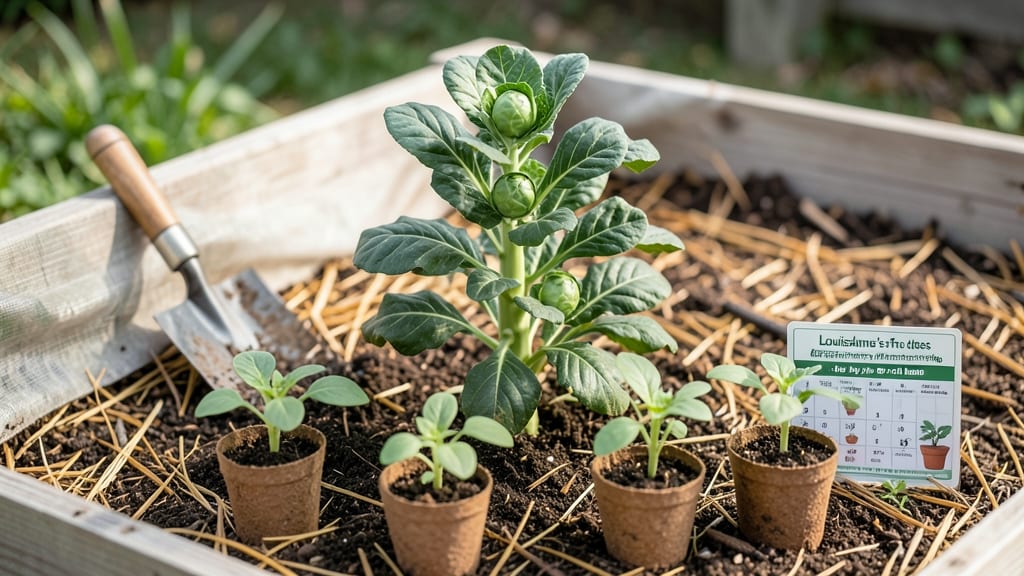
Planting Brussel sprouts 🥦 in Louisiana might seem tricky with its sweltering summers and damp winters, but timing is the key to thriving harvests. The secret lies in avoiding extreme heat while capitalizing on the mild fall weather that transforms your garden into a sprouts powerhouse.
If you've ever wondered why your plants bolt in summer or struggle through humidity, you're not alone. Louisiana's 8a-9b climate demands a strategic approach—starting seeds indoors in late July or transplanting young plants in August gives them the perfect head start. This window ensures they mature before winter chills arrive.
What makes this timing work so well? The cooler fall temperatures slow down growth just enough to prevent bolting, while still allowing 90 days of robust development. Plus, those crisp winter mornings actually sweeten the flavor—nature's bonus for gardeners who plan ahead.
Ready to unlock the full potential of your Louisiana garden? I'll walk you through the exact planting schedule, soil prep secrets, and companion plants that protect your sprouts from humidity. Let's turn those summer struggles into a year-round harvest success story.
Best planting windows for brussel sprouts in Louisiana’s climate zones
Louisiana’s USDA zones 8a-9b create unique challenges for growing brussel sprouts—the heat and humidity can stress these cool-weather crops if planted at the wrong time.
But by aligning your planting schedule with Louisiana’s first frost dates (mid-November) and heat tolerance limits (below 85°F), you can achieve a thriving harvest. The key is timing: late summer to early fall offers the perfect balance of cooling temperatures and long daylight hours.
Brussel sprouts thrive in 60-75°F conditions, making Louisiana’s August-September window ideal for transplanting young plants. This timing allows them to mature before winter frosts sweeten the sprouts and extends your harvest into December and January.
For gardeners in zone 9b, even a July transplant can work if you provide afternoon shade and consistent moisture.
Direct sowing in Louisiana is trickier due to the heat. If you prefer starting from seed, aim for late July—just as summer’s peak intensity begins to wane. Seedlings take 80-120 days to mature, so this timing ensures they’ll be ready for harvest before December’s first frost.
Just be prepared to thin seedlings aggressively to avoid overcrowding in the humid climate.
| Planting Method | Ideal Months | Temperature Range | Days to Harvest | Harvest Window |
|---|---|---|---|---|
| Transplanting Young Plants | August-September | 60-75°F | 90-120 days | November-January |
| Direct Sowing (Zone 8a) | Late July | 70-80°F (with shade) | 100-120 days | December-February |
| Spring Planting (Risky) | February-March | 55-65°F | 80-90 days | May-June (small yield) |
| Fall Succession Planting | September-October | 50-65°F | 60-80 days | November-December |
For a year-round supply of brussel sprouts, Louisiana gardeners can employ succession planting in September and October. These later plantings will mature just in time for holiday harvests and take advantage of cooler temperatures.
Just be sure to space plants 18-24 inches apart to prevent fungal diseases common in Louisiana’s damp air.
If you’re in zone 9b, consider a winter harvest by planting in late August. These sprouts will develop slowly through fall but reward you with sweeter, frost-enhanced flavor by December. Just remember: brussel sprouts hate heat above 85°F, so avoid planting during summer’s peak.
One pro tip for Louisiana growers: use black plastic mulch to warm the soil in early plantings or straw mulch to retain moisture during dry spells. This simple trick can mean the difference between thriving plants and struggling seedlings in our unpredictable climate.
Don’t forget to harden off transplants for 7-10 days before setting them in the ground. Louisiana’s humidity can shock tender seedlings, so gradual acclimation to outdoor conditions is non-negotiable for success.
Finally, monitor your local frost dates—they can vary slightly by parish. Planting 8-10 weeks before the first frost ensures your brussel sprouts reach maturity before cold snaps. In most of Louisiana, this means mid-October plantings will be ready by Christmas!
With these precision-timed plantings, you’ll enjoy homegrown brussel sprouts that outshine store-bought—crisp, flavorful, and perfectly adapted to Louisiana’s unique growing conditions. 🥦
How to extend the growing season for humidity-resistant brussel sprouts
Louisiana’s stifling humidity and intense summer heat can turn your brussel sprouts into sad, wilted relics—but with the right tricks, you can stretch your growing season from spring to winter. The key is creating microclimates that shield your plants from the worst conditions while keeping them happy and productive.
Start by choosing shade-tolerant varieties like 'Long Island Improved' or 'Jade Cross'—these handle partial shade better than others. Pair them with 30-50% shade cloth during peak afternoon heat (12 PM to 4 PM) to drop temperatures by 10-15°F. This simple hack can mean the difference between bolting and thriving.
Your next move? Raise your beds. Elevated planters with 6-12 inches of depth improve drainage and keep roots cooler. Fill them with a mix of compost, coconut coir, and perlite to mimic the moisture-retentive, well-aerated soil brussel sprouts crave—without the suffocating humidity of Louisiana’s native clay.
🌱 Proven Season-Extending Strategies
- 🌿 Mulch like a pro: Apply 4-6 inches of straw or wood chips to lock in moisture and block soil-borne fungi. Replenish every 4-6 weeks as it breaks down.
- 💧 Drip irrigation only: Water at the soil level (not overhead) to avoid fungal spores splashing onto leaves. Run systems early morning (5-7 AM) for maximum absorption.
- 🌳 Companion plant smart: Surround brussel sprouts with bush beans, lettuce, or onions to improve air circulation and deter pests. Avoid planting near tomatoes or cabbage—they compete for nutrients.
- 🌡️ Use row covers: Lightweight frost blankets (30-40g weight) can protect young plants from unexpected cold snaps in late fall or early spring. Secure edges with bricks or soil to prevent wind damage.
- ✂️ Prune for resilience: Pinch off flower buds as they form to redirect energy to sprouts. Trim yellowing lower leaves to improve airflow and reduce humidity stress.
For a winter harvest, sow seeds in late August and use black plastic mulch to absorb heat during the day and radiate it back at night. This creates a 5-10°F warmer microclimate—just enough to keep brussel sprouts growing when other gardens are frozen solid.
Don’t forget to harvest strategically: Pick the lowest mature sprouts first to encourage upward growth. Leave 4-6 inches of stem above the last sprout to keep the plant producing. With these tricks, you’ll enjoy homegrown brussel sprouts from October through January—long after your neighbors’ gardens have gone dormant.
Even in Louisiana’s oppressive climate, brussel sprouts can thrive if you plan ahead and adapt. Start small with one raised bed, and soon you’ll be the envy of your neighborhood with a year-round harvest of crisp, sweet sprouts. 🥦