
Plants
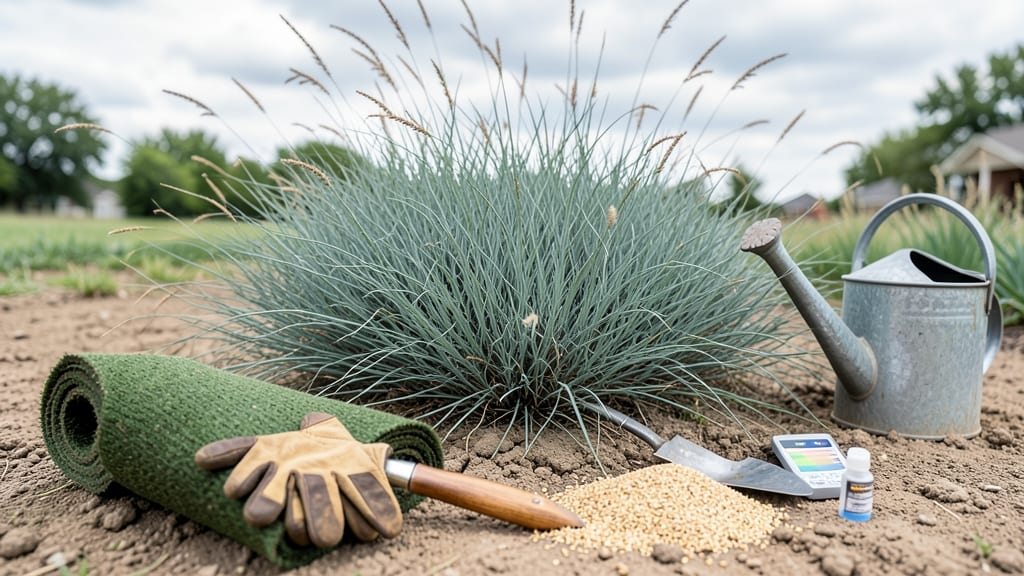
Timing your buffalo grass 🌱 planting in Kansas can mean the difference between a thriving drought-resistant lawn and months of frustration. Get it wrong, and you’ll battle frost-killed seedlings or summer heat stress—both common pitfalls for Kansas gardeners.
I’ve seen firsthand how late spring to early summer (April–June) is the sweet spot for planting, but the real secret lies in soil temperatures and your specific USDA zone.
Whether you’re in Zone 5b or Zone 7a, knowing when the ground warms to 60–65°F and avoiding early frost risks is everything.
In this guide, I’ll break down the exact frost-free deadlines for your area, soil prep tips for Kansas’ clay-heavy soils, and how to outsmart summer droughts. No more guessing—just a lush, low-maintenance lawn that survives Kansas’ extremes.
Ready to plant with confidence? Let’s dive into the zone-specific timeline that’ll have your buffalo grass thriving by summer.
Kansas soil temperature & frost-free deadlines for planting buffalo grass by Zone
Timing your buffalo grass planting in Kansas hinges on two critical factors: soil temperature and frost-free dates. Unlike cool-season grasses, buffalo grass thrives when soil warms to 60-65°F, signaling it’s safe to plant.
Kansas spans USDA zones 5b-7a, so your exact window varies—Zone 5b gardeners wait until mid-April, while Zone 7a can start as early as late March. Planting too soon risks frost damage, but delaying past June stresses seedlings during summer’s 100°F+ heatwaves.
Most Kansas regions experience their last frost between April 1-15, but microclimates—like urban heat islands or sheltered valleys—can shift this by 1-2 weeks. Check your local Kansas State University Extension frost maps for precision.
For example, Wichita (Zone 7a) typically hits 60°F soil temps by early April, while Hays (Zone 6a) lags until mid-April. Rural areas often warm faster than cities due to less pavement retaining heat.
The ideal planting window for buffalo grass in Kansas stretches from late April to early June, aligning with 60-65°F soil temps and consistent daytime highs above 70°F. This timing ensures seedlings establish roots before summer’s drought stress kicks in.
Early June plantings still work if you’re in Zone 7a, but prioritize deep watering to combat heat.
Use a soil thermometer ($10 at garden centers) to verify temps—surface temps can mislead. Bury it 2 inches deep in your planting bed for accurate readings.
If daytime highs hit 85°F+ before soil reaches 60°F, delay planting until nighttime lows stabilize above 50°F. This prevents heat shock in seedlings.
Kansas’ frost-free season averages 160 days, but urban areas like Kansas City stretch this to 170 days thanks to the urban heat island effect. Rural western Kansas (e.g., Garden City) may see only 150 frost-free days, cutting your planting window shorter. Plan accordingly—overseeding in early fall (September) is an option for extending coverage.
🌱Pro Tip: Mark your calendar for May 15 as a cutoff—plantings after this date risk summer stress unless you’re in Zone 7a with irrigation. For best results, aim to plant by June 1 in all zones.
🌡️ Kansas Buffalo Grass Planting Deadlines by Zone
| Zone | Last Frost | Soil Temp (60-65°F) | Ideal Planting Window | First Frost Risk |
|---|---|---|---|---|
| 5b (e.g., Hays) | Mid-April | Mid-April | April 15–May 15 | October 15 |
| 6a (e.g., Salina) | Early April | Late April | April 20–May 30 | October 10 |
| 7a (e.g., Wichita) | Late March | Early April | March 30–June 1 | November 1 |
| Urban Heat Islands (e.g., Kansas City) | Early April | Late March | March 20–June 10 | October 20 |
⚠️ Note: Adjust for microclimates—urban areas plant 2 weeks earlier than rural zones.
If you’re in western Kansas (e.g., Garden City), prioritize early spring plantings—drought conditions there demand faster root establishment. Use drip irrigation to maintain 1 inch of water weekly until seedlings are 3 inches tall.
In contrast, eastern Kansas (e.g., Topeka) can afford slightly later plantings due to higher humidity and better soil moisture retention.
For overseeding in fall, target early September when soil temps drop to 70-75°F. This gives seedlings time to root before first frost. Use a seed
Step-by-step planting timeline: seed vs. sod for Kansas climates
Buffalo grass thrives in Kansas when planted at the right time—whether you’re working with seed or sod, the timing and prep work differ drastically. I’ve planted both methods across Zone 5b to 7a, and the key is aligning your schedule with soil warmth and moisture availability.
For seed, aim for late April to early May when soil temperatures consistently hit 60–65°F. This gives seedlings time to establish before summer heat arrives.
Sod, on the other hand, needs to be laid late April through early June—earlier planting risks frost damage, while late June planting may stress the grass in Kansas’ intense summer heat.
Here’s my battle-tested timeline to ensure your buffalo grass takes root without struggle:
Test soil pH (aim for 6.0–7.5) and loosen compacted areas. Kansas’ clay soil benefits from compost or sand to improve drainage.
Scatter seeds at 1/4 lb per 100 sqft, cover lightly with 1/4 inch soil, and water gently to avoid washing seeds away.
Keep soil moist but not soggy—buffalo grass seed needs consistent moisture to germinate. Use a sprinkler on low setting.
Once grass reaches 6–8 inches, mow to 3–4 inches to encourage denser growth. Avoid mowing too short—buffalo grass needs height to thrive.
Roll sod tightly to eliminate gaps, water immediately after laying, and keep soil moist for 2–3 weeks to encourage root growth.
Once established, buffalo grass needs 1–1.5 inches of water weekly. Deep watering in the morning reduces evaporation and fungal risks.
Kansas’ unpredictable spring rains can complicate planting, so I recommend using a soil thermometer to confirm warmth before seeding. If rains delay your schedule, don’t rush—waiting for the right conditions saves you months of frustration later.
Pro tip: If you’re in western Kansas (Zone 5b), plant 2 weeks earlier than eastern regions (Zone 7a) to account for cooler soils. Adjust your timeline based on local frost data from the Kansas State University Extension.