
Plants
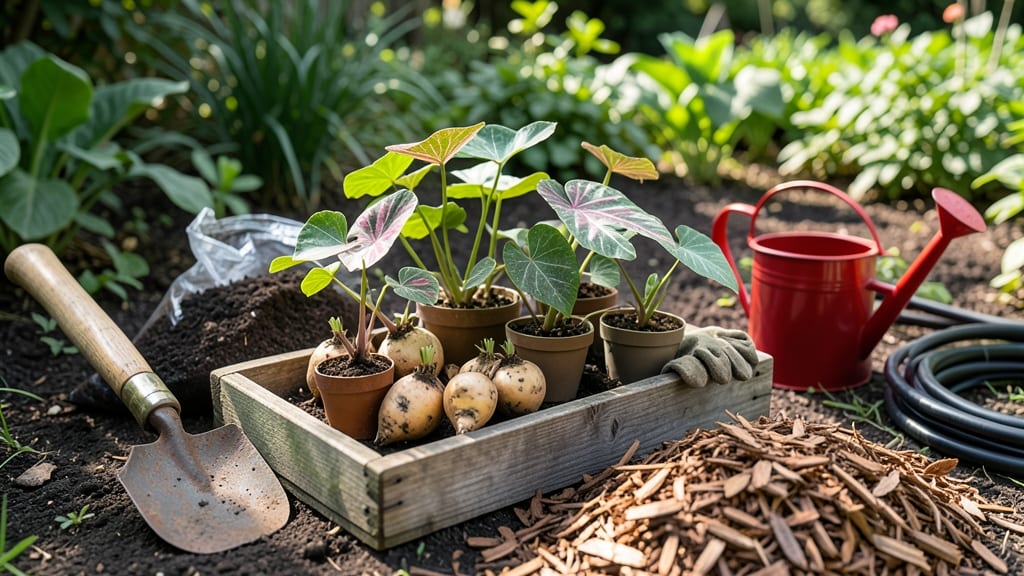
Planting caladiums in Texas isn't just about the calendar—it's about catching that perfect frost-free window when your soil warms up and your 🌿 thrives. Too early, and a late freeze could turn your vibrant foliage into a sad, wilted mess.
Too late, and you'll miss the full summer display these tropical beauties are famous for.
Texas gardeners face a unique challenge because our state spans multiple hardiness zones, from 8a in the Panhandle to 11 in the Rio Grande Valley. What works for South Texas might fry your caladiums in North Texas.
That's why knowing your exact last-frost date—and when your soil finally warms to 65°F—is the key to success.
Whether you're planting in-ground beds or containers, timing matters just as much as technique. I'll walk you through the ideal March-April window that works for most of Texas, plus how to adjust for your specific zone. Let's get those colorful tubers in the ground when they're ready to shine.
Ready to transform your garden into a living work of art? The secret starts with planting at the right moment—when your caladiums can finally stretch out their leaves without fear of frost. Let's make sure you get it right the first time.
Texas caladium planting timeline by hardiness Zone: exact frost-free windows
Caladiums thrive in Texas' heat but demand precise timing to avoid frost damage or missed peak color. Since Texas spans USDA Zones 7-11, your planting window varies dramatically—from mid-February in South Texas to mid-April in North Texas.
The key? Wait until the soil stays above 65°F for 24 hours.
In Zone 11, you can plant as early as late January when nights stay warm. But in Zone 7, wait until after April 15th to avoid late frosts. Container gardeners have a slight edge—they can warm soil faster with black plastic mulch or bottom heat.
Here’s your zone-by-zone planting calendar, including soil prep tips and microclimate adjustments:
Pro tip: Use a soil thermometer to confirm warmth—caladium tubers rot in cold soil. In Zone 8–9, I’ve seen gardeners plant 2 weeks early by covering beds with clear plastic tunnels, but only if nights stay above 50°F.
For container planting, the rules relax slightly. Pots warm faster, so you can plant 1–2 weeks earlier than in-ground. Just ensure containers have drainage holes—caladiums hate soggy roots. In Zone 7, I’ve had success planting in mid-April by placing containers on brick feet to prevent heat stress.
Remember: Caladiums are tropical—they won’t tolerate frost. Even a 32°F night can kill emerging shoots. Check your local National Weather Service for 10-day forecasts before planting. In East Texas, humidity spikes in May can cause fungal issues, so space plants 12 inches apart for airflow.
If you’re in West Texas (Zone 8b)**, where soil heats up faster, you can plant as early as March 1st. But monitor for windburnwindbreak fence or mulch ring helps retain moisture.
Finally, don’t rush. Waiting until late April in North Texas ensures your caladiums hit the ground running when summer heat arrives. Patience pays off with bold foliage that lasts until first frost—usually November in North TX or December in South TX.
5 Critical signs your Texas soil is ready for caladiums (beyond just dates)
Don't rely solely on the calendar when planting caladiums in Texas. Your soil needs to hit specific conditions before these tropical plants thrive. The ideal temperature is 65°F or warmer, but you'll also want to check for moisture balance and proper drainage.
I've seen gardeners rush planting only to watch their caladiums struggle in cool, compacted soil.
First, perform the finger test for soil warmth. Stick your finger about 2 inches deep—if it feels warm to the touch (like a cozy bath), your soil is ready.
This simple trick saves you from guessing games. Caladiums hate cold soil, which can stunt growth or even kill tubers before they sprout.
Soil Temperature
Use a soil thermometer to confirm 65°F+ at 2-inch depth. Caladiums won't thrive below this threshold.
Moisture Balance
Soil should be moist but not soggy. Squeeze a handful—water should drip slowly, not pool.
Drainage Test
Fill a container with soil and water. If water drains in 10 minutes, your soil has good drainage.
pH Level
Test for 6.0-7.0 pH. Texas clay often runs alkaline—amend with sulfur if needed.
Pest-Free Zone
Check for slugs or grubs. These pests love caladium tubers—treat with diatomaceous earth if needed.
Texas clay soil can be particularly challenging for caladiums. If your soil compacts easily, mix in 2-3 inches of compost or sand to improve drainage. I've had great success using a 50/50 blend of native soil and coconut coir for container plantings—it mimics their tropical habitat while preventing root rot.
One pro tip: If you're in North Texas (Zone 8a), wait until mid-April even if your calendar says "spring." A late frost in March can still sneak up.
For South Texas (Zone 10a), you can plant as early as late February, but protect young plants from intense afternoon sun with shade cloth.
Remember, caladiums are tropical plants that need warmth to thrive. Don't be fooled by warm daytime temperatures—check your soil temperature at sunset when it's coolest. This is when your plants will truly feel at home in the Texas climate.