
Plants
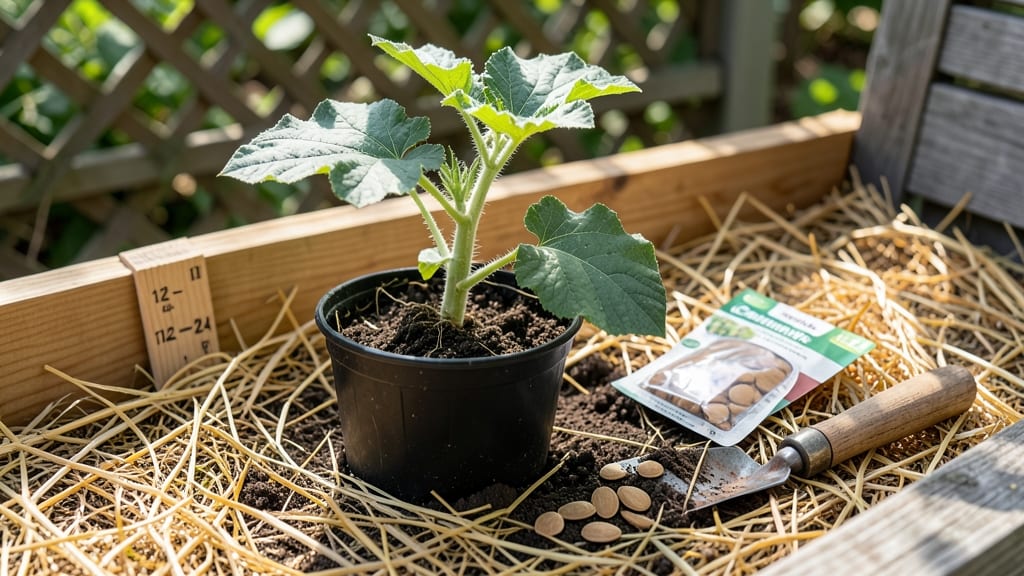
Planting cantaloupe seeds in Texas can make or break your harvest—get the timing wrong, and you're left with wilted vines or bitter melons instead of sweet rewards.
Texas gardeners know the stakes: too early, and frost zaps your seedlings; too late, and scorching heat arrives before your cantaloupe 🌱 even thinks about fruiting. The key isn't just checking calendars—it's understanding your specific heat zone and soil conditions.
I'll break down exactly when to plant in North, Central, and South Texas so you can avoid common pitfalls and maximize your yield.
Most guides focus on frost dates, but cantaloupe seeds need warm soil—at least 70°F—to germinate properly. That means waiting for the right conditions, not just the last frost.
I'll show you how to use soil thermometers and regional deadlines to plant at the perfect moment, whether you're in the cooler Panhandle or the sweltering Rio Grande Valley.
Ready to grow juicy, ripe cantaloupes instead of struggling with failed plants? Let's dive into the exact planting windows, soil prep secrets, and heat-zone strategies that actually work for Texas gardens.
Texas heat-zone deadlines: exact weeks to plant cantaloupe seeds by region
Texas spans three distinct heat zones, each with unique last-frost dates and soil-warming timelines for cantaloupe seeds.
In North Texas (Zone 7b-8a), like Dallas or Fort Worth, the last frost typically arrives between March 15–April 1, but seeds won’t germinate reliably until soil reaches 70°F—usually mid-April to early May.
Meanwhile, Central Texas (Zone 8a-8b), including Austin and San Antonio, sees last frosts by February 15–March 1, allowing earlier planting in late March once soil warms. South Texas (Zone 9a-9b), from Corpus Christi to Brownsville, enjoys frost-free winters, so gardeners can start seeds as early as January–February.
Timing isn’t just about frost—it’s about heat tolerance. Cantaloupe seeds won’t sprout below 60°F, but they struggle to germinate above 95°F. In North Texas, planting too early risks frost damage, while planting too late (after June 1) means melons bolt before ripening.
Central and South Texas gardeners have a slightly longer window but must still avoid peak summer heat (July–August), which stresses young plants. The key? Align planting with soil temperature, not just calendar dates.
Here’s the golden window for each region, based on historical averages and soil thermometer data from Texas A&M AgriLife Extension:
| Region | USDA Zone | Last Frost Date | Optimal Planting Window | Soil Temp for Germination | Avoid Planting After |
|---|---|---|---|---|---|
| North Texas | 7b–8a | March 15–April 1 | Mid-April to early May | 70°F+ | June 1 |
| Central Texas | 8a–8b | February 15–March 1 | Late March to early April | 70°F+ | May 15 |
| South Texas | 9a–9b | None (frost-free) | January–February | 70°F+ | June 15 |
🌱 Pro Tip: Use a soil thermometer to confirm readiness—cantaloupe seeds won’t sprout in cold soil, even if air temps are warm.
For North Texas gardeners, the April 15–May 15 window is ideal because it balances soil warmth and avoids early summer heatwaves.
In Central Texas, aim for March 20–April 10 to ensure vines mature before June’s scorching temps. South Texas offers the most flexibility, but planting in January–February lets melons ripen before July’s extreme heat stunts growth.
Regional microclimates also play a role. For example, elevated areas like the Hill Country stay cooler longer, while low-lying valleys (e.g., Rio Grande Plains) warm faster. Use local weather stations or Texas A&M’s Frost/Freeze Forecast to fine-tune your timeline.
Even a 5°F difference in soil temp can mean the difference between germination success and wasted seed packets.
Another critical factor? Day length. Cantaloupe plants thrive with 12+ hours of daylight, which arrives in late April–early May across Texas.
Planting too early (e.g., March in North Texas) can result in stunted vines due to shorter days. Wait until late April for optimal growth and fruit set.
In South Texas, where days are longer year-round, January planting works—but shade cloth may be needed in peak summer to protect young plants.
Don’t overlook <
Soil temperature & cantaloupe germination: how to test and optimize for Texas conditions
Cantaloupe seeds won’t germinate until your Texas soil hits at least 70°F—that’s non-negotiable. Cold soil slows growth, leaving seedlings weak and vulnerable to disease. I’ve learned the hard way that rushing planting because "it’s spring" leads to patchy germination or no sprouts at all.
The key is patience and preparation, especially in North Texas where spring soil warms slower than Central or South Texas.
Start by testing soil temperature with a soil thermometer (available for under $10). Stick it 2 inches deep—where seeds will sit—and check readings daily. Below 60°F? Your seeds will rot. Between 60-69°F?
They’ll germinate slowly. Only when you hit 70°F+ consistently should you plant. In my Central Texas garden, this usually happens by mid-April, but in the Panhandle, you might wait until May.
- Test Soil Temp
- Wait for 70°F+
- Pre-Warm Soil
- Plant 1-2" Deep
- Mulch with Straw
If your soil is still chilly, pre-warm it using black plastic mulch or clear plastic tunnels. Lay the plastic down 1-2 weeks before planting to trap heat. I’ve seen soil temperatures rise 10-15°F faster with this trick!
For organic gardeners, spread straw mulch (not hay—it contains weed seeds) to insulate the soil while keeping moisture in. This works especially well in North Texas, where late frosts are common.
Plant seeds 1-2 inches deep in hills spaced 3-4 feet apart. Crowding leads to poor air circulation and disease. After planting, water gently to settle the soil, then keep it consistently moist (not soggy).
Germination typically takes 7-14 days at optimal temperatures. If you’re starting seeds indoors, use heat mats to maintain bottom warmth until transplanting.
Watch for yellowing leaves or stunted growth—these are red flags your soil’s too cold or too wet. In my South Texas garden, I’ve had seeds germinate in just 5 days when soil hit 75°F, but in cooler years, I’ve waited 3 weeks.
The lesson? Don’t guess—measure! A soil thermometer is your best friend for Texas cantaloupe success.
Once seedlings emerge, thin to the strongest 2-3 plants per hill. Weak seedlings compete for nutrients and light, leading to smaller, less flavorful fruit. Harden off transplants by gradually exposing them to outdoor conditions over 5-7 days before moving them to the garden.
And remember: shade cloth is your ally during Texas’ brutal summer afternoons—use it to protect young plants until they’re established.