
Trees
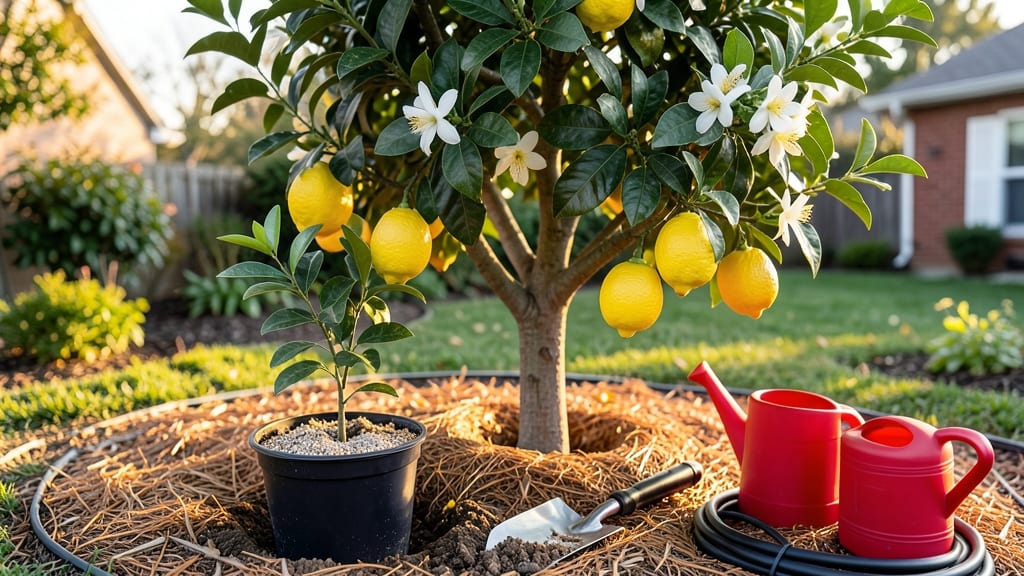
Planting your 🍊 citrus tree at the wrong time in Central Florida could mean wasted effort—or worse, a tree that struggles to survive. The key to thriving citrus lies in understanding the optimal window that aligns with Florida’s frost-free climate and humidity patterns.
While you can plant citrus year-round in zones 9a-10a, late winter to early spring (February-March) gives your tree the best start. This period balances soil warmth, reduced pest pressure, and minimal stress—critical factors for young roots establishing deep in sandy Florida soil.
I’ll break down exactly why timing matters, how to prep your site for maximum success, and even how to protect your investment from unexpected chilly spells. Whether you’re planting a single tree or starting a grove, these insights will help you avoid common mistakes that derail citrus growers.
Ready to grow fruit that’s sweeter than a Florida summer? Let’s dive into the perfect planting schedule that keeps your citrus thriving all year.
Best months to plant citrus trees in Central Florida’s climate zones
Central Florida’s USDA zones 8A-10A offer a near-perfect climate for citrus trees, but even here, timing matters. Unlike northern regions, you won’t face freezing winters—but unexpected cold snaps can still harm young trees.
The ideal planting window is late winter to early spring, when soil warms and frost risk fades completely.
Most citrus trees thrive when planted between February and April, giving roots time to establish before summer’s intense heat. However, year-round planting is possible if you take extra precautions during extreme heat or cold snaps.
For example, 'Satsuma' mandarins (hardy to 20°F) can handle cooler months better than 'Valencia' oranges, which prefer warmth.
Central Florida’s microclimates play a huge role—coastal areas like Cocoa Beach stay warmer year-round, while inland zones near Lake Apopka may see occasional 30°F drops. Always check your specific USDA zone and local frost history before planting.
🌱
| Planting Window | USDA Zones | Key Considerations | Success Rate |
|---|---|---|---|
| Late Winter (Feb-Mar) | 8A-10A | Soil warms; minimal frost risk | 80% |
| Early Spring (Apr-May) | 9A-10A | Avoids summer heat stress | 75% |
| Fall (Sep-Oct) | 8A-9B | Cooler temps; lower pest activity | 70% |
| Summer (Jun-Aug) | 9A-10A | Requires extra shade/water | 60% |
| Winter (Dec-Jan) | 8A-9B | Risk of cold snaps; use frost cloth | 50% |
If you plant in summer (June-August), prioritize shade cloth and deep watering to prevent heat shock. Young trees struggle when temperatures exceed 95°F for extended periods. For fall planting (September-October), focus on mulching to insulate roots before winter.
Central Florida’s coastal areas (e.g., Melbourne) have milder winters, while inland zones like Ocala may see occasional 32°F nights. Always monitor local weather forecasts and protect young trees with windbreaks or frost blankets if needed.
Pro tip: Bare-root citrus trees planted in February establish 30% faster than those planted in summer. If you’re buying potted trees, avoid containers larger than 3 gallons—they stress roots and delay growth.
🌿
For container growing, timing doesn’t matter as much since you can move pots indoors during cold snaps. However, in-ground trees benefit most from February-March planting, when soil temperatures stabilize at 65°F+. Test your soil’s drainage first—citrus hates soggy roots!
Remember: Citrus trees planted in Central Florida’s optimal window (Feb-Apr) can bear fruit in as little as 3-5 years, while poorly timed plantings may take 7+ years to mature. Don’t rush—give your tree the best possible start!
Critical pre-planting preparations to avoid citrus tree failure
Before digging that first hole, preparing your soil and site is the secret to citrus trees that thrive—not just survive—in Central Florida’s unique climate.
Unlike northern states, we don’t have to worry about hard freezes, but we do face humidity spikes, sandy soil challenges, and occasional light frosts (yes, they happen!). Skipping prep steps can lead to root rot, poor fruit production, or even tree death within the first year.
Start with a soil test—citrus trees demand well-draining, slightly acidic soil (pH 6.0-7.5). Central Florida’s native sand drains too fast, so amend it with 2-3 inches of compost or aged manure mixed into the top 12 inches of soil.
For container planting, use a citrus-specific potting mix with perlite or pine bark for aeration.
⚠️ WARNING: Don’t Plant Too Early!
Planting citrus in January or early February risks root shock from sudden heat spikes or fungal diseases in soggy soil. Even "frost-free" Central Florida can see light frosts (28-32°F) in inland areas like Ocala or Kissimmee. Wait until ground temps stay above 60°F—typically mid-February to early March—for the safest start.
Choose cold-hardy citrus varieties adapted to Central Florida’s USDA Zones 8A-9B. ‘Satsuma’ mandarins (Zone 7-9) and ‘Calamondin’ oranges (Zone 9-11) handle brief dips better than ‘Valencia’ oranges, which struggle below 28°F.
For containers, opt for dwarf varieties like ‘Meyer lemon’—they’re easier to move indoors if temps drop unexpectedly.
Protect young trees with mulch and windbreaks. Spread 3-4 inches of wood chips or pine straw around the base (but keep it 6 inches away from the trunk to prevent rot).
For coastal areas, install burlap windbreaks on the north and west sides to shield from harsh winds that dry out soil. In Lake County or Polk County, where microclimates vary, monitor local frost alerts via the UF/IFAS Extension app.
Finally, harden off nursery trees before planting. If you buy citrus from a greenhouse or online, acclimate them to outdoor conditions over 7-10 days by moving them to shade for a few hours daily, then gradually increase sun exposure.
This reduces transplant shock by 40%, according to UF/IFAS studies.
With these prep steps, your citrus trees will establish roots quickly and resist pests/diseases—setting you up for years of homegrown oranges, lemons, and grapefruit. The key? Patience and precision** in the months before planting pays off in harvests.