
Plants
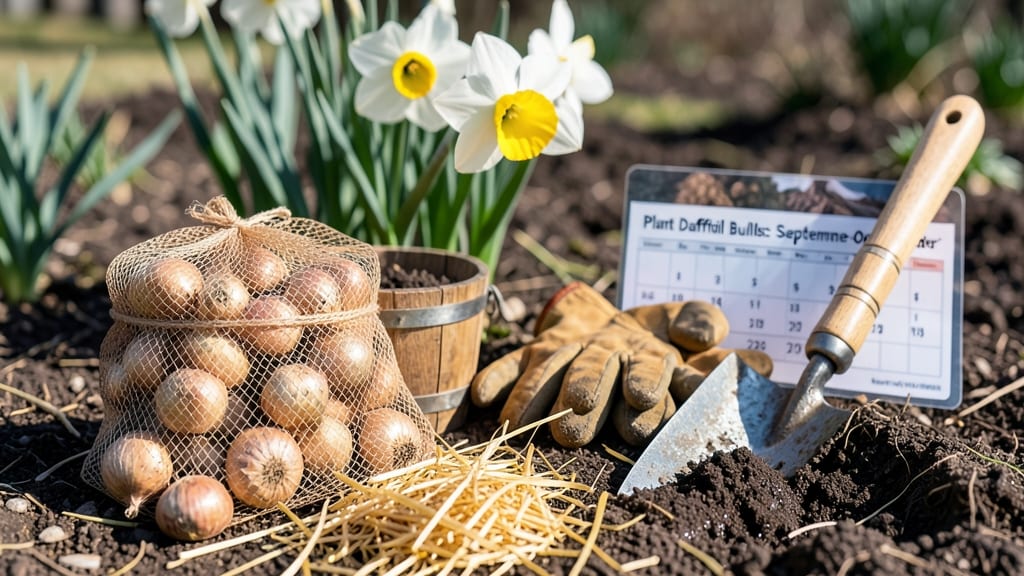
Timing your daffodil planting in Colorado isn't just about the calendar—it's about matching your bulbs with the chill hours your zone 5-7 climate demands. Plant too early, and you risk rot; too late, and you'll miss next spring's cheerful blooms.
The key lies in understanding how Colorado's unique frost patterns and elevation shifts create the perfect window.
Most gardeners in Colorado wait until September through November to plant daffodils, but the exact timing depends on where you live—whether you're in Denver's urban sprawl or the high-altitude gardens of the Rockies.
The goal is to get those bulbs in the ground 4-6 weeks before the first hard frost, giving them time to establish roots before winter sets in.
What makes Colorado daffodils thrive? It's not just about the dates—it's about soil temperature and drainage. The bulbs need cool but not frozen soil to root properly, and well-draining soil to prevent winter rot.
I'll walk you through how to prepare your garden beds and adjust for your specific elevation zone.
Ready to ensure your daffodils bloom reliably year after year? Let's break down the exact steps, from soil prep to frost timing, so you can plant with confidence—and enjoy those bright 🌼 faces next spring.
Best planting months for Colorado daffodils by elevation Zone
Colorado’s diverse elevations—from Denver’s 5,280 feet to mountain towns like Telluride at 8,750 feet—create wildly different planting windows for daffodils. While most gardeners aim for September through November, your exact timing depends on elevation, soil temperature, and first-frost dates.
High-altitude areas need earlier planting, while lower elevations can wait until late fall.
Daffodil bulbs thrive when planted 4-6 weeks before ground freezes—this gives roots time to establish before winter dormancy. In Colorado’s Zone 5-7, that typically means mid-September to early November, but mountain gardeners should start as early as late August to avoid frost damage.
Always check your local last-frost date (use the Colorado State University Extension frost calculator).
Soil temperature is your best guide: bulbs should go into 50-60°F soil. Use a soil thermometer to monitor—if temps drop below 40°F, cover bulbs with straw mulch (3-4 inches thick) to protect them until spring.
Pro tip: Plant in well-draining soil to prevent rot—Colorado’s clay-heavy soils often need amendment with compost or sand.
| Elevation Zone | Ideal Planting Window | Soil Temp Threshold | Frost Risk | Pro Tip |
|---|---|---|---|---|
| Zone 5 (5,000-6,000 ft) | Late September - Mid November | 50-60°F | Moderate (first frost: Oct 15-Nov 1) | Add bone meal for root boost |
| Zone 6 (6,000-7,500 ft) | Mid September - Late October | 50-60°F | High (first frost: Oct 1-Oct 15) | Plant deeper (8") in rocky soil |
| Zone 7 (7,500+ ft) | August 20-Sept 30 | 45-55°F | Very High (first frost: Sept 15-Oct 1) | Use straw mulch after planting |
High-altitude gardeners in Zone 7 (like Estes Park or Breckenridge) face the biggest challenge: shorter growing seasons. Plant bulbs by late August to ensure roots establish before the first hard frost.
In these areas, daffodils often bloom 2-3 weeks earlier than their lowland cousins—so choose early-blooming varieties like 'Ice Follies' or 'Tête-à-Tête' for reliable spring color.
If you miss the fall window, don’t panic! Daffodils can be planted in early spring (March-April), but they’ll bloom a year later. This method works best for replacing dead bulbs or filling gaps in established beds.
Just plant shallower (4-6") and keep soil moist until roots establish. For container gardening, plant in well-draining pots and move them to a garage or cold frame if winter temps drop below 20°F.
Colorado’s dry climate means daffodils need consistent moisture after planting. Water deeply once a week until the ground freezes, then reduce to monthly in winter (unless we get a drought year). Mulch with 3-4 inches of straw to retain moisture and insulate bulbs.
Pro move: Plant daffodils near rocks or pavers to improve drainage in heavy clay soils—this prevents the #1 killer of bulbs: rot.
For cut-flower production, plant bulbs in late September for larger blooms. Choose taller varieties like 'Thunderbolt' or 'Carlton', which thrive in Colorado’s full sun. Harvest stems when 2/3 of buds open—this extends vase life by 3-5 days.
Store extra bulbs in a cool, dark place (like a garage) until planting season.
Timing isn’t just about months—it’s about microclimates. A south-facing slope in Denver may stay frost-free until November 10, while a north-facing yard in Boulder could freeze by October 20. Observe your garden’s patterns for 3 years to pinpoint the perfect window.
And remember: Daffodils multiply! Each bulb can produce 3-5 offsets per year, so a little patience now means more blooms for decades.
🌼
Best planting months for Colorado daffodils by elevation Zone
Colorado's diverse elevations create unique planting windows for daffodils. Whether you're gardening in Denver (Zone 5) or the Rocky Mountains (Zone 7), timing matters. The ideal window is 4-6 weeks before the first hard frost, but exact dates shift with altitude.
At lower elevations (Zone 5), aim for mid-September to early October when soil temps drop to 50°F (10°C). Higher elevations (Zone 6-7) can plant later, up to mid-October, since frost arrives later. The key is cool but unfrozen soil—daffodil bulbs need time to root before winter.
Here's how Colorado's elevation zones break down for planting:
| Elevation Zone | USDA Zone | Best Planting Window | Soil Temp Threshold | Frost Risk |
|---|---|---|---|---|
| Denver Metro Area | Zone 5 | Mid-September - Early October | 50-55°F (10-13°C) | High (first frost: late Oct) |
| Front Range Foothills | Zone 5-6 | Late September - Mid-October | 45-50°F (7-10°C) | Moderate (first frost: early Nov) |
| Colorado Springs | Zone 6 | Late September - Early November | 40-45°F (4-7°C) | Low (first frost: mid-Nov) |
| Rocky Mountain High Country | Zone 7 | October - Mid-November | 35-40°F (2-4°C) | Very Low (first frost: late Nov) |
For high-altitude gardens above 8,000 feet, extend your window into November—just ensure bulbs are planted before the ground freezes solid. Use a soil thermometer to verify temps are above 35°F (2°C) for safe planting.
Pro tip: If you're unsure about frost dates, check the Colorado Climate Center's frost maps or use the National Weather Service's local forecasts. Planting too late risks bulbs freezing before root establishment, while early planting can lead to rot in soggy soil.
Remember, daffodils thrive when planted in well-draining soil—this is especially critical in Colorado's clay-heavy soils. Amend your beds with compost or sand if needed, and always plant bulbs 6 inches deep for optimal growth.