
Plants
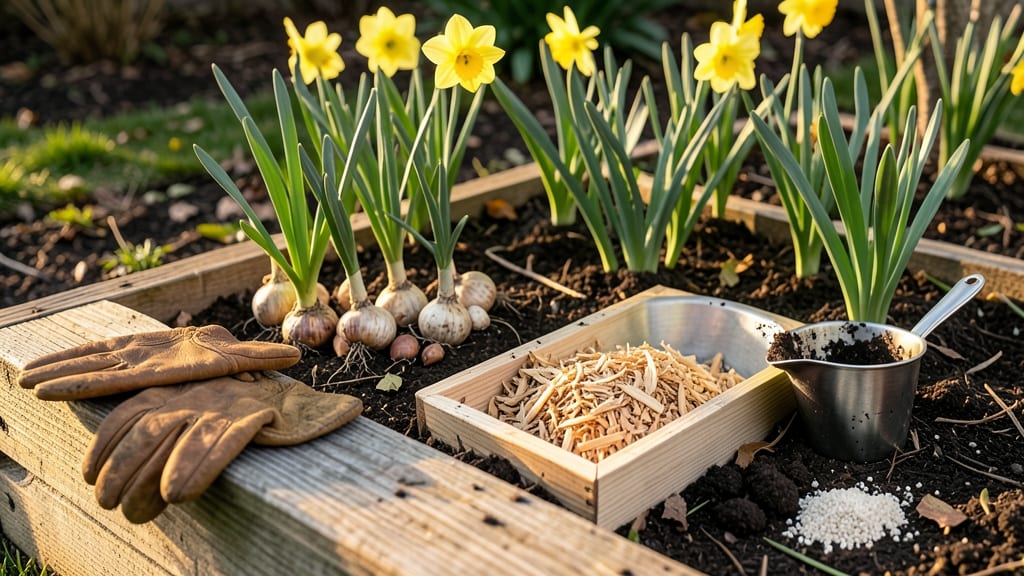
Planting daffodils in Minnesota at the right time is the secret to those cheerful 🌼 blooms that burst through snow every spring. If you get the timing wrong, you might end up with weak growth or no flowers at all—especially in our 4a-5b zones where frost can sneak up fast.
Most gardeners assume spring is the only chance to plant, but fall is actually the golden window for daffodils. The key is planting 6-8 weeks before the ground freezes, giving bulbs time to root before winter sets in.
That means aiming for September or early October, when soil temps drop but frost hasn’t arrived yet.
Why does timing matter so much? Daffodil bulbs need cold exposure to bloom properly—a process called vernalization. Plant too early, and they might sprout before winter; too late, and they won’t establish roots.
I’ll walk you through exactly how to read Minnesota’s soil signals and avoid common mistakes that kill blooms before they even start.
Once you nail the fall planting, your daffodils will reward you with vibrant April-May flowers that brighten up even the gloomiest spring days. Let’s break down the steps to make sure your 🌼 garden thrives year after year.
Ideal fall planting window for Minnesota daffodils
Minnesota’s USDA Zones 3-5 create a unique challenge for daffodil planting—get the timing wrong, and your bulbs may rot or fail to bloom. The golden rule? Plant 6-8 weeks before the ground freezes, typically between mid-September and mid-October.
This window ensures bulbs establish roots before winter while avoiding early frost damage.
Northern Minnesota (Zones 3-4) has a shorter growing season, so aim for late September to early October. Southern Minnesota (Zones 4b-5) can extend planting until mid-October, but don’t wait too long—bulbs need time to root before the ground hardens.
Check your local first frost date (usually mid-October) and count backward.
Pro tip: Use a soil thermometer to confirm temperatures are between 40°F and 50°F at planting depth (6 inches). Cooler soils slow root growth, while warmer soils risk early sprouting. In Minnesota’s variable climate, this check prevents costly mistakes.
If you miss fall planting, don’t despair—daffodils tolerate early spring planting (March-April), though blooms may arrive later. However, fall-planted bulbs produce stronger, more vigorous blooms the following spring, making it worth the effort.
| Zone | Ideal Planting Window | Soil Temp | Key Consideration |
|---|---|---|---|
| 3-4 (North MN) | Late September - Early October | 40°F-50°F | Short growing season; prioritize root establishment |
| 4b-5 (South MN) | Mid-September - Mid-October | 45°F-55°F | Longer window; monitor frost forecasts |
| All Zones (Spring Backup) | March - Early April | 45°F+ | Later blooms; less vigorous growth |
For rocky Minnesota soil, amend planting holes with compost or sand to improve drainage. Daffodils hate soggy conditions, and compacted soil can stunt root growth. If your yard is deer-prone, plant bulbs deeper (8 inches) and in clusters—deer avoid dense plantings and deeper soil layers.
Once planted, mulch with 2-3 inches of straw to insulate bulbs from temperature swings. In northern Minnesota, this extra layer can mean the difference between surviving winter and rotten bulbs. Remove mulch in early spring once shoots emerge to prevent moisture buildup.
Remember: Daffodils are frost-hardy, but their roots need time to anchor before winter. Rush planting, and you risk weak stems or no blooms. Patience pays off with bold, cheerful spring flowers that brighten up Minnesota’s often gray skies.
After planting, mark your beds with stakes or flags to avoid disturbing bulbs in spring. Daffodils are toxic to deer and squirrels, but hungry critters might still dig them up—so plan your garden layout accordingly.
For container gardening, plant daffodils in well-draining pots by early October. Use a lightweight potting mix and place containers in a sheltered spot to protect bulbs from freezing winds. Empty pots in late fall if you’re moving them indoors.
Finally, resist the urge to fertilize in fall—daffodils store energy in their bulbs and don’t need extra nutrients until early spring. A light feeding in March with 5-10-10 fertilizer will set them up for abundant blooms by April or May.
Ideal fall planting window for Minnesota daffodils
Minnesota’s Zone 3-5 climate demands precise timing for daffodil planting. The 6-week rule is your golden guideline: plant bulbs 6-8 weeks before the ground freezes, typically between late September and early October. This window ensures bulbs root before winter while avoiding premature sprouting from early warmth.
Northern Minnesota (Zones 3-4) has an earlier frost, so aim for mid-September planting. Southern Minnesota (Zones 4b-5) can extend planting until mid-October. Check your local USDA frost date map—Minnesota’s first frost usually arrives mid-October in the north and late October in the south.
🌼 Minnesota Daffodil Planting Timeline
| Region | Ideal Planting Window | Soil Temp Goal | Key Action |
|---|---|---|---|
| Northern MN (Zones 3-4) | Mid-September | 50-60°F | Plant bulbs 6" deep |
| Central MN (Zone 4) | Late September | 45-55°F | Add compost to soil |
| Southern MN (Zones 4b-5) | Mid-October | 40-50°F | Mulch after planting |
🌡️ Pro Tip: Use a soil thermometer to confirm temps—bulbs need 60°F+ for root growth but below 50°F to prevent sprouting.
If you miss the fall window, don’t panic! Daffodils tolerate early spring planting (March-April), though blooms may arrive 2-3 weeks later. For best results, plant bulbs 2-3 inches deeper in spring to protect them from late frosts.
Minnesota’s rocky soil can pose challenges, but daffodils thrive in well-draining conditions. Amend heavy clay with compost or sand to improve drainage. Plant bulbs 6 inches deep and 6 inches apart for optimal air circulation—this prevents rot and encourages strong blooms.
Remember: Cold stratification is essential for daffodils. Planting in fall ensures bulbs experience the 40-50°F winter chill they need to bloom. Without this, you might get leaves but no flowers—a common mistake in Minnesota gardens.
Once planted, mulch with straw to insulate bulbs through winter. This protects against frost heave and keeps soil temps stable. By spring, you’ll have vibrant daffodils pushing through snow—proof that timing is everything in Minnesota gardening! 🌼