
Plants
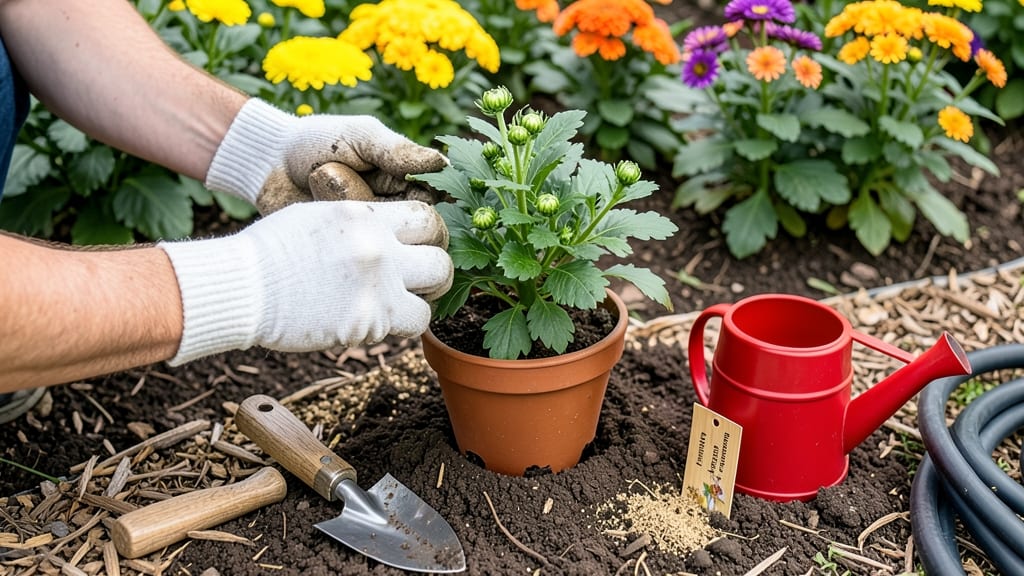
Timing when to plant fall mums in the ground right is the secret to vibrant blooms that steal the show all season. Plant them too early, and you risk weak growth or early frost damage. Too late, and they won’t have time to establish roots before winter sets in.
If you’re in USDA Zone 6a (like much of the Midwest), aim for 4-6 weeks before your first frost—typically late August to early September. This window gives your 🌼 the perfect balance of warm soil and cooling temperatures to thrive.
But timing isn’t one-size-fits-all. Whether you’re in a cooler Pacific Northwest region or a warmer Southern state, local frost dates dictate the ideal schedule. I’ll break down exactly how to adjust for your climate so your mums bloom bigger and brighter.
Ready to transform your garden into a fall masterpiece? Let’s dive into the zone-specific planting calendar and pro tips to keep your mums looking their best until winter.
USDA Zone-specific planting weeks before first frost for fall mums
Timing is everything when planting fall mums—they need 4-6 weeks before the first frost to establish roots and bloom. Your USDA hardiness zone determines the exact window, with cooler zones requiring earlier planting.
For example, Zone 3 gardeners should plant 8-10 weeks before frost, while Zone 10 can wait until 2-4 weeks out. Local frost dates (check the National Weather Service) are your best guide.
Microclimates matter too. If your garden sits in a warmer microclimate (like near a south-facing wall), you can plant 1-2 weeks later than the general zone recommendation. Conversely, colder pockets (e.g., low-lying areas) may need earlier planting to avoid frost damage.
Always err on the side of caution—weak roots from late planting lead to poor blooms or wilted foliage.
Here’s a zone-by-zone breakdown of ideal planting weeks before first frost, tailored for ground planting:
| USDA Zone | Weeks Before Frost | Ideal Month | Notes |
|---|---|---|---|
| 3-4 | 8-10 weeks | Early to mid-August | Cold-hardy varieties like 'Hardy Bonanza' |
| 5-6 | 6-8 weeks | Late August | Classic varieties like 'Mammoth Yellow' |
| 7-8 | 4-6 weeks | Early September | Dwarf varieties for containers |
| 9-10 | 2-4 weeks | Late September | Heat-tolerant varieties like 'Pacifica' |
For Zone 6a (like much of the Midwest), aim for late August to early September—this gives mums 6-8 weeks to root before frost. If your area has unpredictable frost, monitor soil temperatures (ideal: 60-65°F). Use a soil thermometer to confirm—cool soil slows root growth, delaying blooms.
In coastal regions (e.g., Pacific Northwest), milder winters allow later planting (up to 3 weeks before frost). However, wind exposure can stress plants, so choose sheltered spots or use windbreaks.
In Southern states (Zones 8-10)**, plant as late as October, but prioritize drought-tolerant varieties like 'Dazzler' to handle hot, dry falls.
Pro tip: If you’re unsure about frost dates, use the "50% frost probability" date from the Old Farmer’s Almanac. Planting 2 weeks before this date ensures 90% success for blooms. For example, if the 50% frost date is October 20, plant by October 5.
Soil prep is just as critical as timing. Work in 2-3 inches of compost and a slow-release fertilizer (like 10-10-10) at planting. Well-draining soil prevents root rot, especially in heavy clay zones. Amend with perlite or sand if needed—waterlogged soil kills mums faster than frost.
After planting, mulch with 2-3 inches of straw to retain moisture and regulate soil temperature. In warmer zones, mulch also protects roots from heat stress. Avoid thick mulch layers (over 3 inches), which can suffocate roots and attract pests like slugs.
Watch for early signs of stress, like yellowing leaves or drooping stems, which signal overwatering or underwatering. Adjust your watering schedule—deep soaks every 5-7 days in full sun keep roots happy. In containers, water daily in hot weather to prevent drying out.
With the right timing and care, your fall mums will reward you with vibrant blooms from September through November. Start with your zone’s ideal window, adjust for microclimates, and your garden will be the neighborhood’s brightest spot this autumn!
USDA Zone-specific planting weeks before first frost for fall mums
Fall mums thrive when planted at the right time, but that window shifts dramatically depending on your USDA hardiness zone. Too early, and they’ll bolt or struggle in heat; too late, and frost will kill them before blooming.
The golden rule? Plant 4-6 weeks before your first frost date—this gives roots time to establish while temperatures stay mild.
For example, in Zone 6a (like Chicago or Denver), aim for mid-August to early September. But in Zone 9b (Southern California), you can plant as late as October—the key is soil temps above 60°F.
Let’s break down the exact weeks before frost for each zone to nail your timing.
| Zone | Weeks Before Frost | Ideal Planting Month | Notes |
|---|---|---|---|
| 3-4 | 8-10 | Early July | Cool climates; use frost cloth if late blooms risk frost. |
| 5-6 | 6-8 | Late July-August | Classic "fall mum" zone; plant by Labor Day for best blooms. |
| 7-8 | 5-7 | Early-August | Hot summers; mulch to retain moisture. |
| 9-10 | 3-5 | Late August-September | Warm winters; plant closer to frost for late-season color. |
| 11 | 2-4 | September-October | Tropical zones; some varieties bloom year-round. |
Pro tip: Check your local frost dates (not just the USDA average) using tools like the National Weather Service or Old Farmer’s Almanac. Microclimates—like urban heat islands or hilltops—can shift your ideal window by 1-2 weeks.
For example, a southern exposure might let you plant 1 week later than the table suggests.
If you’re in a transition zone (like Zone 7b), split the difference: plant half your mums 7 weeks before frost for early blooms and half 5 weeks out for a longer display.
This strategy works especially well for mixed-color gardens, where early bloomers (like ‘Coca-Cola’) fade into late-season shades (like ‘Pink Champagne’).
Remember, soil temperature matters more than air temp. Use a soil thermometer to confirm it’s above 60°F—cold soil delays root growth. If your ground is still chilly, hold off until it warms up, even if the calendar says it’s time. Patience here pays off with healthier, longer-lasting blooms.
Once planted, mulch heavily (3-4 inches of straw or shredded leaves) to insulate roots and keep soil temps stable. This is especially critical in Zone 5 or colder, where nights can dip below freezing even after planting.
A little extra insulation means your mums will survive light frosts and keep flowering until winter.