
Plants
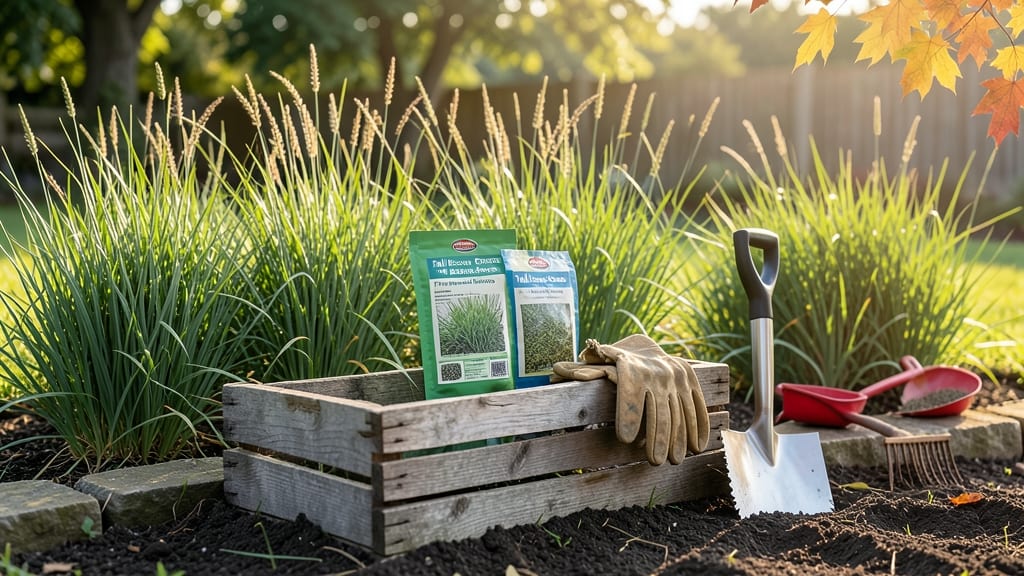
Timing your fescue planting in Kansas isn’t just about avoiding frost—it’s about catching the sweet spot when soil temps and moisture align for deep root growth. Skip the guesswork, and you could end up with a lawn that struggles through Kansas’ unpredictable swings from 5b to 7a zones.
I’ve seen firsthand how early fall (August-September) often outperforms spring for fescue in Kansas, thanks to cooler temps and fewer weeds. But get it wrong, and you’re fighting drought, heat stress, or even frost heave before roots take hold.
What if I told you the perfect window depends on more than just calendar dates? We’re talking soil thermometers, rainfall trends, and even your yard’s elevation—factors most gardeners overlook. Let’s break down exactly when to plant for your specific corner of Kansas.
Whether you’re seeding a new lawn or overseeding an existing one, these insights will help you avoid common mistakes and set your fescue up for success. Ready to transform your yard from patchy to picture-perfect?
Kansas frost-free deadlines for fescue planting by Zone 6-7
Kansas’ Zone 6-7 climate creates a narrow window for planting fescue grass—too early, and frost heave damages seedlings; too late, and roots struggle to establish before winter.
The ideal planting window spans early fall (August-September) and early spring (March-April), but exact dates depend on your region’s first/last frost averages and soil temperature thresholds.
For Wichita (Zone 7a), aim to plant August 15-September 15 in fall or March 20-April 10 in spring. In Kansas City (Zone 6a), shift your timeline 1-2 weeks earlier to avoid early frosts. Topeka (Zone 6b) gardeners should prioritize fall planting due to its cooler spring temperatures.
Here’s why timing matters: Fescue seeds need 55–65°F soil temperatures to germinate. Soil warms faster in south-facing slopes (plant 1-2 weeks earlier) but cools quicker in low-lying areas (delay planting by 1 week). Use a soil thermometer to confirm readiness—60°F+ for 3+ weeks is your green light.
Fall planting is preferred in Kansas because cooler temps reduce weed competition and drought stress. Seeds sown in late August have 6-8 weeks of warm soil to establish roots before winter dormancy. Spring planting, however, risks summer heat stress if seeds aren’t watered consistently.
Tall fescue (common in Kansas lawns) germinates faster than fine fescue, so adjust your schedule: Tall fescue can handle late August plantings, while fine fescue thrives with September sowing. Both varieties benefit from overseeding in fall to fill thin patches.
Kansas’ first frost dates vary by 5–10 days across the state. Use these regional averages as guides:
- Wichita: First frost November 5
- Kansas City: First frost November 1
- Topeka: First frost October 31
Plant 4–6 weeks before your local first frost to ensure root establishment.
Pro tip: Test your soil’s moisture before planting—Kansas’ clay-heavy soils retain water but can become waterlogged after heavy rains. Aim for moist but not soggy conditions. If your soil feels dry 2 inches deep, water 1–2 days before sowing seeds to kickstart germination.
For drought-prone areas (common in western Kansas), fall planting is non-negotiable. Seeds sown in September tap into autumn rainfall and establish deeper roots before summer heat arrives. In eastern Kansas, where humidity is higher, spring planting can work if you’re vigilant about weekly watering.
Remember: Fescue’s root system takes 4–6 weeks to establish. Planting too close to frost (within 3 weeks) means roots won’t mature enough to survive winter. Use mulch (straw or pine needles) to insulate seeds and retain moisture during critical growth phases.
5 Critical factors that determine your exact planting date in Kansas
Kansas’ frost-free deadlines are just the starting point. The real magic happens when you factor in soil temperature, rainfall patterns, and even your yard’s elevation.
For example, Wichita’s clay-heavy soils warm up slower than Topeka’s loamy patches—meaning your planting window might shift by weeks depending on where you live.
I always check for soil temps above 55°F for at least 3 weeks before planting. This ensures seeds germinate consistently without drying out. Use a soil thermometer ($15 at garden centers) to avoid guessing—overwatering or planting too early can suffocate seeds in Kansas’ unpredictable spring rains.
Another game-changer? Rainfall timing. Kansas averages 30-35 inches annually, but droughts hit hard in late summer. If your area gets less than 1 inch of rain per week in August, delay planting until September when moisture returns.
Check the National Weather Service’s 30-day forecast for your county before seeding.
🌱 Critical Planting Factors in Kansas
- Soil Temperature: 55°F+ for 3+ weeks (use a thermometer)
- Rainfall: 1+ inch weekly (check NWS forecasts)
- Elevation: Higher zones (e.g., Hays) cool faster—plant 2 weeks earlier
- Soil Type: Clay soils (common in Wichita) need aeration before seeding
- Frost Risk: First frost averages Nov 1, but can hit Oct 15 in higher elevations
Don’t overlook elevation effects. If you’re above 1,500 feet (like in Salina or Hays), nights cool faster, so plant 2 weeks earlier than lower areas.
I once saw a fine fescue lawn in Manhattan thrive when planted in late August, while a neighbor in Kansas City struggled with the same variety seeded in mid-September.
For drought-prone areas (like western Kansas), I recommend pre-watering the soil 2-3 days before seeding. This creates a moisture reservoir that helps seeds bypass Kansas’ hot, dry winds. Pro tip: Water at dawn to reduce evaporation—this simple shift can double your germination rate.
Finally, test your soil pH (ideal: 6.0-7.0 for fescue). Kansas’ native soils often skew alkaline, which stunts root growth. Amend with sulfur or peat moss if needed, and plant when soil microbes are most active—typically early fall when temps hover around 60-70°F.