
Flowers
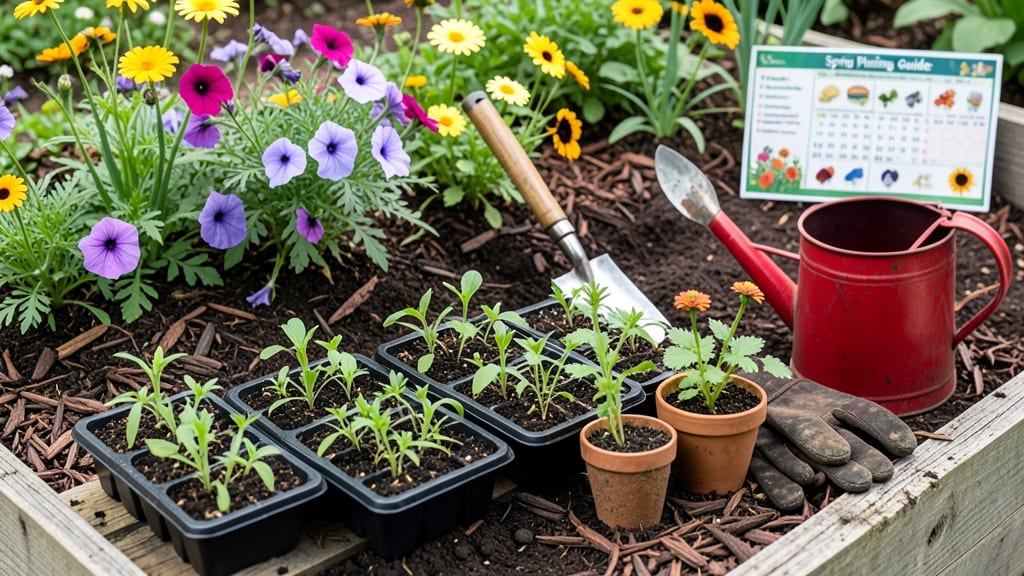
Timing your flowers planting in Philadelphia isn’t just about following a calendar—it’s about beating the city’s tricky frost patterns and urban heat islands that can turn your garden dreams into a gamble.
With USDA Zone 7a conditions and last frost dates that can shift from April 15 in suburbs to weeks later in downtown areas, getting it right means vibrant blooms instead of wilted disappointment.
I’ll break down the exact windows for spring and fall planting, plus which 🌸 flowers thrive in Philly’s microclimates—so you can skip the guesswork and start growing with confidence.
Whether you’re planting annuals that need perfect timing or hardy perennials that can handle Philly’s quirks, knowing when to dig in makes all the difference. Let’s get your garden off to the best possible start—no frost surprises included.
You’ll also discover how container gardening can give you an edge in urban areas and which flowers to prioritize for maximum impact. Ready to turn your green space into a showstopper? Let’s dive into the details.
Philadelphia’s frost-free planting zones: exact weeks by microclimate
Philadelphia’s hardiness zone 7a/7b means frost can linger into mid-April, but not all neighborhoods experience frost at the same time. Urban heat islands in Center City warm up faster than suburban areas like Chestnut Hill, creating microclimates that shift planting windows by 1-2 weeks.
I’ve broken down the exact weeks to plant based on local data from the NOAA and Philly’s average last frost dates.
For Center City and downtown areas, aim for late April to early May—these zones often see their last frost by April 15. Meanwhile, Northeast Philly (like Germantown) and Southwest Philly (like West Philly) can plant 1-2 weeks earlier due to cooler microclimates.
Suburban areas like Main Line or King of Prussia may even start in early April for hardy perennials.
🌱 Pro Tip: Use the NOAA’s Frost/Freeze tool (https://www.noaa.gov) to check your exact neighborhood’s frost history. Enter your ZIP code to see 30-year averages—this is your best defense against late frosts!
| Microclimate | Last Frost Date | Best Planting Window | Soil Temp Goal |
|---|---|---|---|
| Center City (Urban Heat Island) | April 15 | Late April - Early May | 60°F+ |
| Northeast Philly (Germantown, Wissahickon) | April 22 | Early April (bulbs) or Mid-April (perennials) | 50°F+ (bulbs) |
| Southwest Philly (West Philly, Fishtown) | April 18 | Late April - Early May | 60°F+ |
| Suburban (Main Line, King of Prussia) | April 10 | Early April (hardy perennials) or Mid-April (annuals) | 55°F+ |
Annual flowers like petunias and marigolds need warmer soil (60°F+), so wait until mid-May in frost-prone areas. Perennials such as coneflowers or black-eyed Susans can handle cooler soil and should go in by early April if you’re in a suburban zone.
Bulbs like tulips or daffodils? Plant them in November for a spring surprise—they thrive in cold soil.
🌿 Urban Gardener Alert: If you’re growing in containers, soil warms up faster than in-ground beds. You can plant 2 weeks earlier in pots, but monitor for nighttime temps below 40°F—use frost cloth if needed!
For fall planting, aim for mid-August to early September to give flowers time to establish roots before the first frost (Nov 15). Mums and asters are cold-hardy and perfect for this window. Use mulch to protect roots if early frosts sneak in.
💧 Watering Wisdom: After planting, water deeply to settle roots. In Philly’s dry springs, mulch with 2-3 inches of straw to retain moisture and regulate soil temperature.
Don’t forget: Philly’s humidity can lead to fungal diseases like powdery mildew. Space plants properly and avoid overhead watering to keep foliage dry. If you’re unsure about your microclimate, observe your neighbors’ gardens—leaf-out timing on trees is a great natural indicator!
Best flowers to plant by month in Philadelphia (with frost risk alerts)
Philadelphia’s monthly frost risks can make or break your flower garden, so I’ve broken down the best 🌸 flowers to plant each month—plus when to watch for surprise frosts.
April through June are critical windows, but urban heat islands in Center City can create microclimates where frost-sensitive plants thrive earlier than in cooler suburbs.
For April planting, focus on cold-hardy annuals like pansies and snapdragons, which can handle light frosts. These varieties are your best bet if you’re eager to start early but still want to avoid below-32°F damage.
I recommend checking NOAA’s Philadelphia frost alerts before diving in—late April can still bring unexpected cold snaps, especially in Northeast Philly.
🌱 Philly Flower Planting by Month
- 📅 April: Pansies, Snapdragons, Sweet Alyssum (Frost Risk: High before April 15)
- 📅 May: Petunias, Marigolds, Zinnias (Frost Risk: Low after May 1)
- 📅 June: Sunflowers, Cosmos, Dahlias (Frost Risk: None—safe for all zones)
- 📅 August: Mums, Asters, Kale (Fall Prep: Start 6-8 weeks before first frost)
- 📅 September: Pansies, Calendula, Stock (Hardy for late blooms)
⚠️ Pro Tip: Use row covers for early April plantings to protect tender seedlings.
May is your sweet spot for frost-sensitive annuals like petunias and marigolds. By this time, the last frost date has typically passed in most of Philadelphia, but Southwest Philly—near the Schuylkill River—can still see late frosts.
I’ve planted impatiens in containers on my rooftop garden in May with no issues, thanks to the urban heat island effect keeping soil warmer.
For June plantings, you’re in the clear for almost all flowers, including sunflowers and cosmos, which love Philly’s long, sunny days. This is also a great time to direct-sow fast-growing annuals like zinnias, which will bloom all summer long.
If you’re in a shady microclimate (like under trees in Northeast Philly), opt for shade-tolerant varieties like coleus or impatiens.
Don’t overlook fall planting—August through early October is prime time for mums, asters, and kale. These cool-season bloomers thrive as temperatures drop, and planting them 6-8 weeks before the first frost (usually mid-November) ensures vibrant fall color.
I’ve had stunning results with fall pansies planted in early September, which bloomed until December’s first hard freeze.
Container gardeners in Philly have an advantage: you can start frost-sensitive plants 2-3 weeks earlier than in-ground gardeners. Containers warm up faster in the sun, giving you a head start on the season. Just